
How Winter Freeze–Thaw Cycles Damage Asphalt Driveways
How Winter Freeze–Thaw Cycles Damage Asphalt Driveways
Winter weather affects more than just daily routines. For homeowners, repeated freeze–thaw cycles can quietly take a toll on asphalt surfaces, especially residential driveways. Temperature swings cause moisture to expand and contract beneath the pavement, leading to damage that often becomes visible once spring arrives. CM Ayres works with property owners who want to understand why winter conditions are so hard on asphalt and when early attention can help prevent larger repairs.
Knowing how asphalt driveway repair needs develop during colder months allows homeowners to plan more effectively. Freeze–thaw damage rarely happens all at once, but it compounds quickly.
What Freeze–Thaw Cycles Do Beneath the Surface
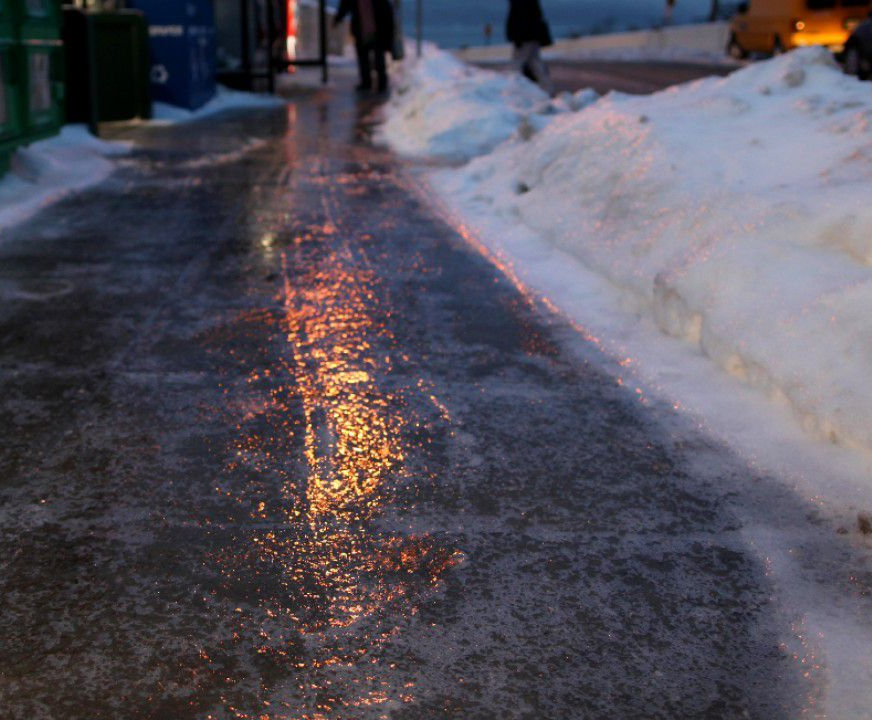
Asphalt is flexible by design, but winter challenges that flexibility. When water seeps into small cracks and freezes, it expands, pushing the surrounding material outward. As temperatures rise, the ice melts, leaving space behind. Repeated cycles weaken the pavement structure over time.
An experienced asphalt company understands that most winter damage begins below the visible surface, long before cracks appear. This constant movement slowly compromises structural integrity.
Why Residential Driveways Are Especially Vulnerable
A residential driveway experiences frequent weight changes from vehicles, snow accumulation, and plowing. During winter, these stresses are layered on top of freeze–thaw movement. Driveways often have thinner asphalt than roadways, making them more susceptible to cracking and surface fatigue.
What may look like minor wear in winter often becomes more pronounced once warmer temperatures return. Early awareness helps homeowners avoid surprise repairs.
Cracks Allow Water to Accelerate Damage
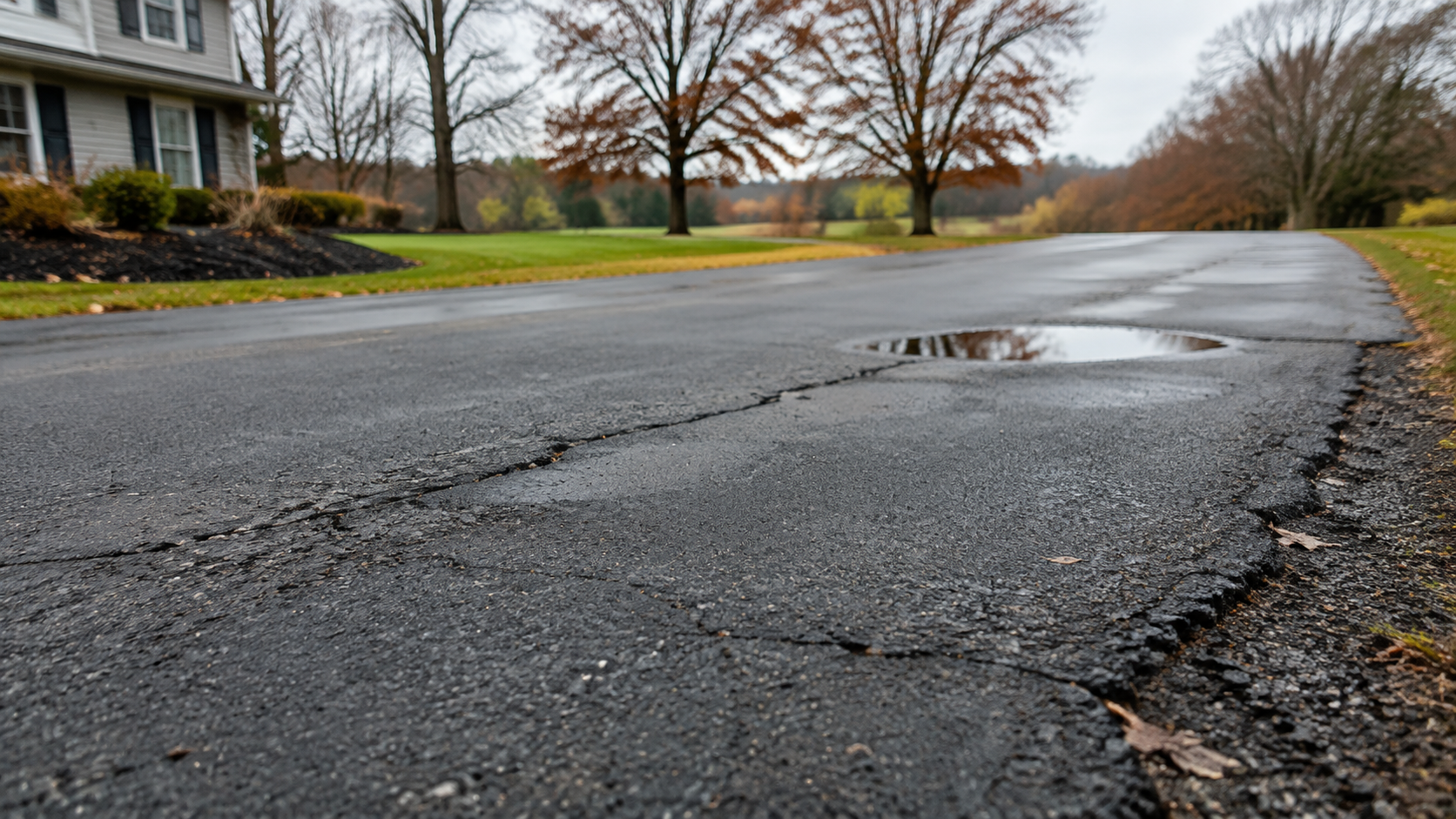
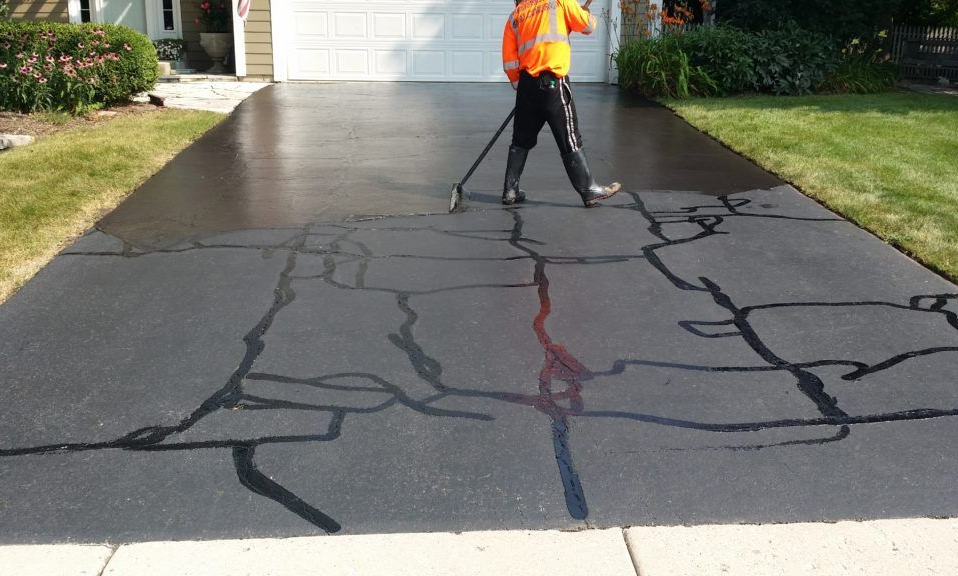
Small cracks are one of the first visible signs of freeze–thaw stress. Once cracks form, they allow even more moisture to penetrate the pavement. Each freeze cycle widens these openings, accelerating deterioration.
Over time, cracks can spread and connect, creating uneven surfaces that require driveway repair rather than simple surface treatments. Moisture intrusion is one of the most damaging winter factors.
Potholes Often Begin During Winter
Many potholes that appear in spring actually begin forming during winter. As water freezes beneath weakened asphalt, it displaces material and creates voids. When traffic passes over these areas, the surface collapses. Homeowners are often surprised by how quickly potholes develop, but freeze–thaw cycles are usually the root cause.
An experienced asphalt paving company can identify early warning signs before surface failure occurs. Winter damage often reveals itself all at once.
How Sealcoating Helps Protect Asphalt
Preventative maintenance plays a major role in winter performance. Asphalt sealcoating creates a protective barrier that limits moisture penetration and reduces surface oxidation. While sealcoating does not stop freeze–thaw cycles, it significantly reduces the amount of water that reaches vulnerable layers. Driveways that are properly sealed tend to handle winter stress more effectively than unprotected surfaces.
Drainage Issues Make Winter Damage Worse
Standing water near driveways increases the likelihood of freeze–thaw damage. Poor drainage allows moisture to pool along edges or low spots, where freezing temperatures do the most harm. Addressing grading and water flow helps reduce stress on the pavement.
Many homeowners consult an asphalt company when recurring winter damage suggests drainage issues rather than surface wear alone. Water management is closely tied to pavement health.
When Homeowners Begin Looking for Professional Help
As winter damage becomes visible, homeowners often begin researching asphalt companies near me to assess repair options. These searches are typically driven by concern over expanding cracks, uneven surfaces, or emerging potholes. Working with a knowledgeable contractor helps homeowners understand whether repairs are needed immediately or if preventative steps can still be taken.
Why Winter Damage Shouldn’t Be Ignored
Ignoring freeze–thaw damage allows moisture intrusion and structural weakening to continue unchecked. What begins as surface cracking can eventually compromise the entire driveway base.
Addressing issues early through asphalt maintenance reduces long-term costs and helps preserve the driveway’s appearance and functionality. Small repairs often prevent major reconstruction.
Planning Ahead for Spring Repairs
While many repairs are scheduled during warmer months, winter is when planning begins. Evaluating damage early allows homeowners to prioritize repairs once conditions allow. Understanding how winter driveway damage develops helps set realistic expectations and avoids rushed decisions later. Preperation leads to better results.
Protecting Driveways Through Seasonal Awareness
Freeze–thaw cycles are unavoidable, but their impact can be managed. Awareness, preventative maintenance, and timely evaluation all help extend the life of asphalt surfaces.
Contact CM Ayrestoday to learn how freeze–thaw cycles affect asphalt driveways and explore repair and maintenance options that support long-term performance.