Site Prep 101: What to Expect During Your Residential Excavation Project
What to Expect During Your Residential Excavation Project
Before any home addition, new build, drainage improvement, or outdoor upgrade can begin, the ground itself must be properly prepared. Residential excavation involves far more than simply digging. It requires planning, equipment, soil management, safety measures, and precise grading to ensure the project starts on solid footing. Homeowners across Maryland trust CM Ayres Enterprises because the company understands how important this phase is for long term performance and durability.
Site preparation lays the foundation for everything that comes next. When done correctly, it prevents future settling, drainage problems, and structural issues. When rushed or handled incorrectly, it can lead to costly repairs later. Knowing what to expect helps you feel confident at every stage of the process.
Below is a clear breakdown of what typically happens during a residential excavation project.
1. The Initial Site Evaluation
Every project begins with a thorough evaluation of your property. The excavation team assesses soil conditions, slopes, access points, underground utilities, and the specific area being developed. A professional team experienced in residential excavation will take measurements, study the layout of nearby structures, and identify any challenges that need to be addressed before equipment arrives.
This stage is essential. It determines how the site will be approached, what equipment is required, and how earth movement will be managed safely and efficiently.
2. Planning for Site Preparation and Layout
Once the evaluation is complete, the next step involves marking and outlining the work area. This sets exact boundaries for excavation and ensures the project stays aligned with the overall design.
During this stage, a knowledgeable crew prepares the plan for site preparation. This includes clearing the area, establishing safe work zones, and identifying which materials need to be removed or relocated. Stakes, markers, or layout lines are placed around the site so everyone involved has a clear visual guide.
3. Clearing the Land Before Excavation
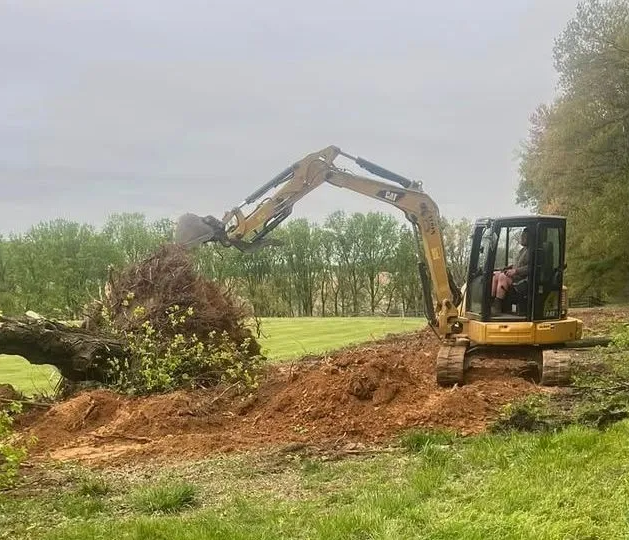
Before digging begins, the site must be cleared. This may involve removing brush, old roots, outdated landscaping, rocks, small structures, or debris. Clearing creates a safe environment for heavy machinery and sets the stage for precise grading.
This step is especially important for homeowners who have not updated their property in years. Clearing removes obstacles and gives the excavation crew a clean area to work with.
4. Beginning the Excavation Process
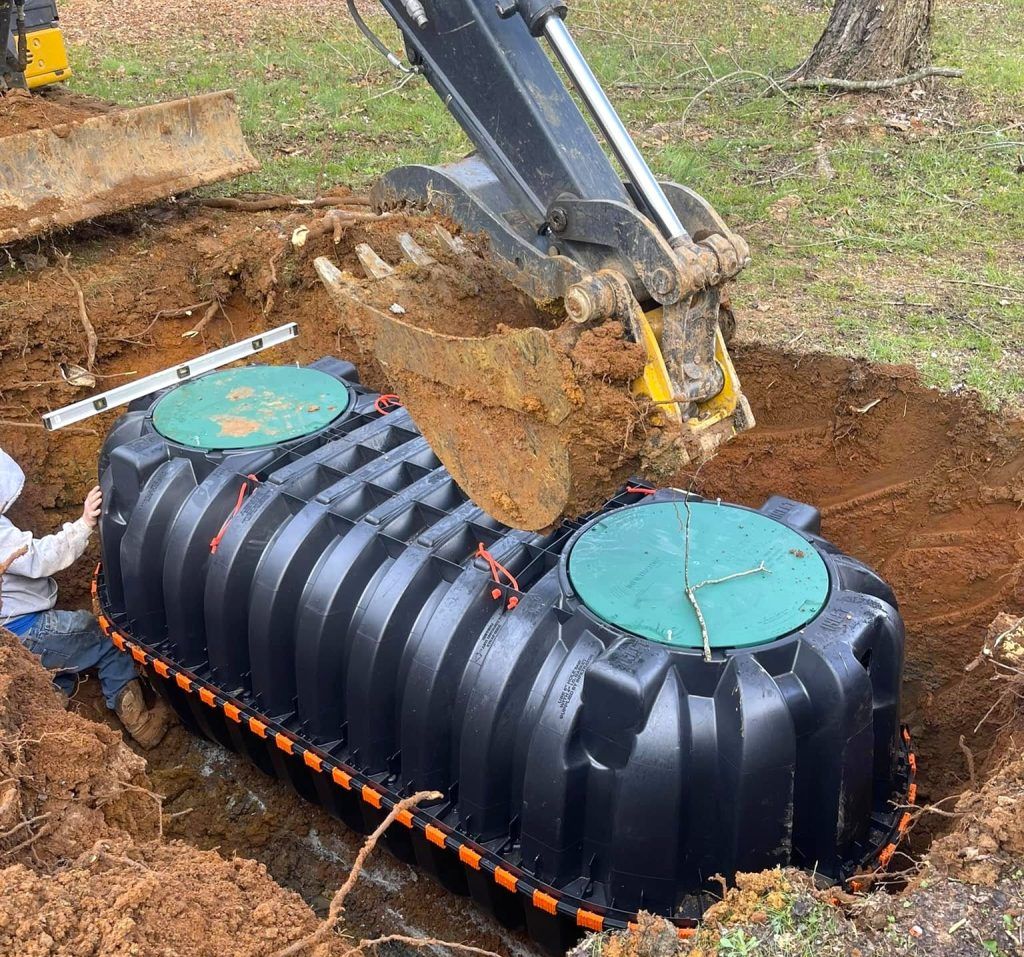
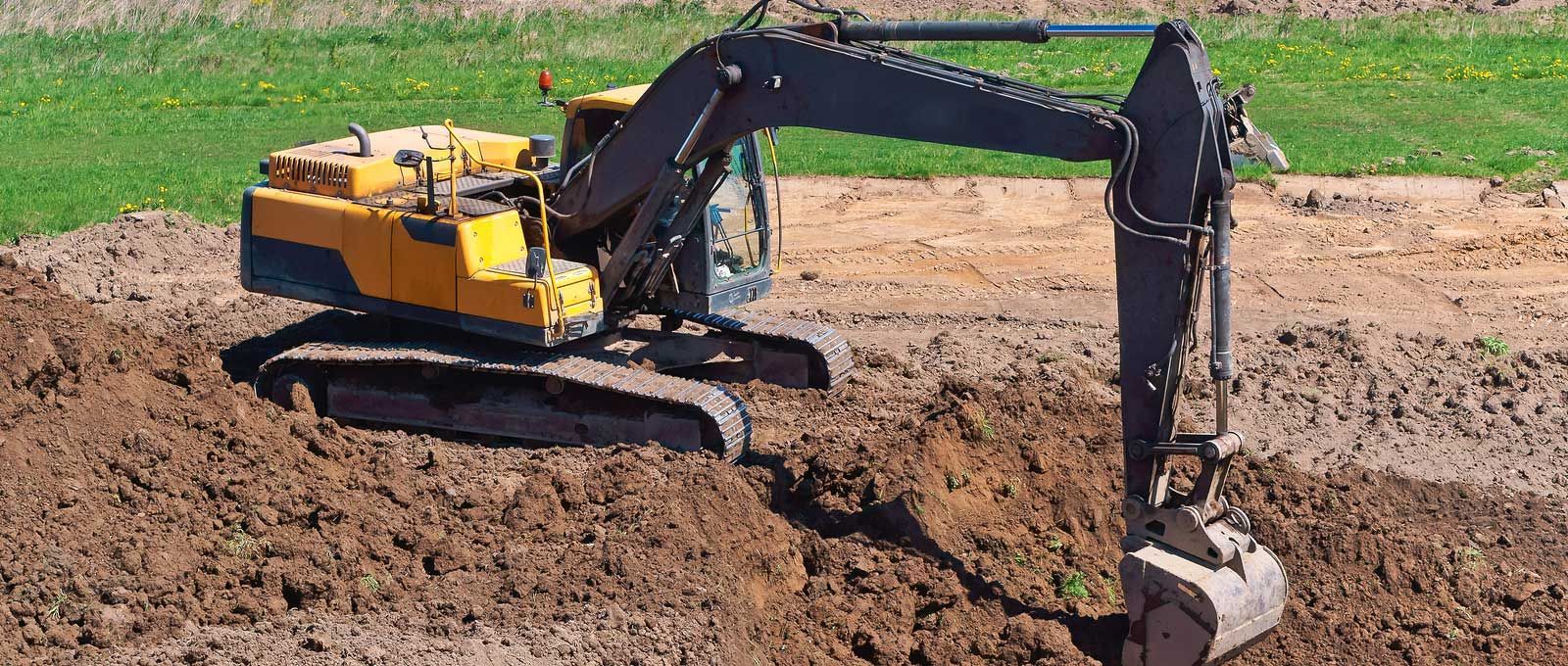
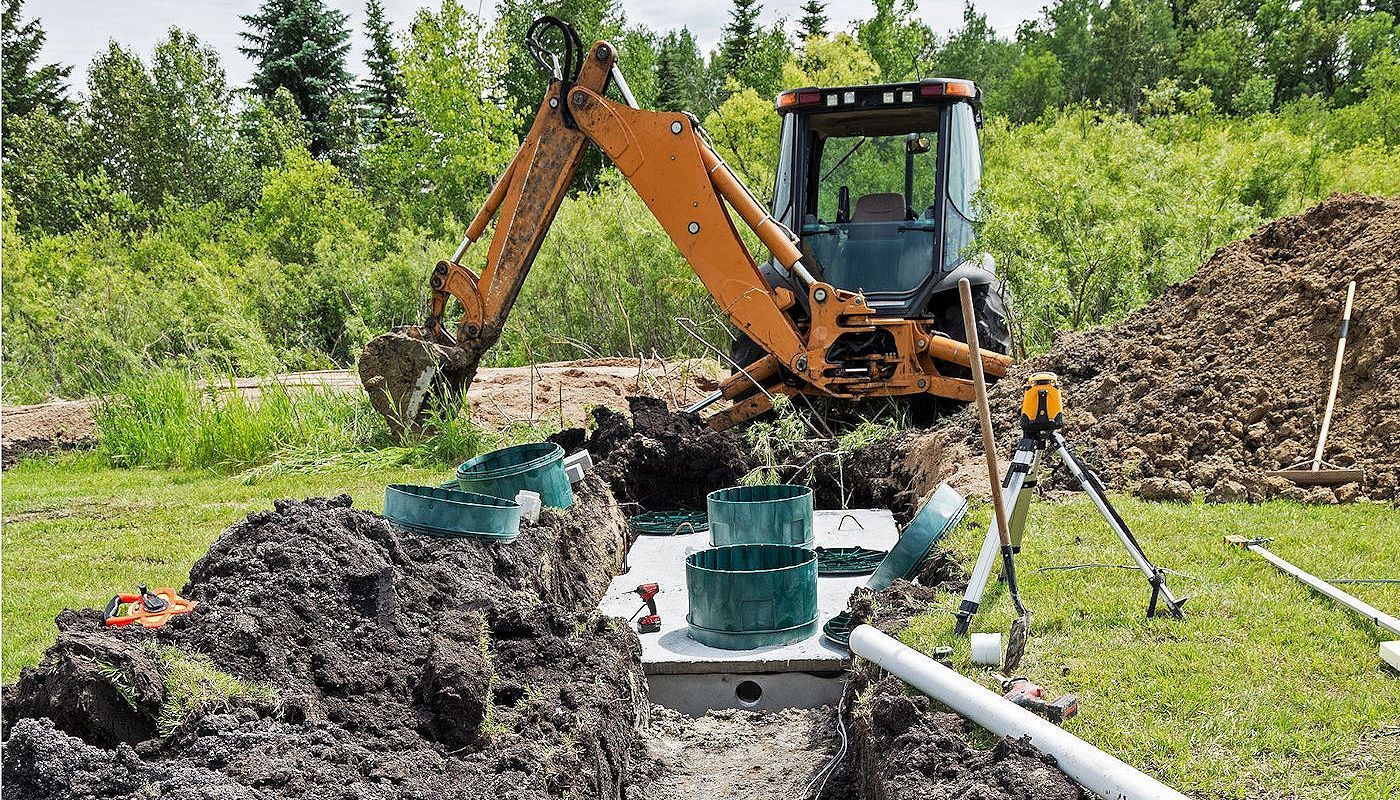
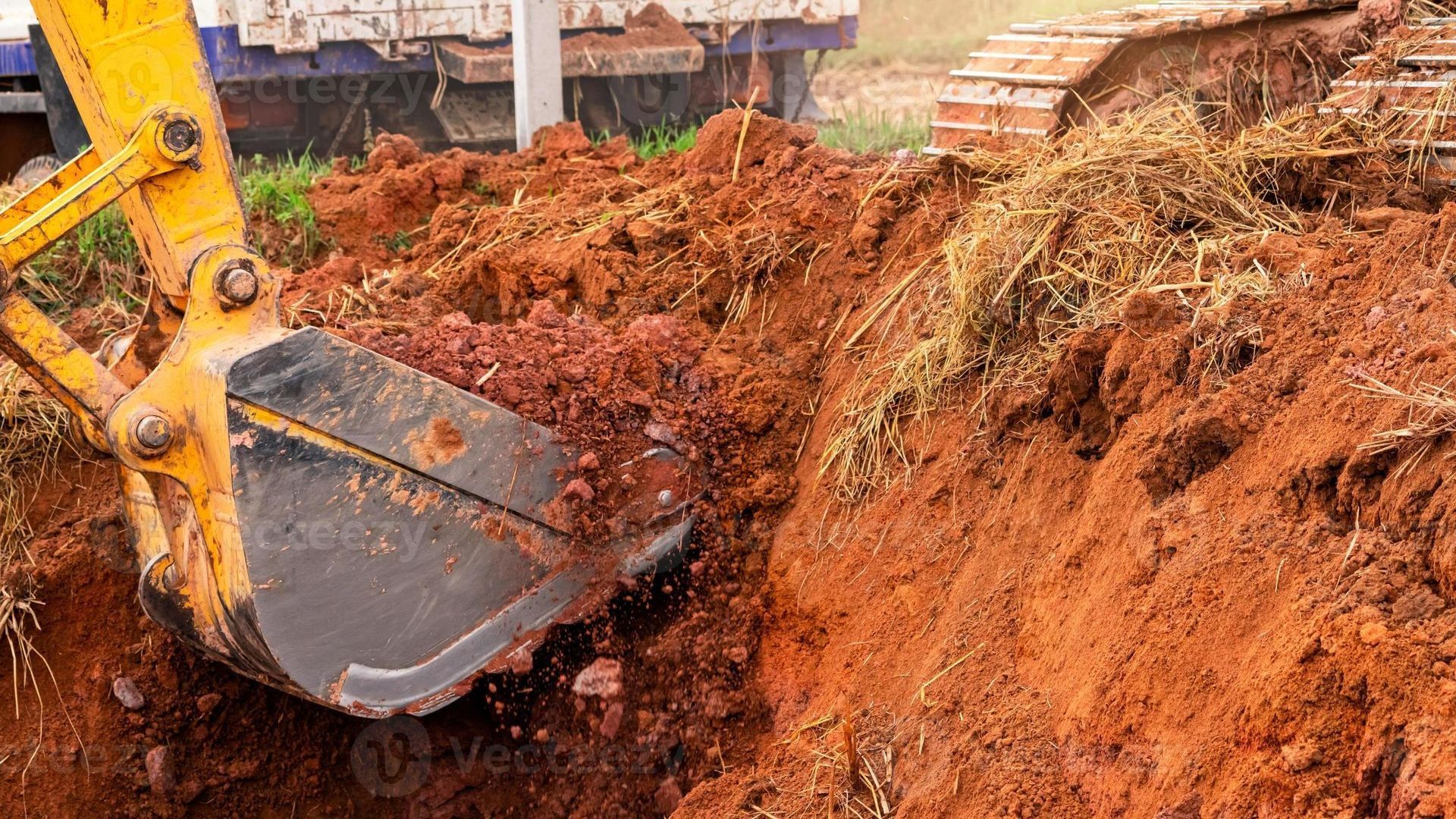
This is the part of the project most homeowners picture when they think of working with excavation companies. Machinery begins digging according to the exact depth and width outlined in the plans. The soil is removed, stored, or relocated based on future needs. For foundations, trenches, pools, additions, and major structures, accuracy is essential.
A skilled team monitors soil conditions throughout the process to adjust methods as needed. This prevents unnecessary disturbance and ensures the excavation supports the next phase of construction.
During this stage, homeowners often begin searching for excavation companies near me if they need additional services that may not have been part of the initial plan.
5. Utility Trenching and Underground Infrastructure
Many residential projects require trenching for utilities such as water lines, electrical service, or drainage systems. Professional teams performing utility trenching take great care to respect local codes, depth requirements, and safety standards.
Proper trenching ensures utilities are protected from damage and placed in a way that supports future access. When installed correctly, these underground components remain stable and secure for decades.
6. Addressing Drainage and Water Flow
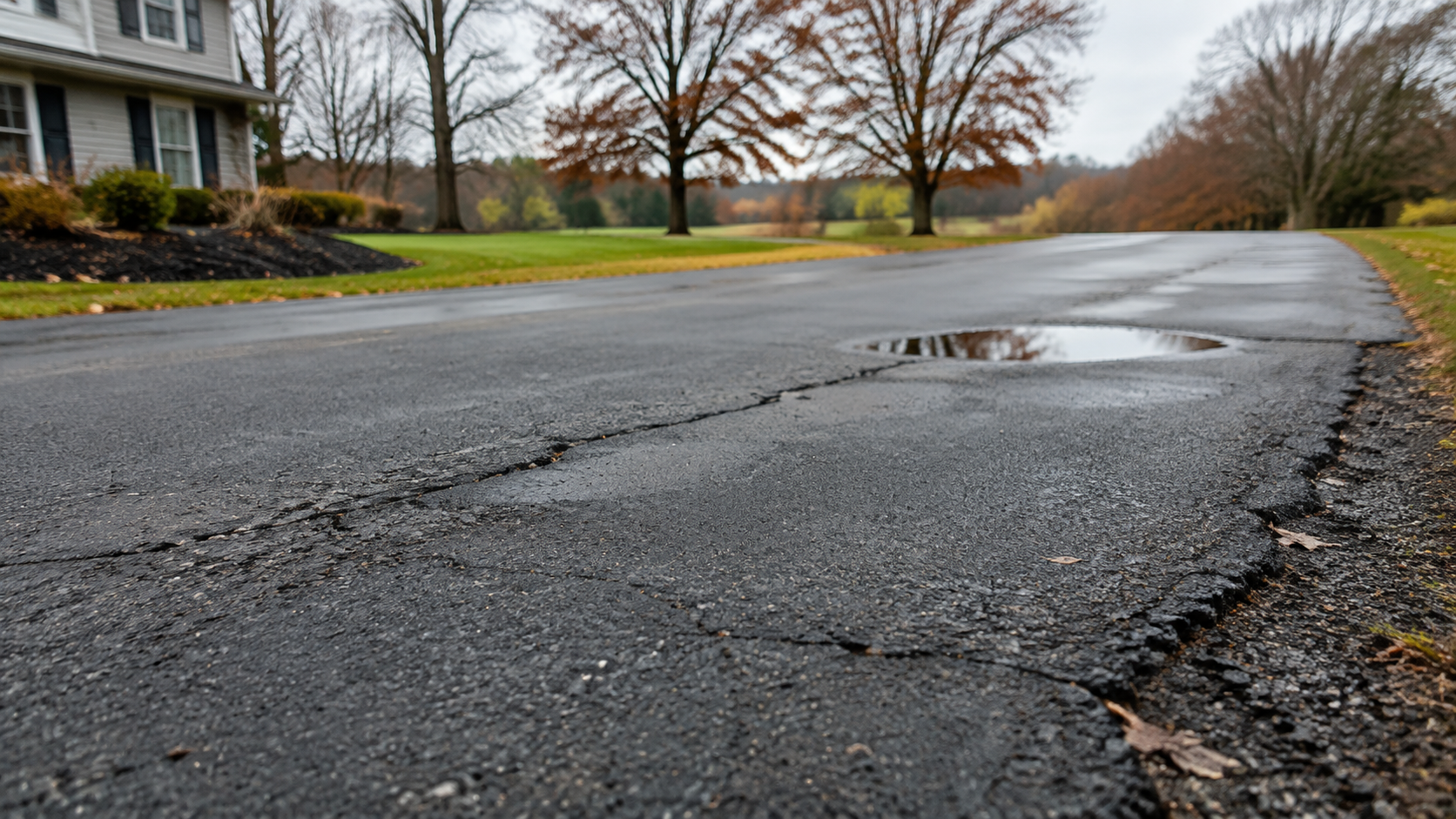
Good drainage determines the long term success of every outdoor structure, and poor drainage is one of the most common reasons homeowners need repairs later. A residential excavation project often includes the installation of drainage solutions that redirect water away from foundations, patios, and driveways.
This may include French drains, grading adjustments, swales, or other methods that move water efficiently. Controlled drainage protects your investment and keeps your home safer during heavy weather.
7. Land Grading for Stability and Structure
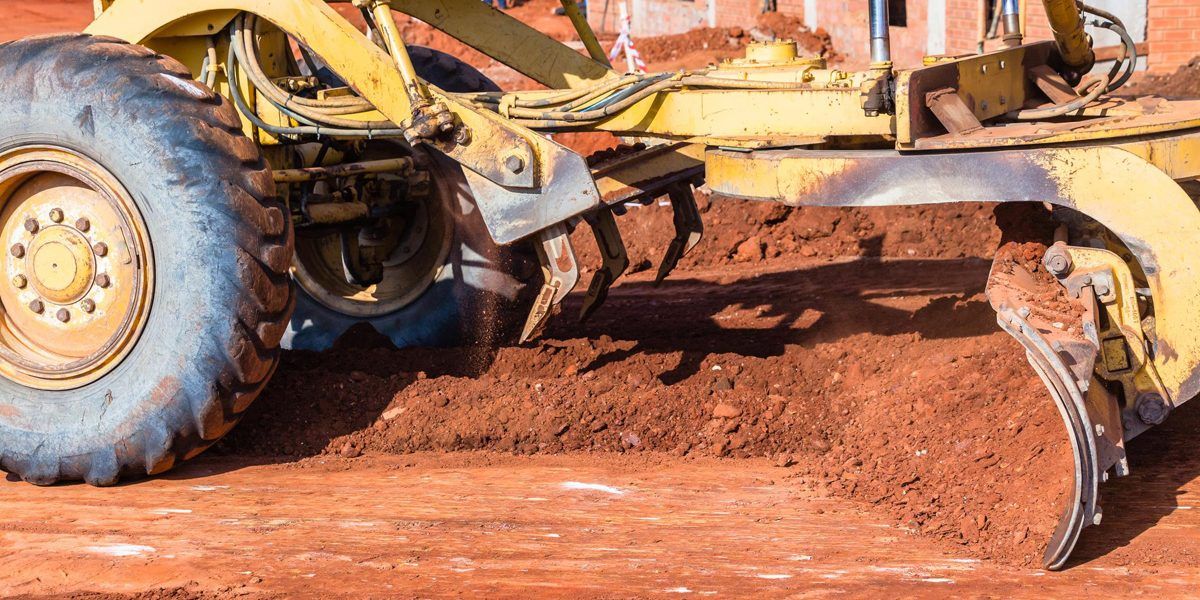
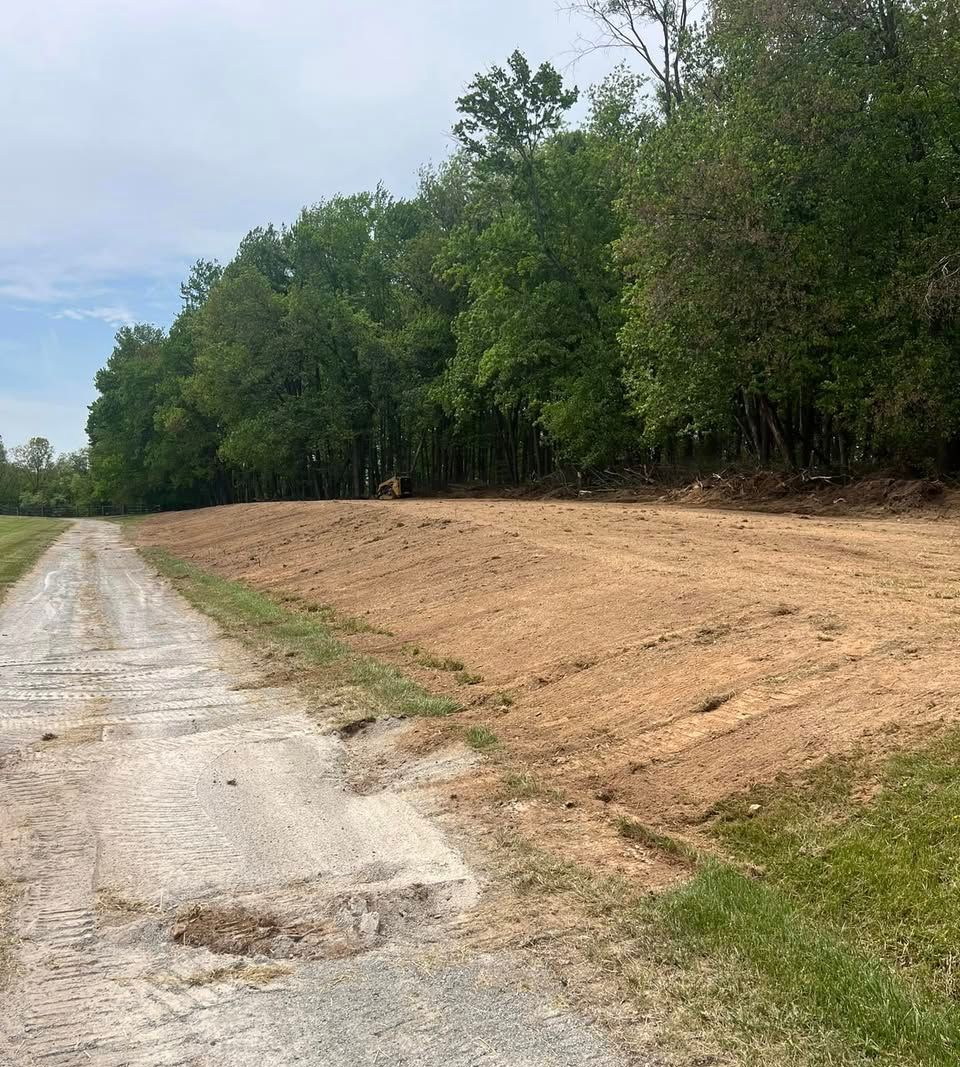
Once the necessary digging is completed, the next step is grading. Proper land grading creates smooth transitions across the property, ensures correct slope, and supports stable construction. Grading prevents water from pooling around structures and helps create a balanced, finished look.
This step also prepares the area for concrete, foundations, landscaping projects, or outdoor living installations. Without proper grading, surfaces may shift, settle unevenly, or drain poorly.
8. Final Checks and Project Preparation
Before construction continues, the excavation team performs a final round of checks. The area is inspected for stability, soil compaction, safety issues, or adjustments that need to be made before the next contractor arrives. A professional excavation company will verify that the site meets project specifications and is ready for the next phase.
This final confirmation ensures that the work above ground begins on a reliable and well prepared surface.
Why Experience Matters in Residential Excavation
Excavation might seem straightforward, but it requires experience, training, and the right equipment. Soil conditions can vary widely across Maryland, and unexpected challenges may appear once digging begins. Working with experienced professionals offering full excavation services removes uncertainty and gives you confidence that the job is being handled correctly from start to finish.
For many homeowners, hiring a Maryland excavation company ensures every stage of the project receives attention from a team that understands the climate, soil, and construction patterns of the region.
Prepare Your Property With Confidence
Contact CM Ayres today to begin preparing your site with expert excavation services that support long lasting and successful construction.