
How Often Should You Sealcoat Your Asphalt Driveway for Long Term Protection?
Why Sealcoating Matters for Maryland Asphalt Driveways
Asphalt driveways are built to handle daily use, but exposure to weather, sunlight, and moisture can cause them to wear down over time. Sealcoating is one of the most effective ways to protect the surface and extend its life. CM Ayres helps homeowners maintain their driveways through proper asphalt maintenance, ensuring long term durability and performance.
What Does Sealcoating Actually Do?
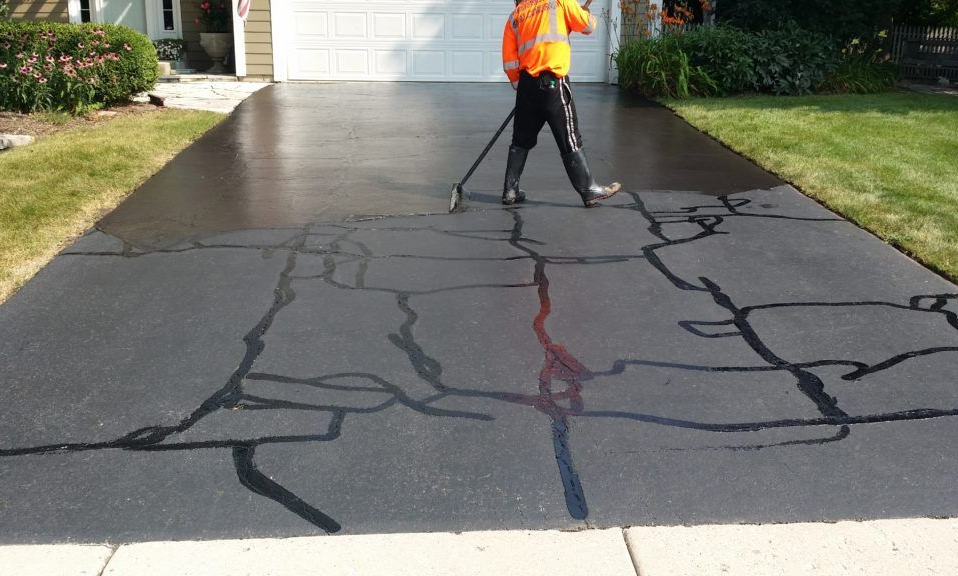
Sealcoating is a protective layer applied over asphalt to shield it from damage. It acts as a barrier against environmental elements that can break down the surface.
Key benefits of driveway protection through sealcoating include:
- Preventing water from penetrating the surface
- Reducing damage from UV exposure
- Protecting against oil and chemical spills
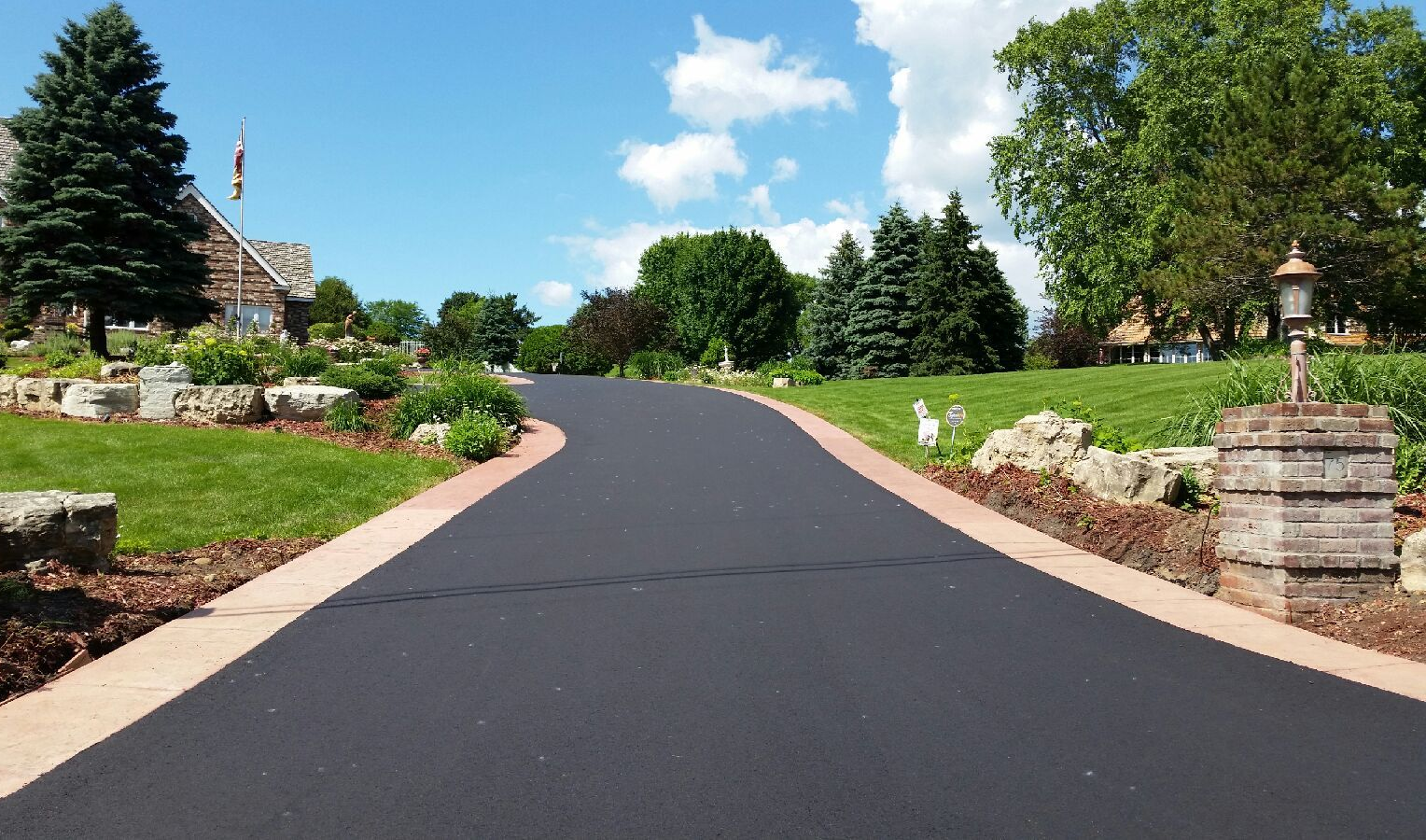
- Improving the overall appearance of the driveway
This process helps preserve both the function and look of your asphalt.
How Often Should You Sealcoat Your Driveway?
The general recommendation for sealcoating frequency is every 2 to 3 years. However, this can vary depending on how the driveway is used and the conditions it is exposed to.
Factors that affect timing include:
- Climate and seasonal weather changes
- Amount of traffic and vehicle weight
- Exposure to sunlight and moisture
- Overall condition of the asphalt
Regular evaluations help determine the right schedule for your specific driveway.
What Happens If You Wait Too Long?
Delaying sealcoating can lead to gradual deterioration of the asphalt surface. Without protection, the driveway becomes more vulnerable to damage.
Over time, this can result in:
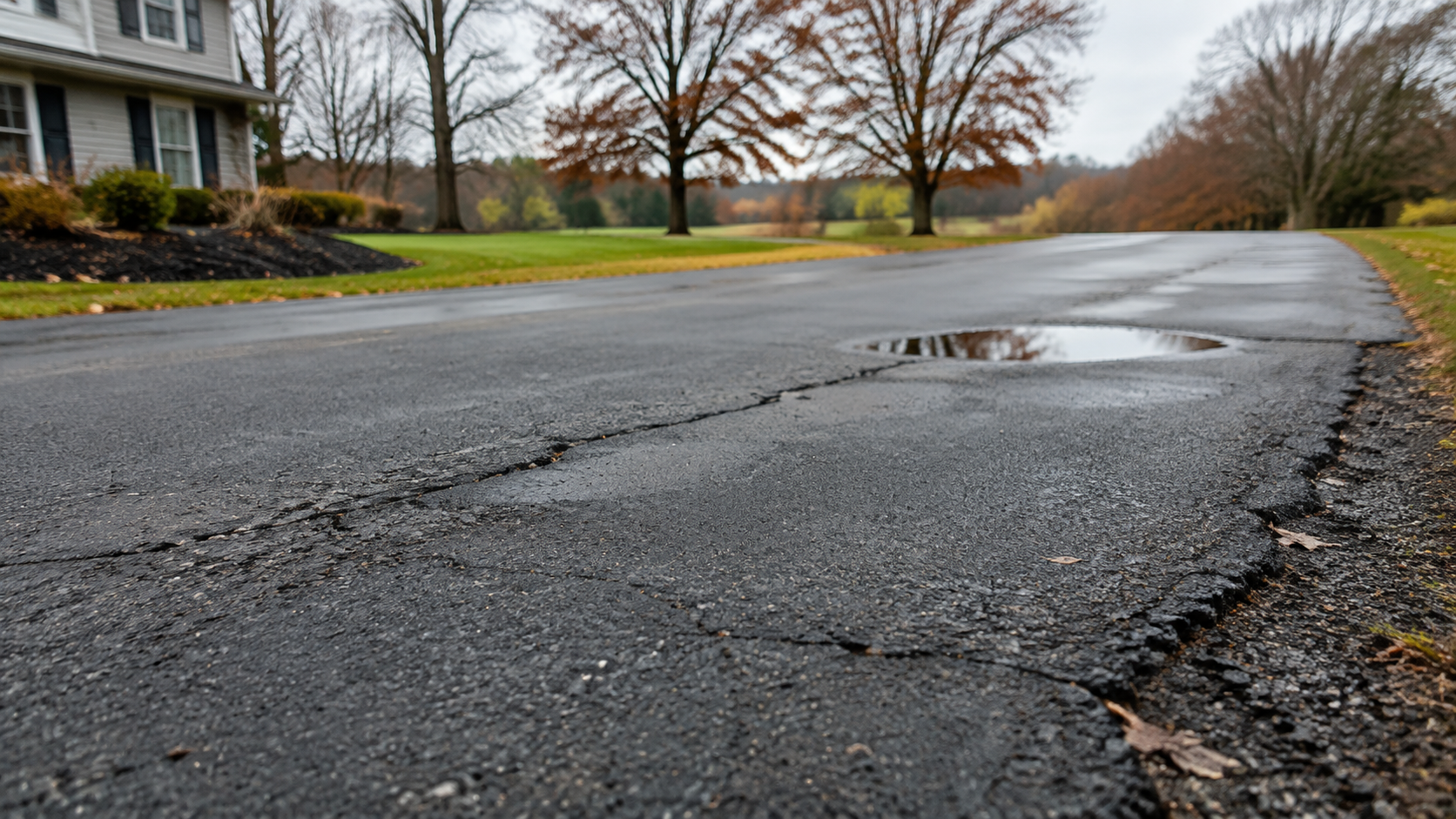
- Cracks forming and spreading
- Fading and surface wear
- Water seeping into the base
- Reduced asphalt lifespan
Once these issues develop, repairs may be needed before sealcoating can be applied.
How Soon Should You Sealcoat a New Driveway?
New asphalt driveways should not be sealcoated immediately. The surface needs time to cure and harden before applying a protective layer.
Typically, it is recommended to wait 6 to 12 months after installation This allows the asphalt to properly set and ensures the sealcoat adheres correctly.
Signs Your Driveway Needs Sealcoating
Instead of relying only on a schedule, homeowners should also look for visual signs that sealcoating is needed.
Common indicators include:
- Fading from deep black to gray
- Small cracks beginning to appear
- Rough or worn surface texture
- Water not beading on the surface
These signs suggest the protective layer has worn off and needs to be reapplied.
How Sealcoating Extends Asphalt Life
Sealcoating plays a major role in preserving the structural integrity of a driveway. By preventing water and UV damage, it slows down the aging process.
With proper asphalt maintenance, sealcoating can:
- Extend the life of the driveway
- Reduce the need for major repairs
- Maintain a smooth and durable surface
This makes it one of the most cost effective maintenance steps for homeowners.
When Do Homeowners Start Looking Into Sealcoating?
Many homeowners begin researching maintenance options after noticing fading or early cracking. It is common to search for paving companies near me when looking for professional sealcoating services. Working with an experienced contractor ensures the process is done correctly and at the right time.
Protecting Your Driveway for the Long Term
Sealcoating is a simple but essential step in maintaining your asphalt driveway. By following the right schedule and addressing issues early, homeowners can significantly extend the life of their pavement.
Contact CM Ayres today to schedule a driveway evaluation and take the next step in protecting your asphalt with professional sealcoating services.