Why Proper Excavation Is Critical Before Any Paving Project
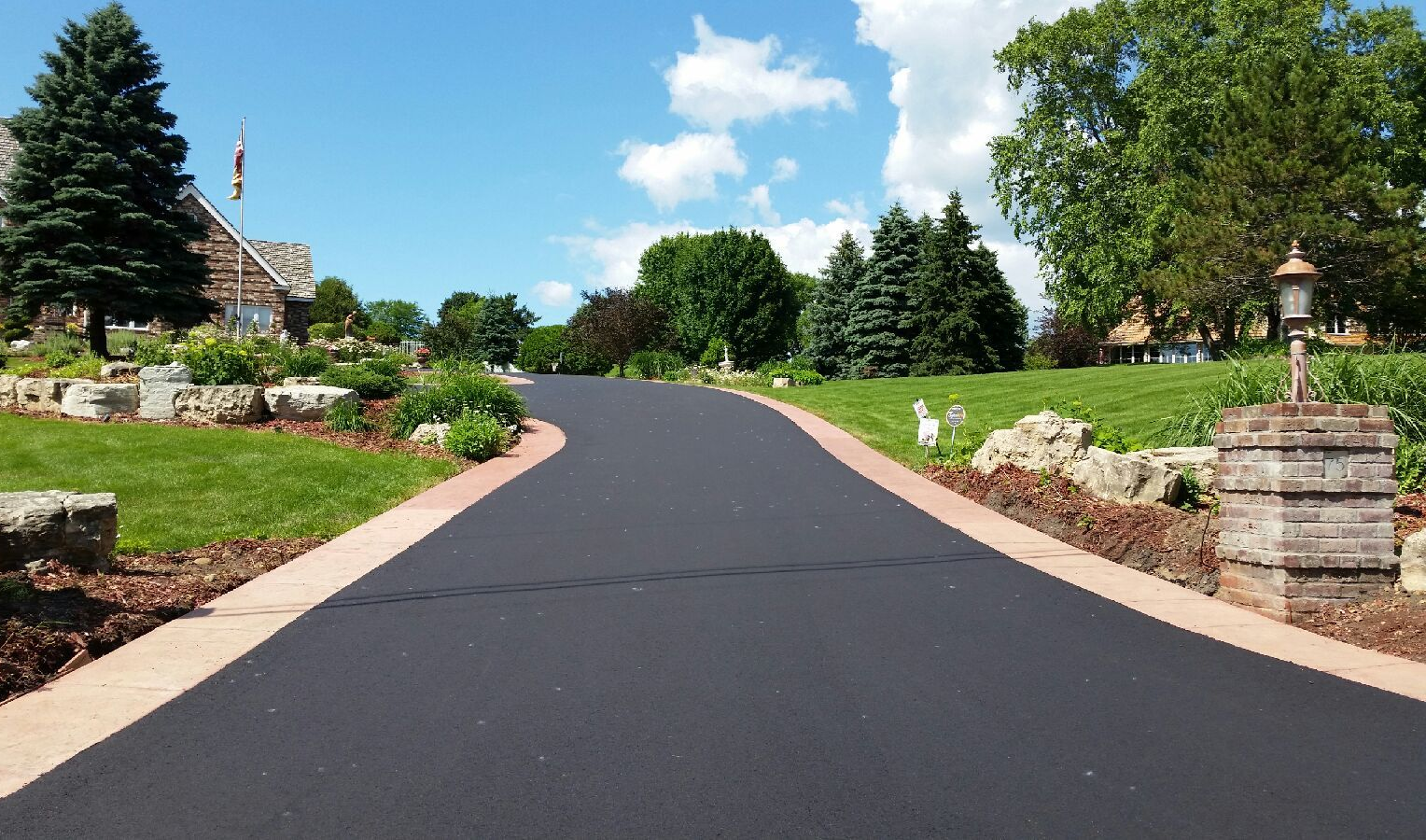
When hiring an Asphalt Company, it is easy to focus on the surface you will see at the end: the smooth driveway, clean parking area, or finished access road. But the real strength of a paving project starts below the asphalt. Proper excavation helps create a stable foundation, correct drainage issues, remove weak material, and prepare the area for long-term performance.
Without the right preparation, even a freshly paved surface can crack, sink, hold water, or fail earlier than expected. For CMAyres, excavation is not just the first step. It is one of the most important decisions that determines whether the finished pavement will perform well after daily traffic, weather changes, and normal wear.
What an Asphalt Company Checks Before Paving
Before paving begins, a professional team should look at the condition of the existing ground. This includes checking soil stability, drainage patterns, soft spots, slope, and how the area will be used. A driveway, private lane, commercial parking area, or equipment access path can each require a different preparation plan.
CMAyres looks at these details before recommending the next step. If the ground is too soft, too uneven, or holding moisture, paving over it will not solve the problem. It may only cover the issue temporarily.
Good site preparation helps answer important questions before money is invested in new asphalt:
- Is the soil strong enough to support traffic?
- Does water drain away from the paved area?
- Are there low spots that need correction?
- Does old material need to be removed?
- Is the depth appropriate for the project use?
This kind of evaluation helps property owners avoid paying for a surface that looks finished but does not have the structure underneath to last.
Why Excavation Comes Before a Strong Pavement Surface
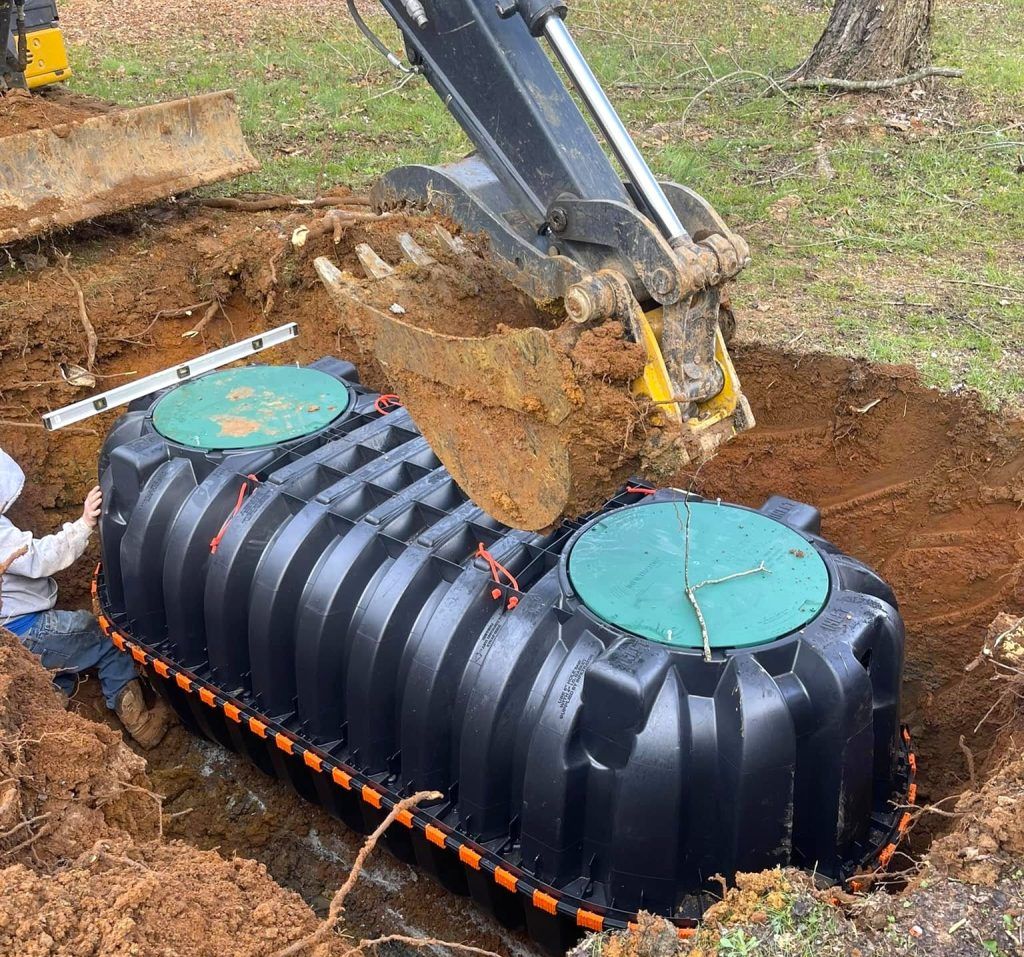
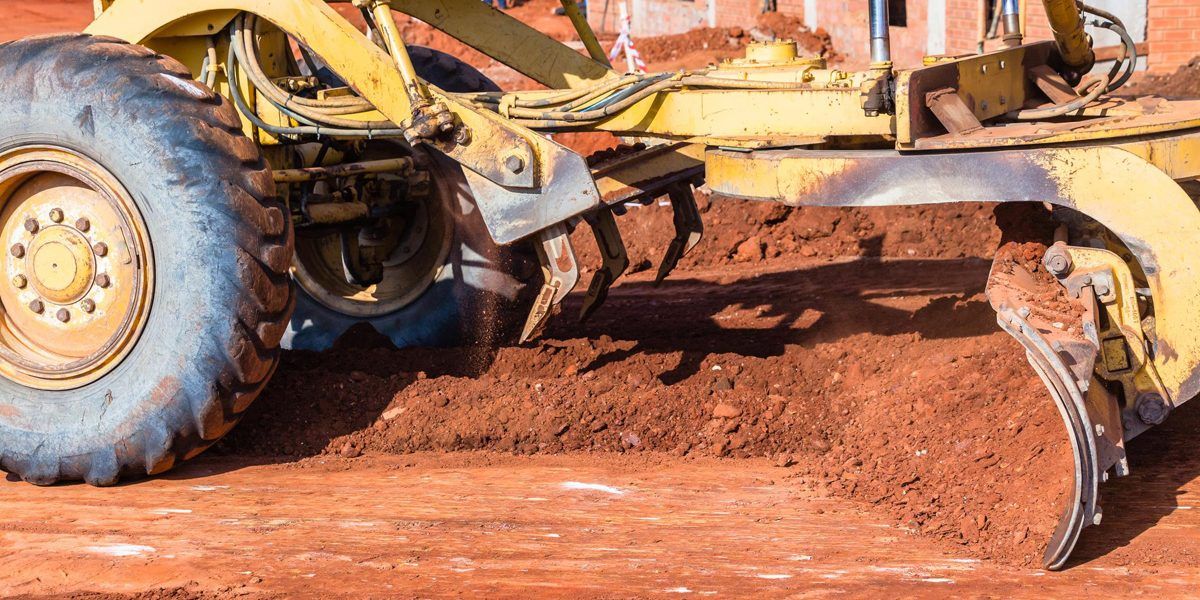
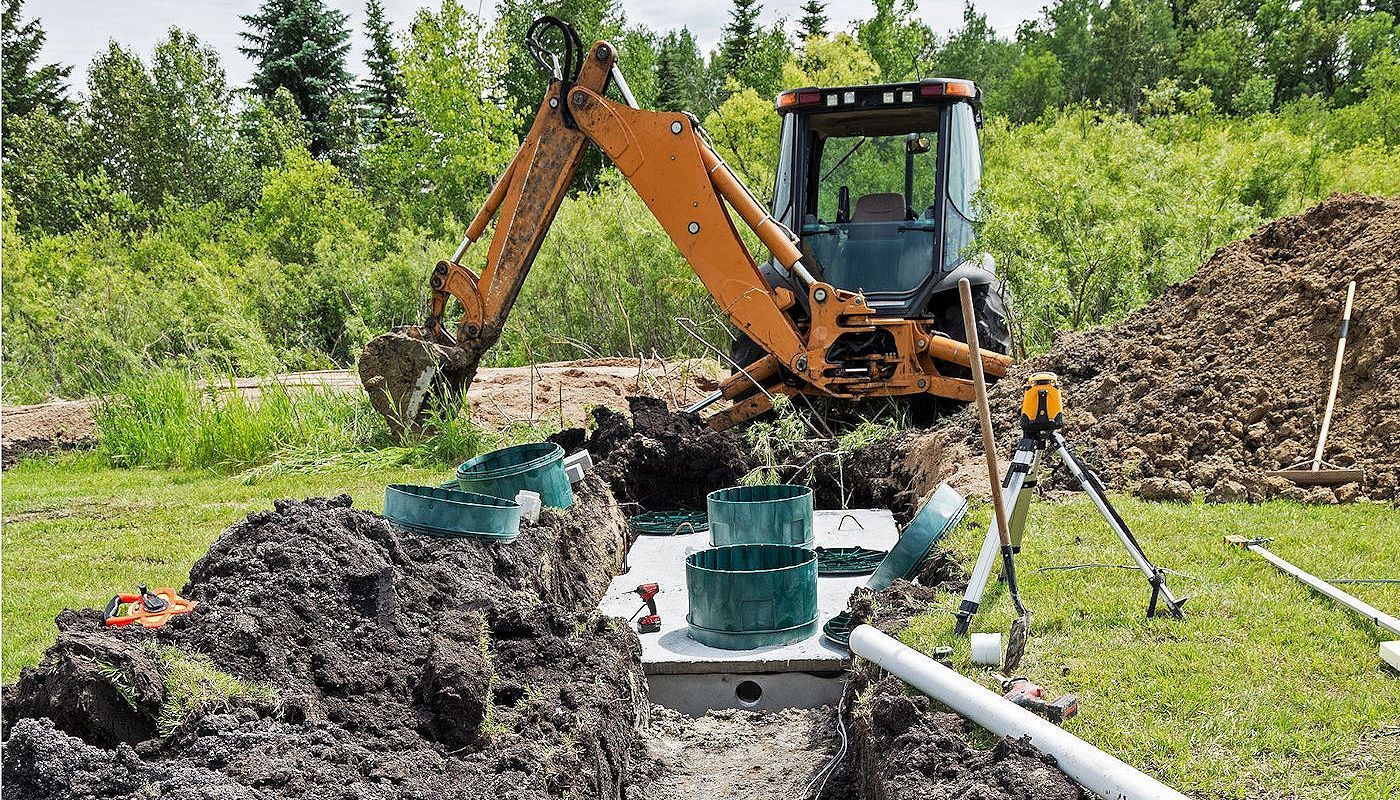
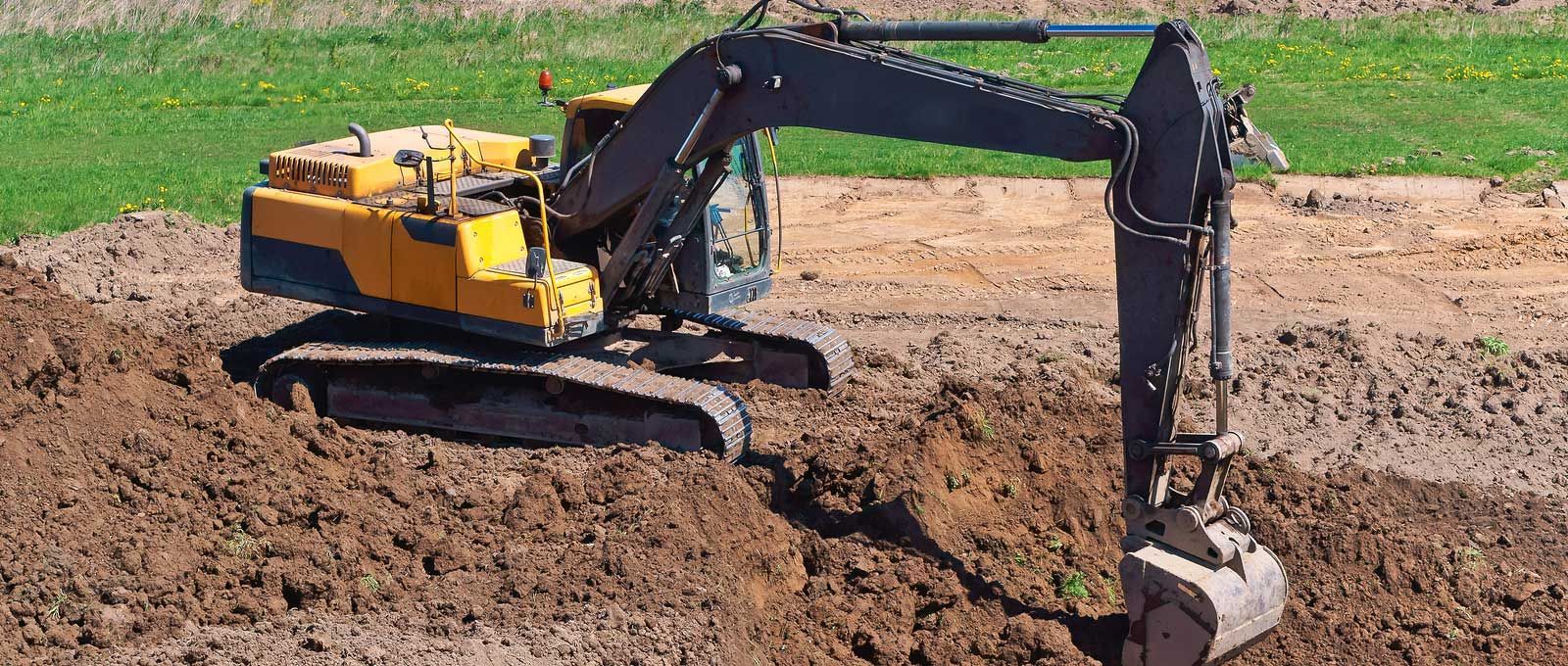
Excavation creates the space needed for a proper pavement system. The process may include removing old asphalt, cutting out unstable material, shaping the area, and preparing the depth needed for base installation. This matters because asphalt needs a strong, compacted layer beneath it.
If the base is too thin or placed over weak soil, the pavement can move under pressure. That movement often shows up later as cracks, dips, edge failure, or uneven areas where water collects.
For driveway projects, grading for driveway drainage is especially important. Water that sits near the surface or moves under the pavement can weaken the base. Over time, that moisture can create soft spots and shorten the life of the asphalt.
CMAyres uses excavation as a way to build from the ground up, not just make the top layer look clean. That approach is especially important for projects where vehicles turn, park, brake, or enter from uneven ground.
If your property needs ground preparation before paving, you can explore CMAyres’ excavation services.
What Happens If You Skip Proper Excavation
Skipping excavation may lower the upfront cost, but it often increases the risk of future repairs. Asphalt placed over poor ground conditions may look fine at first. The problems usually appear after rain, temperature changes, or regular vehicle use.
Here is what can happen when the preparation is rushed or ignored:
| Skipped Step | Possible Result |
|---|---|
| Removing weak soil | Sinking, rutting, or uneven pavement |
| Correcting drainage | Standing water and base erosion |
| Proper compaction | Cracking and surface movement |
| Adequate depth | Faster wear under vehicle weight |
| Edge preparation | Crumbling along borders |
The most frustrating part for property owners is that these issues often appear after the project is complete. Once the asphalt is installed, fixing a base problem may require cutting, removal, and rebuilding sections that could have been handled correctly from the start.
This is why CMAyres encourages customers to think beyond the finished surface. A strong project starts with the work that most people never see.
When Excavation Becomes a Smart Investment
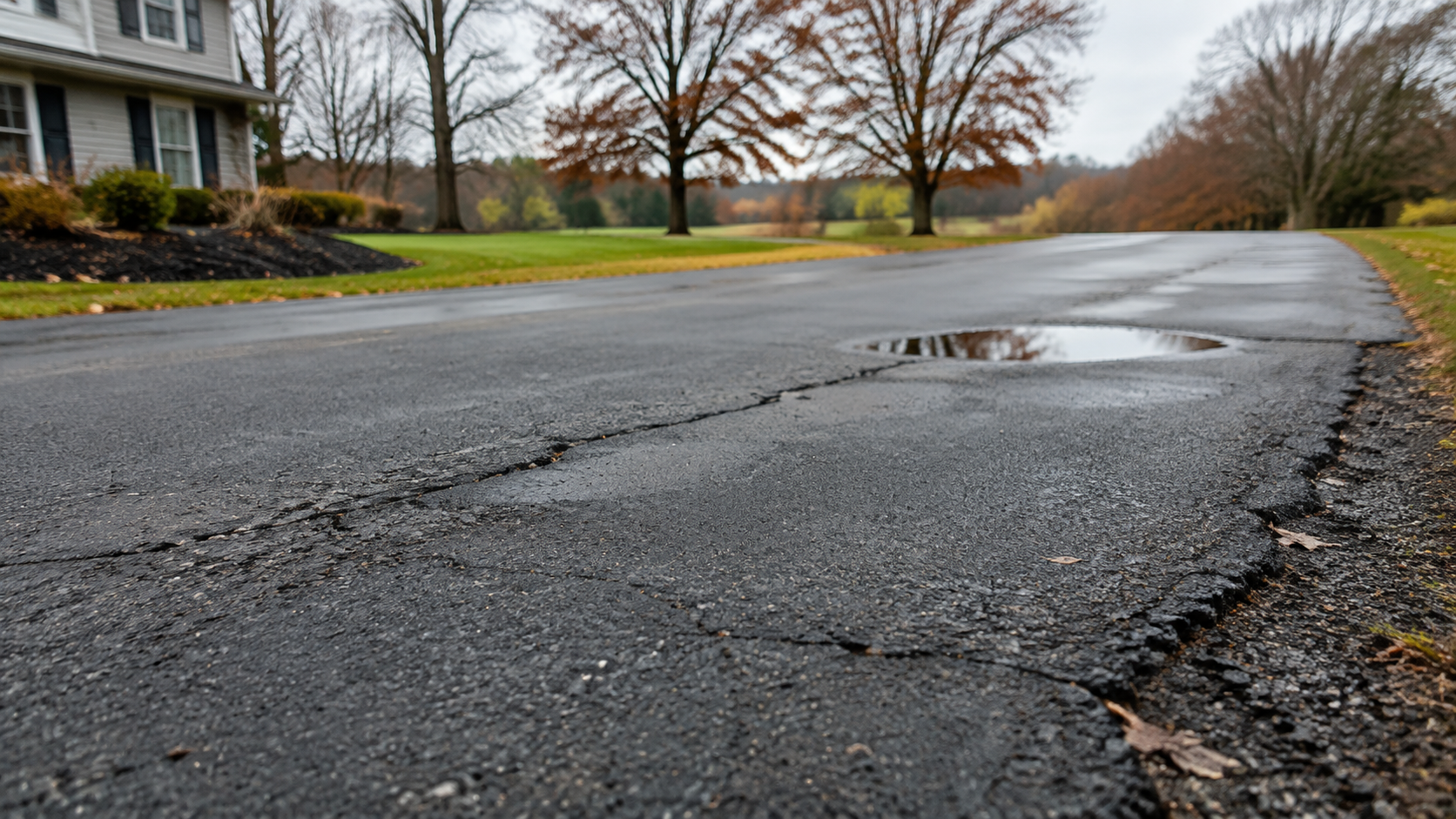
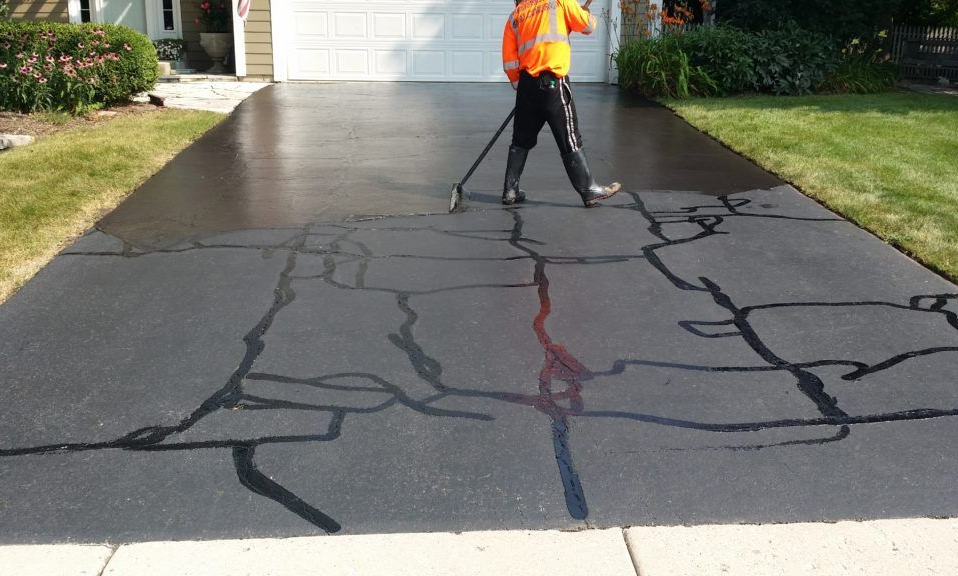
Excavation is especially important when the existing surface shows warning signs. These signs may include deep cracks, repeated potholes, water pooling, soft edges, or areas that sink under vehicle weight. In those cases, paving without proper preparation may only hide the symptoms.
CMAyres helps customers understand when excavation is necessary and when a simpler paving solution may be enough. That honest distinction matters because not every project needs the same level of work. A well-planned recommendation should match the pavement condition, expected traffic, drainage needs, and long-term use of the property.
If your paving project involves uneven ground, recurring pavement failure, or drainage concerns, start with a proper
excavation plan from CMAyres.
Build the Project Right From the Start
A paving project should not be judged only by how it looks on installation day. It should be judged by how well it holds up after traffic, rain, seasonal changes, and daily use. Proper excavation helps give the asphalt the support it needs before the surface is ever installed.
CMAyres approaches paving with that bigger picture in mind. By reviewing the ground, correcting weak areas, and preparing the base properly, the team helps property owners make better decisions before investing in asphalt.
Ready to plan a stronger pavement project? Request help from CMAyres.
FAQs About Excavation Before Paving
Why is excavation important before asphalt paving?
Excavation is important because it removes weak material, creates proper depth, supports drainage, and prepares the ground for a stronger asphalt surface. Without it, the pavement may crack, sink, or fail sooner.
Does every paving project need excavation?
Not every project needs major excavation, but every project should be evaluated before paving. Some surfaces only need minor preparation, while others need deeper correction because of drainage issues, soft soil, or damaged base material.
What happens if asphalt is installed over a poor base?
Asphalt installed over a poor base can develop cracks, potholes, low spots, and drainage problems. The surface may look good at first, but the hidden weakness underneath can lead to expensive repairs later.