How to Choose the Right Asphalt Company for Your Project
Choosing the right asphalt company can affect how long your pavement lasts, how well it drains, and how much maintenance it needs later. The best choice is not always the lowest estimate. A stronger decision comes from reviewing licensing, project experience, material quality, warranty terms, scheduling, and how clearly the team explains the work before the project begins.
For
CMAyres, a good paving project starts with understanding the property, not just quoting square footage. A driveway, parking lot, private lane, or commercial access area may need different preparation, base work, compaction, and finish details.
How to Choose an Asphalt Company for Your Project
A reliable paving partner should help you understand what your project actually needs. Some surfaces require resurfacing, while others need full-depth repair, grading corrections, or drainage improvements before new asphalt is installed.
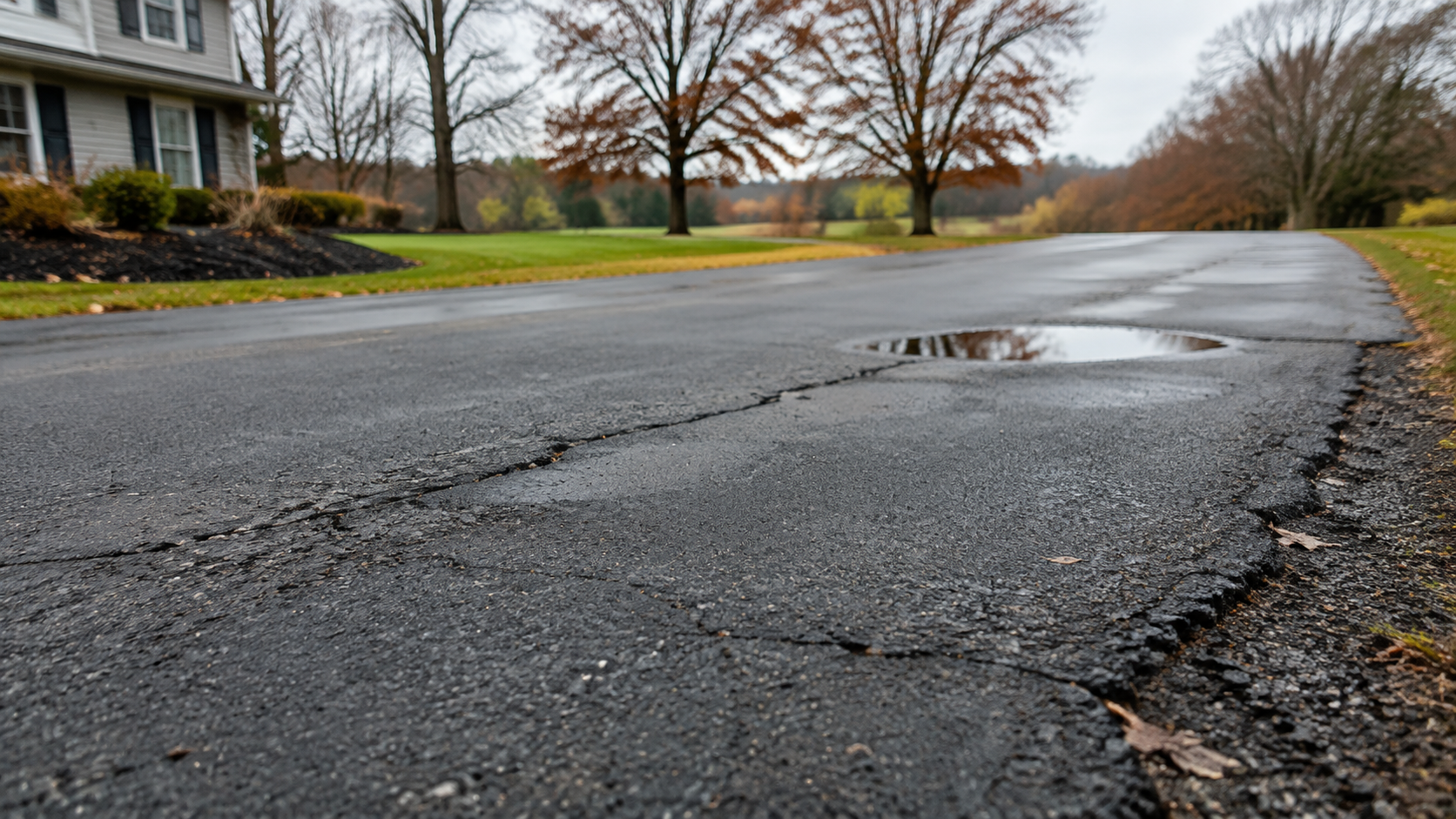
When CMAyres evaluates a project, the goal is to identify what will support a longer-lasting result. That may include looking at soft areas, edge failure, standing water, traffic patterns, and how the surface is being used. This kind of review helps avoid short-term fixes that look acceptable at first but break down faster than expected.
If you are planning a paving project, start by asking whether the company offers the type of asphalt services your property needs. Homeowners, business owners, and property managers can learn more about available paving solutions through Asphalt Services.
Licensing and Insurance Checklist
Before hiring any contractor, confirm that the company is properly licensed and insured for the work being performed. This protects your property and helps show that the team is operating professionally.
A practical checklist should include:
- Confirm the company can explain its licensing clearly.
- Ask for proof of insurance before work begins.
- Make sure the scope is written in the estimate.
- Check whether permits are needed for the project.
- Avoid vague agreements with unclear responsibilities.
A licensed paving company should be comfortable answering these questions before you sign.
Experience With Similar Properties
Not all paving work is the same. A residential driveway has different needs than a retail parking lot or a busy access road. The right team should have experience with projects similar to yours and be able to explain how the plan changes based on use.
For example, a parking area with frequent turning traffic may need stronger base preparation than a lightly used driveway. A property with drainage issues may need grading adjustments before asphalt is placed. Local paving experts should understand how water, traffic load, soil conditions, and seasonal wear affect pavement performance.
CMAyres approaches these details as part of the planning process. Instead of treating every job the same way, the team can help property owners understand whether the surface needs repair, replacement, or a more complete paving plan.
Materials, Base Work, and Installation Details
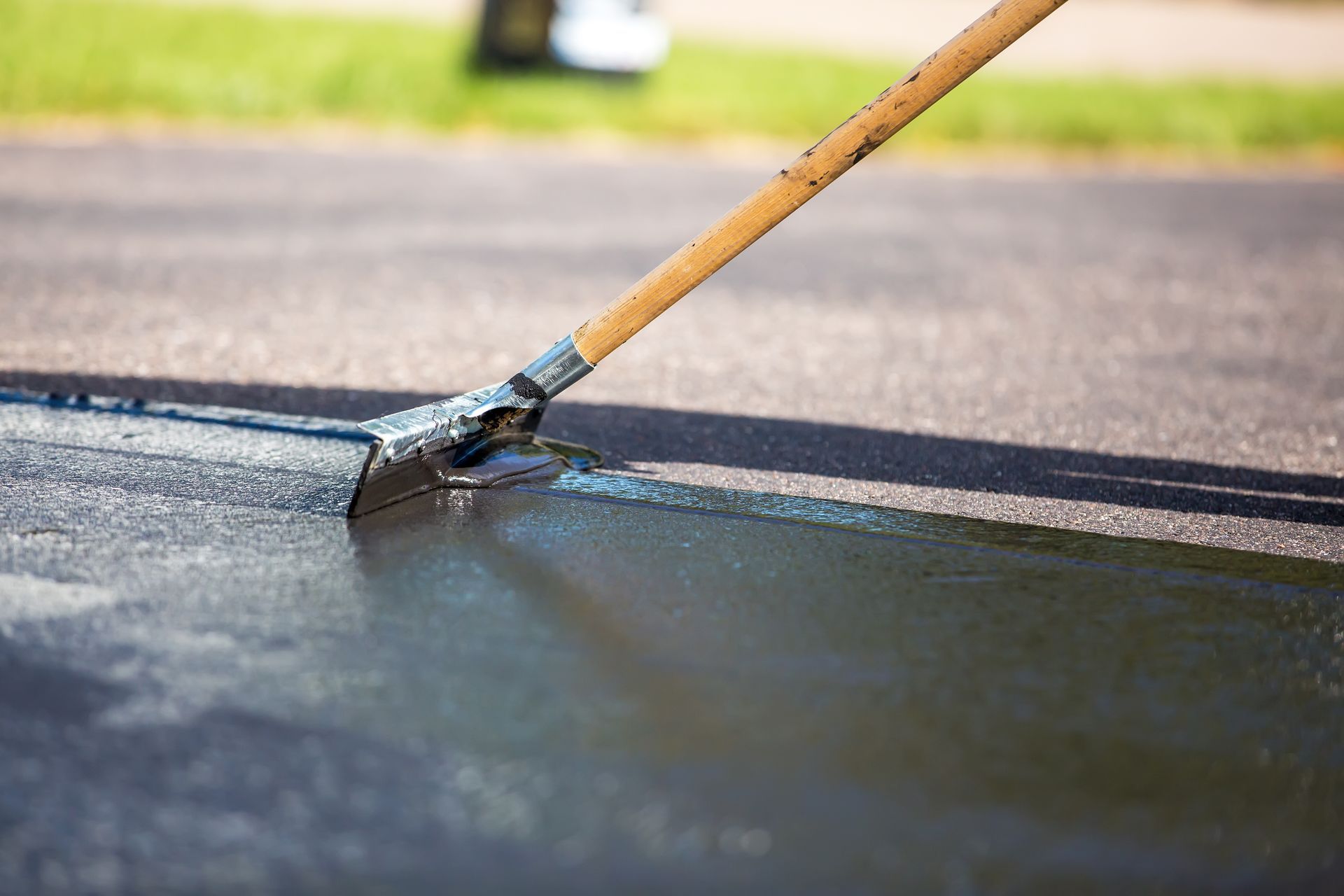
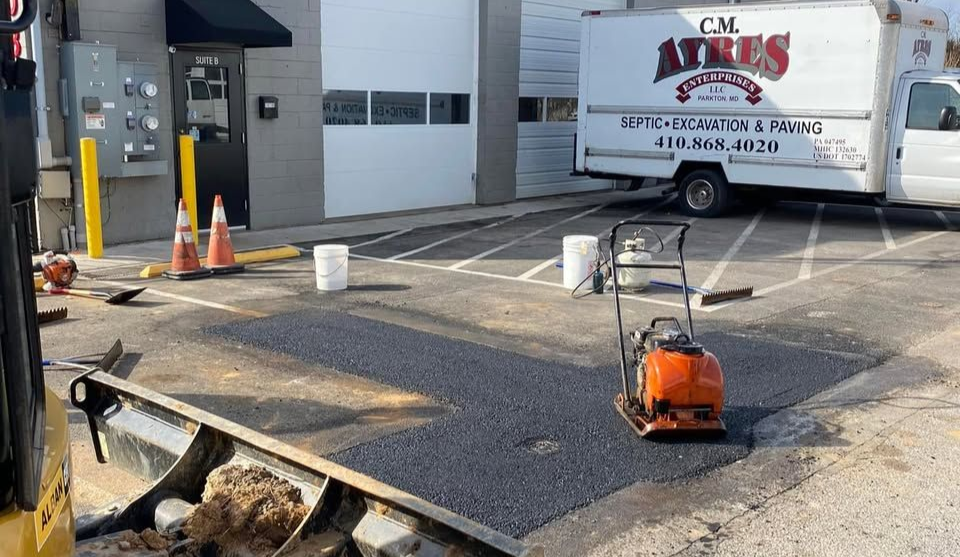
The visible asphalt layer is only part of the project. Long-term performance depends heavily on what happens underneath. Poor base preparation can lead to cracking, sinking, uneven surfaces, and early failure.
Here is a simple way to compare important project details:
| What to Review | Why It Matters |
|---|---|
| Base preparation | Supports the asphalt and reduces movement |
| Drainage planning | Helps prevent water from weakening the surface |
| Asphalt mix | Should match traffic use and project needs |
| Compaction | Improves strength and surface durability |
| Edge support | Helps prevent crumbling along borders |
Good asphalt contractors should be able to explain these items in simple terms. You do not need to know every technical detail, but you should understand why the recommendation fits your project.
If your current pavement has cracking, low spots, or drainage problems, request help reviewing the right repair or paving option through Asphalt Services.
Warranty, Communication, and Project Expectations
A clear warranty and a detailed estimate help prevent confusion. Before approving the work, ask what is included, what is not included, and what conditions could affect the final result.
Strong communication should cover:
• Project preparation before the crew arrives.
• Expected schedule and weather considerations.
• Surface use after installation.
• Maintenance recommendations.
• Warranty coverage and limitations.
This is where the difference between a quick quote and a professional process becomes clear. CMAyres can help customers understand the full path from evaluation to finished surface, so there are fewer surprises during the project.
A good estimate should help you make a confident decision.
Good asphalt contractors should be able to explain these items in simple terms. You do not need to know every technical detail, but you should understand why the recommendation fits your project.
If your current pavement has cracking, low spots, or drainage problems, request help reviewing the right repair or paving option through Asphalt Services.
Final Decision: Compare Value, Not Just Price
Price matters, but it should not be the only factor. A cheaper estimate may leave out important preparation, use thinner material, skip drainage concerns, or provide limited explanation. Those shortcuts can create higher costs later.
The right asphalt company should provide a balance of clear communication, practical recommendations, proper preparation, and service that fits the property. That is especially important for surfaces that carry vehicles every day or affect the first impression of a home or business.
If you are ready to plan a paving project with a team that can explain your options clearly, explore solutions with CMAyres through Asphalt Services.