
Site Preparation Problems That Delay Construction Projects
Construction delays often start before the building work begins. A blocked access route, poor drainage, soft soil, unclear utility locations, or unfinished grading can slow down equipment, crews, deliveries, and inspections. That is why working with a site preparation contractor early can make a major difference for homeowners, builders, developers, and commercial property owners.
Picture a project that looks ready from the road. The lot is open, the plans are approved, and the crew is scheduled. Then the first equipment arrives and the problems appear. The entrance is too narrow for machinery, rainwater is sitting near the work area, and the ground is softer than expected. Suddenly, construction site prep is no longer a small step. It is the reason the project cannot move forward on schedule.
CMAyres helps property owners and contractors prepare sites with excavation services, land clearing, grading, and practical planning before construction begins. If your project needs a stronger start, learn more about site preparation support, or review related excavation services.
Access Problems Can Slow Down the Entire Job
Access is one of the first things to review before construction starts. If trucks, excavators, materials, and crews cannot safely reach the work area, the schedule can fall apart quickly. A site may look open, but that does not always mean it is ready for heavy equipment.
A site preparation contractor looks at entry points, turning space, slopes, soft ground, existing driveways, and delivery routes before the project begins. This is especially important for commercial work, rural properties, tight residential lots, and sites with limited staging space.
What happens if access is not planned early? Crews may lose time moving equipment, deliveries may need to be rescheduled, and temporary fixes may cost more than preparing the route correctly from the start. Good access planning helps the rest of the project move with fewer interruptions.
Grading Issues Can Create Bigger Problems Later
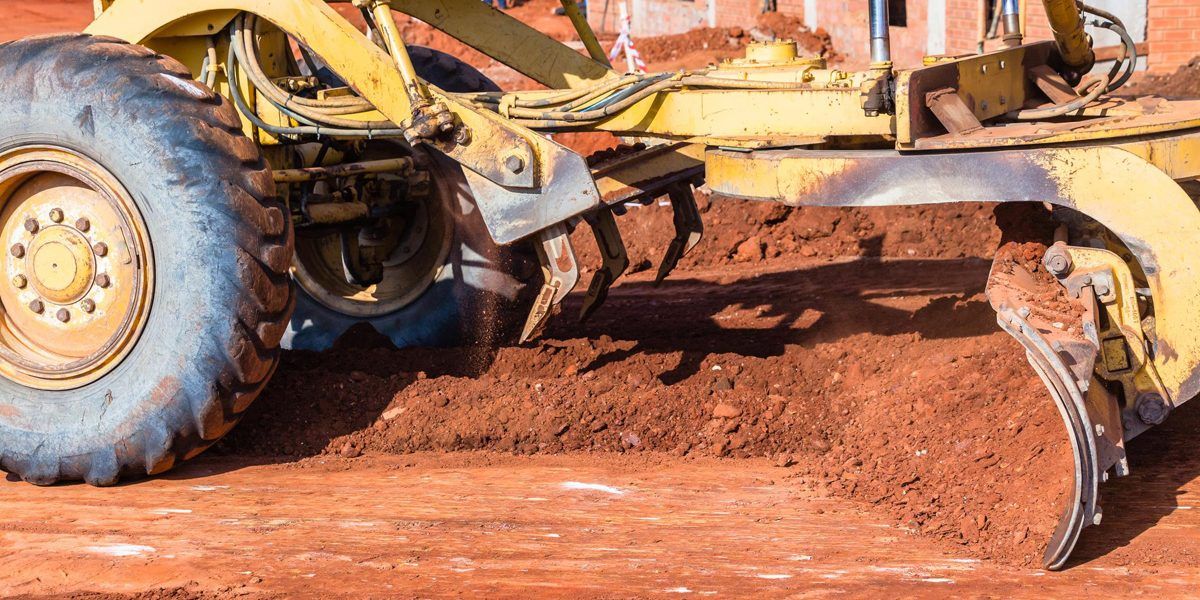
Grading shapes the land so the construction area is stable, usable, and ready for the next phase of work. When grading is skipped or handled poorly, water may collect in the wrong place, foundations may be harder to prepare, and finished surfaces may not perform the way they should.
A grading contractor checks how the land slopes, where water naturally travels, and whether the site needs to be adjusted before building begins. This step matters because grading affects drainage, driveway layout, parking areas, foundation prep, and long-term property use.
For example, a builder may be ready to pour a slab, but the surrounding grade sends water toward the work area after every rain. If that is not corrected early, the project can face delays, rework, and moisture problems later. For projects that need grading support before construction, CMAyres can help connect site preparation with professional grading.
Drainage Problems Should Be Solved Before Construction Starts
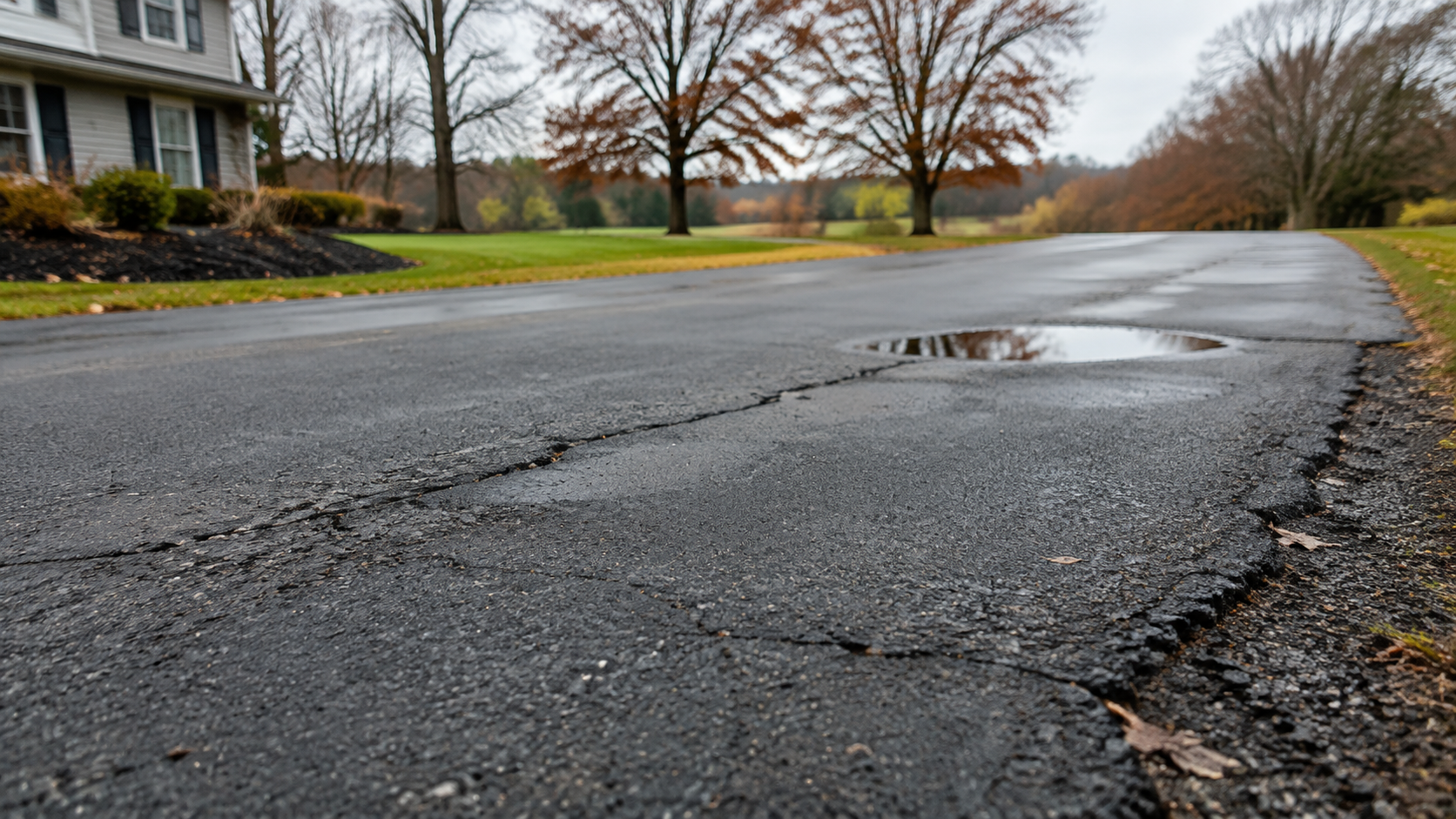
Drainage is one of the most common reasons a site becomes difficult to work on. Water standing in low areas can soften soil, block equipment movement, delay excavation, and create unsafe working conditions. Even after construction is complete, poor drainage can continue causing problems around foundations, pavement, and landscaped areas.
A site preparation contractor should look for low spots, runoff patterns, nearby slopes, and areas where water sits after rain. The goal is to understand how water moves across the property before the project depends on dry, stable ground.
Can drainage problems be fixed after construction begins? Sometimes, but it is usually more disruptive and expensive. Addressing drainage during construction site prep helps avoid delays and gives the rest of the project a better foundation.
Utility Conflicts Can Stop Work Without Warning
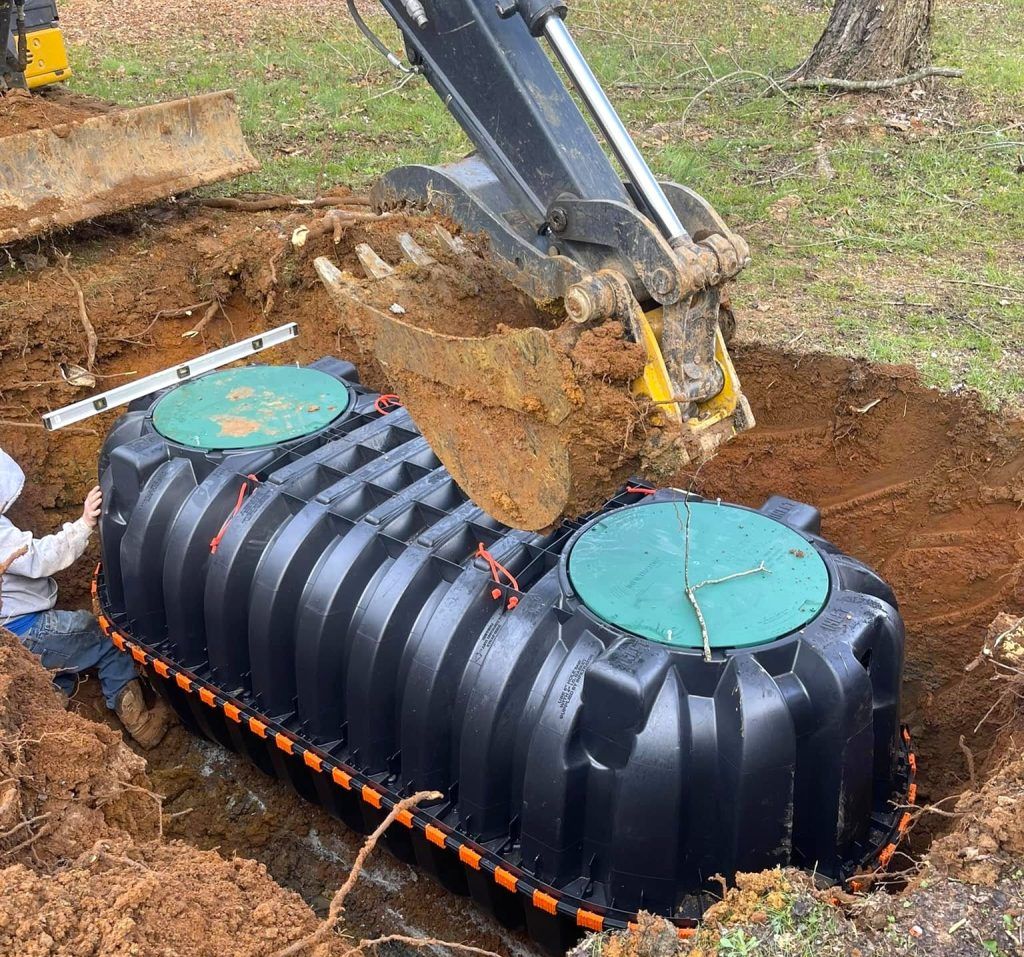
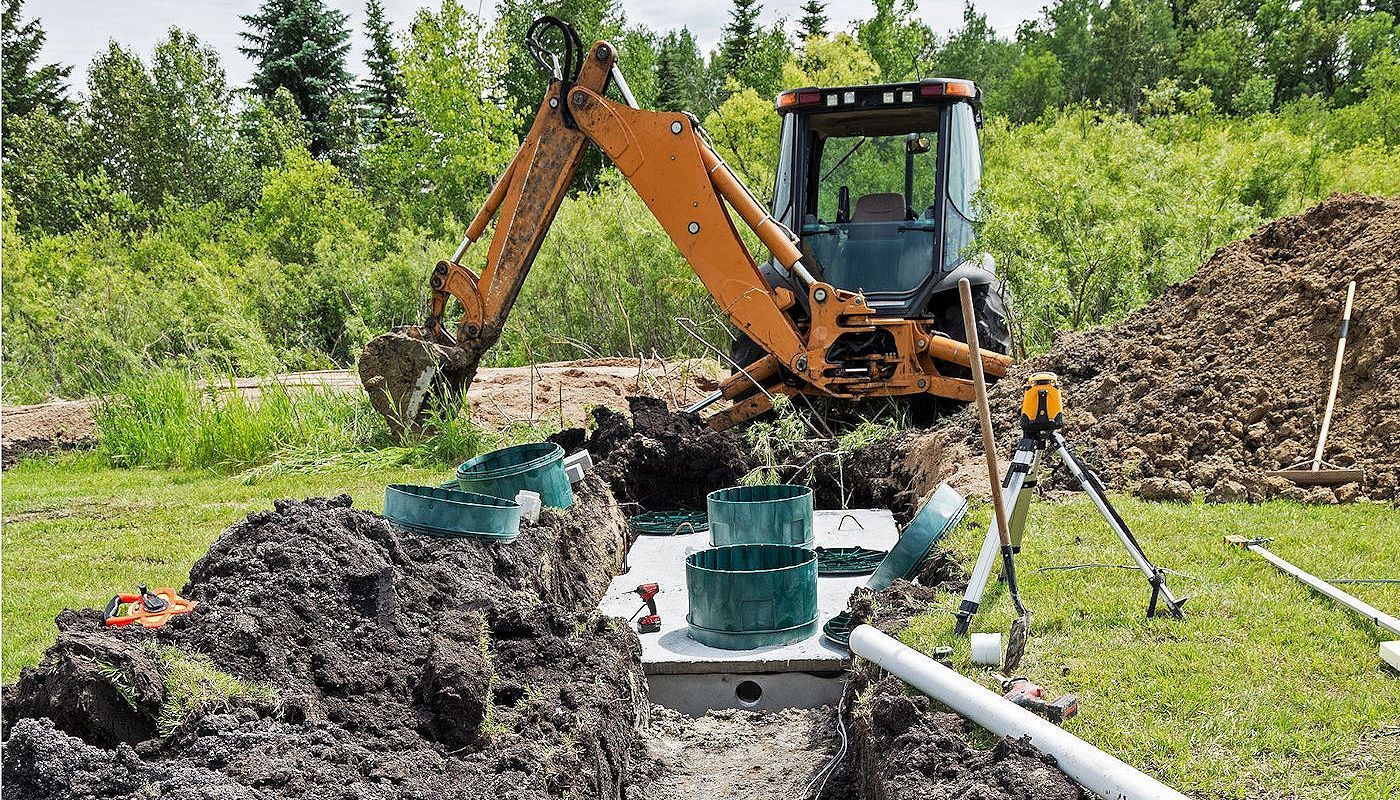
Utilities are another important part of site preparation. Underground lines, old pipes, service connections, septic components, drainage lines, or unmarked features can create serious delays if they are discovered after excavation starts.
Before digging begins, the excavation company and project team should understand where known utilities are located and what areas need extra care. This protects crews, equipment, and the project schedule.
A short delay for planning is much better than stopping work because a buried line was hit or an unexpected obstruction was found. For property owners, this is one of the clearest reasons to involve experienced
excavation services before major site work begins.
Soil Conditions Affect Excavation and Stability
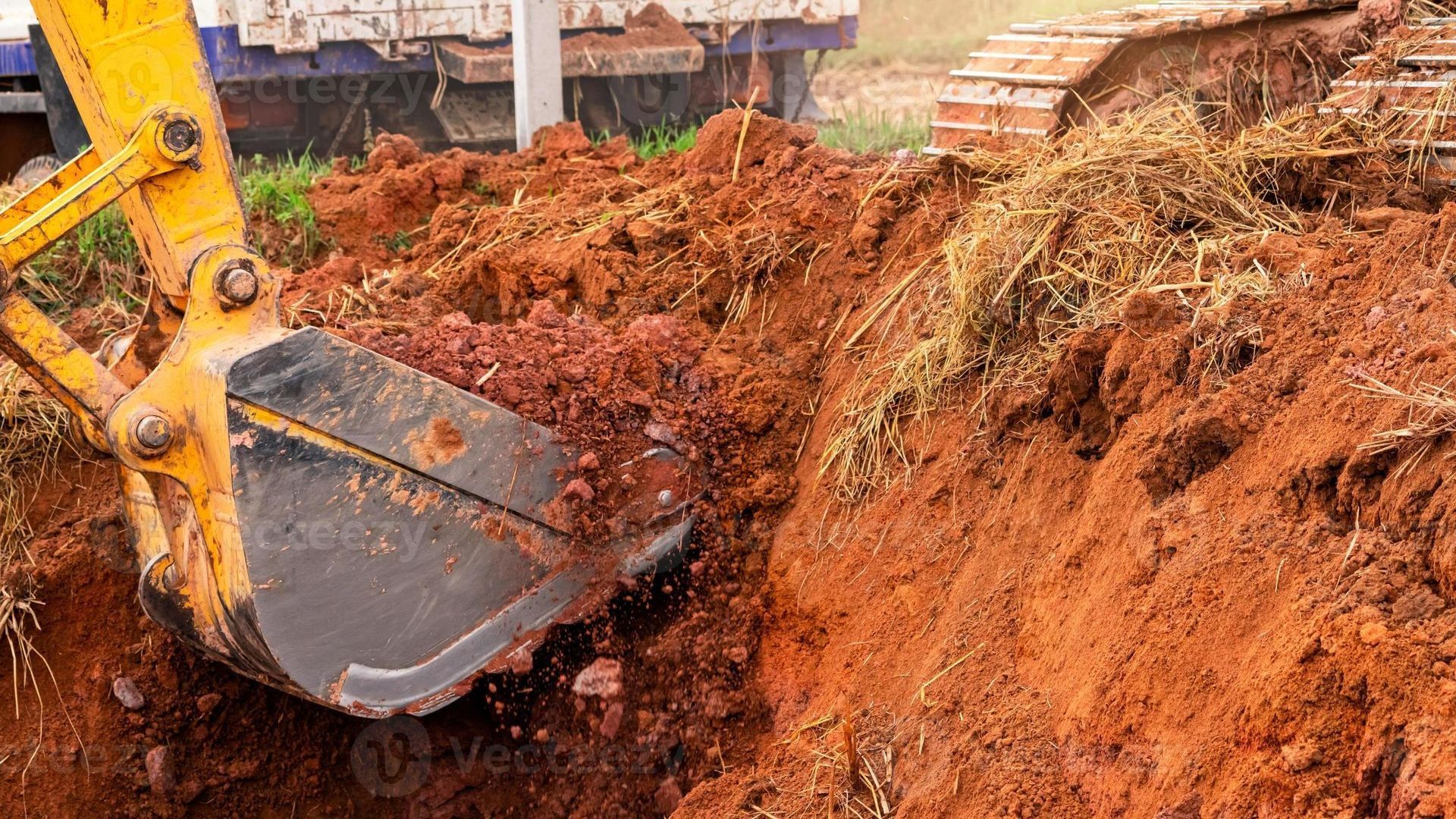
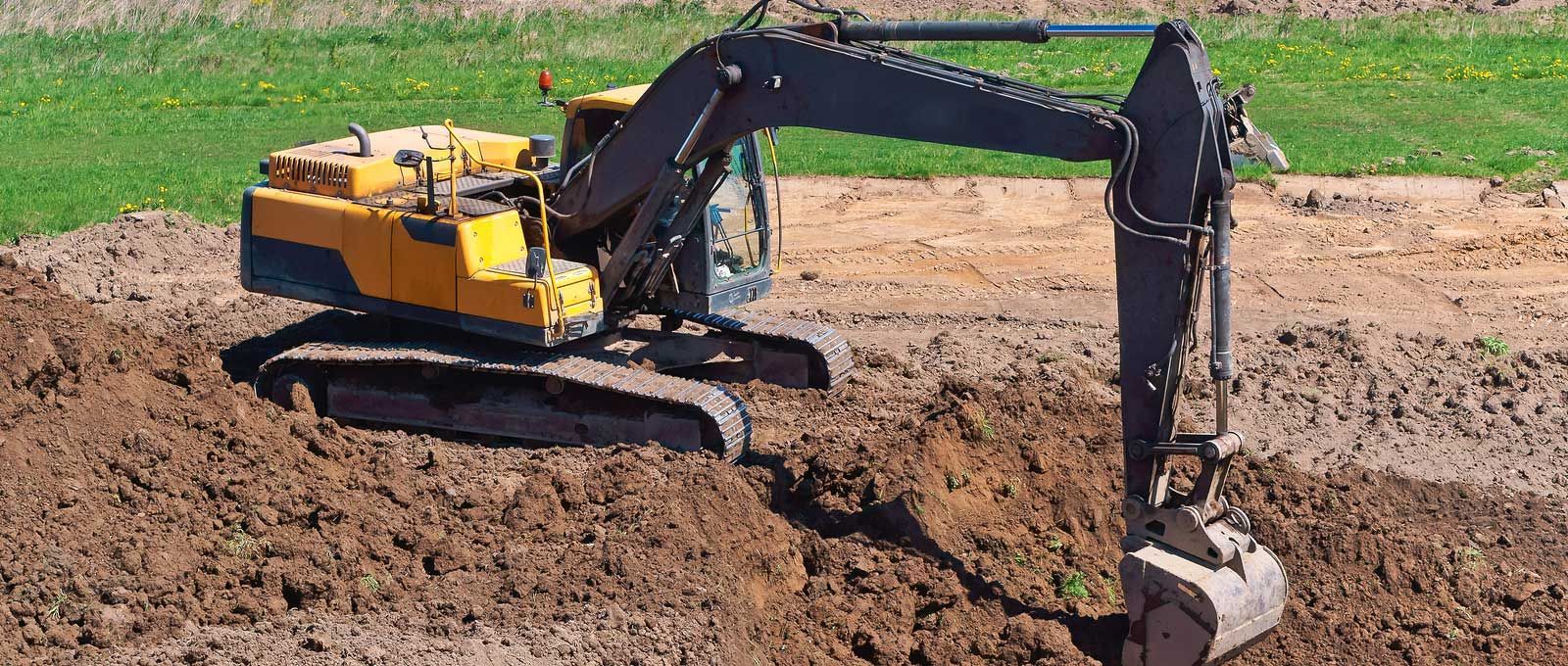
Soil conditions can change the way a project needs to be prepared. Some sites have soft ground that does not support equipment well. Others may have rocky areas, fill material, unstable sections, or soil that holds water after storms.
A site preparation contractor can review the work area and identify whether the ground may need clearing, grading, stabilization, or additional excavation before construction moves forward. This step is especially important when heavy equipment, foundation work, driveways, parking areas, or septic-related work will be involved.
If soil problems are ignored, crews may deal with rutting, unstable excavation areas, repeated water issues, or delays caused by reworking sections that were not ready. Preparing the ground correctly helps reduce those risks before they affect the construction schedule.
Land Clearing Should Match the Project Plan
Land clearing is not just removing trees, brush, or debris. It should be planned around the actual construction layout, access routes, drainage needs, and future use of the site. Clearing too little can slow down crews. Clearing without a plan can disturb areas that should have been protected.
For example, a contractor may need space for equipment, material staging, and safe movement around the site. If brush, stumps, debris, or old surface material are still in the way, the crew may have to stop and clear those areas before productive work can continue.
A thoughtful land clearing plan helps the site feel organized from the start. It also makes excavation services and grading work easier because the contractor can see the ground conditions clearly before shaping the site.
Why Choose CMAyres for Site Preparation
CMAyres helps property owners, builders, and contractors prepare sites before construction problems turn into costly delays. From access planning and land clearing to excavation services and grading, the team focuses on creating a cleaner, safer, and more workable site before the next phase begins.
A strong project starts with the ground. If equipment cannot enter, water has nowhere to go, utilities are unclear, or the soil is not ready, the entire schedule can be affected. Working with an experienced excavation company gives you a better chance of identifying those issues early.