What to Know Before Starting a Septic Tank Installation Project
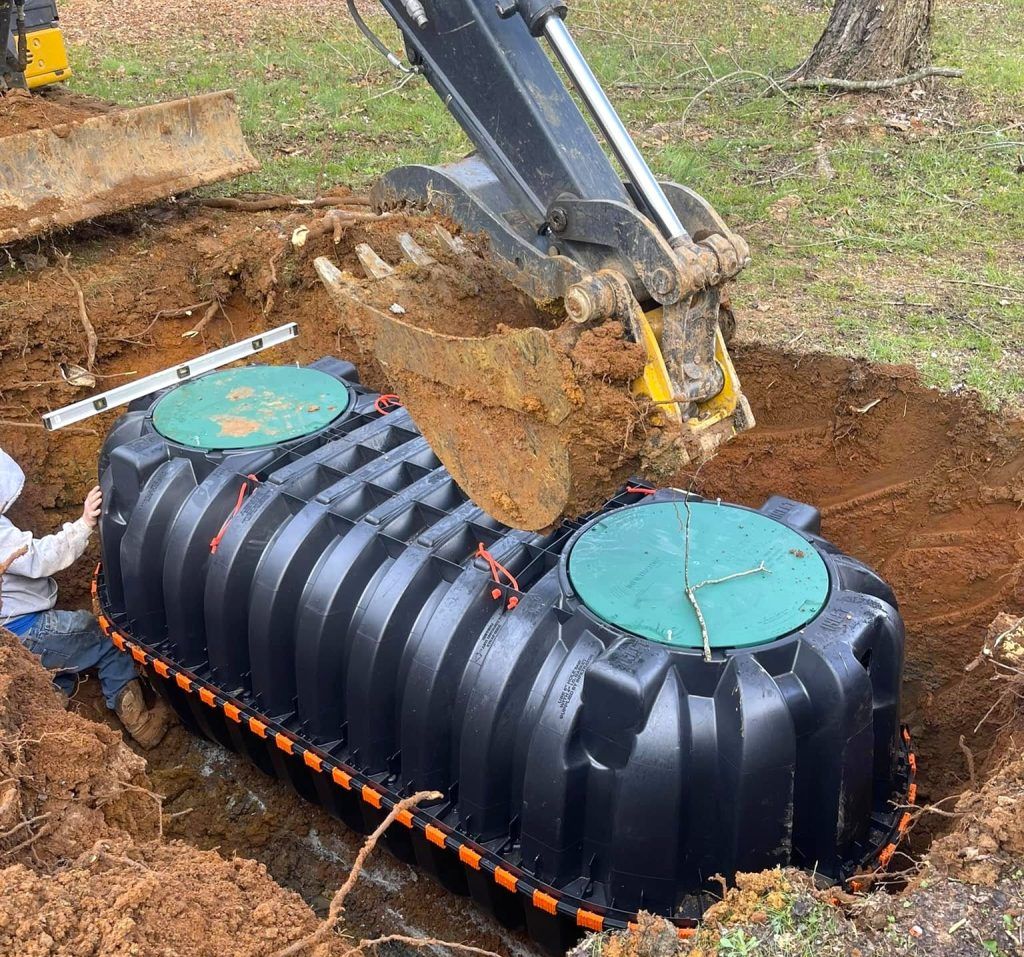
A septic tank installation project starts long before the tank is placed in the ground. For property owners, the most important decisions often happen during planning, excavation, grading, and site preparation. If those steps are rushed, the system may face drainage problems, access issues, soil instability, or delays that make the project more expensive than expected.
Think about a homeowner preparing to build on a rural lot. The property looks open and ready, but the ground slopes toward the wrong area, the driveway access is tight, and the soil stays wet after rain. Without proper excavation services and site preparation, the septic system contractor may run into problems once work begins. That is why choosing experienced support early can make the entire septic tank installation smoother.
CMAyres helps property owners prepare land correctly before major underground work begins. From excavation to grading, the goal is to create a stable, accessible, and properly shaped site before installation day.
Call CMAyres today or
visit our excavating services to discuss site preparation for your septic tank installation project.
Why Site Preparation Matters Before Septic Tank Installation
A septic system needs the right conditions to work properly. The tank, lines, and surrounding area must be placed where the soil, grade, and access support long-term performance. If the site is not prepared correctly, even a good system design can become harder to install.
Site preparation services help clear the work area, shape the land, manage access, and prepare the ground for excavation. This gives the septic system contractor a cleaner and safer place to work.
For property owners, this step also helps avoid surprises. It is much better to find drainage, slope, or access problems before equipment arrives than after the installation has already started.
What Happens If You Skip Proper Excavation Planning
Skipping proper planning can create problems that are difficult to fix later. A septic tank installation requires more than digging a hole. The excavation must fit the system layout, local site conditions, equipment needs, and surrounding property features.
If excavation planning is skipped, property owners may face:
- Poor drainage around the septic area
- Delays because equipment cannot access the site
- Extra costs from correcting unstable ground
- Damage to nearby driveways, lawns, or structures
- A system area that is harder to service later
A simple example is a property where the tank location looks fine on paper, but the ground is too soft after rain. Without planning, heavy equipment may rut the yard, slow the work, or require additional stabilization. A professional excavation contractor can review those conditions before the project becomes more complicated.
How Excavation and Grading Support the Septic System
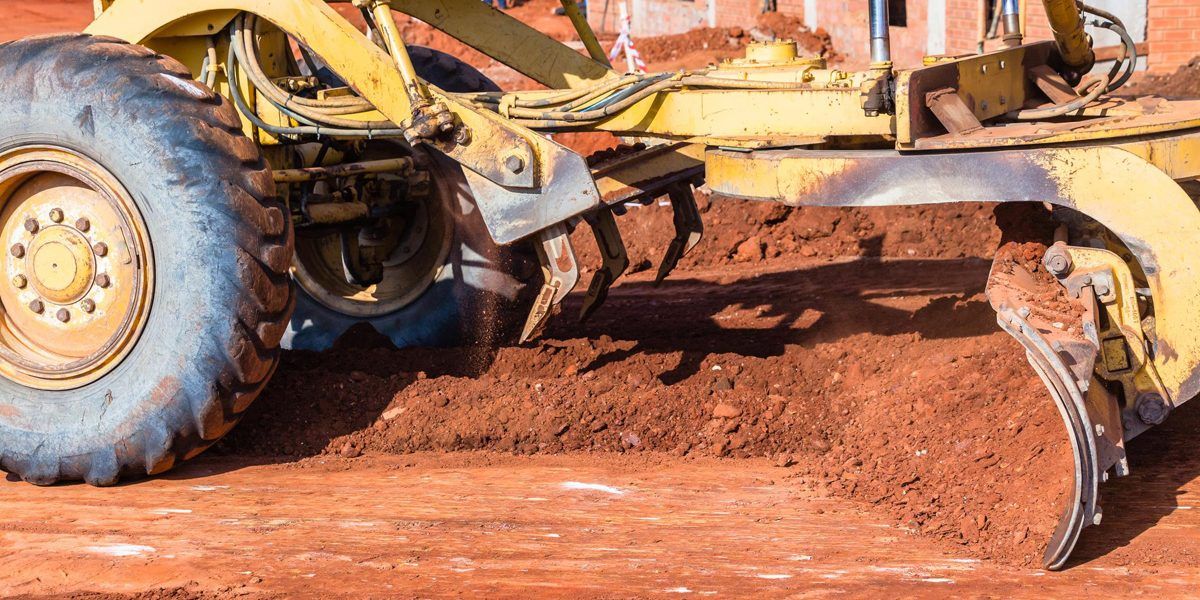
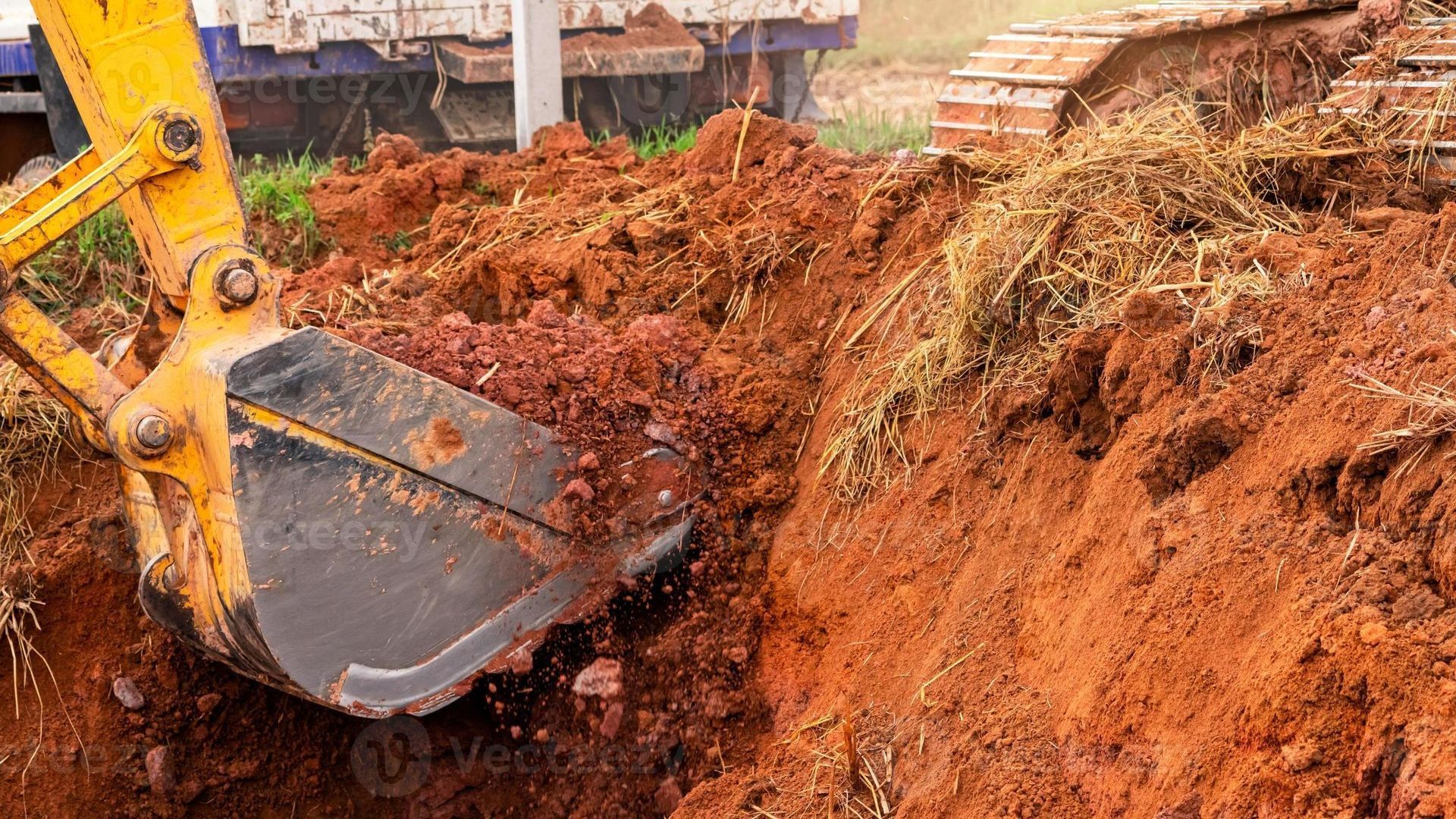
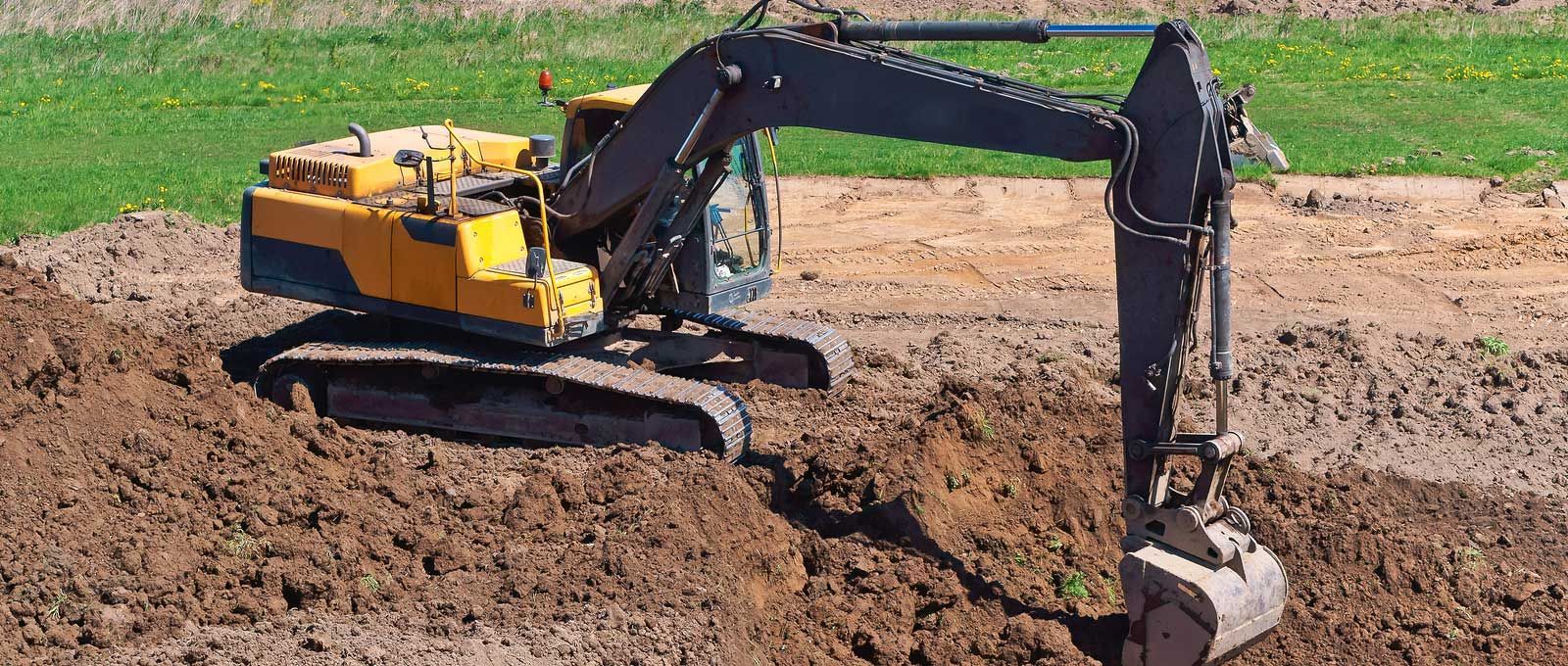
Excavation and grading work together during septic preparation. Excavation creates the space needed for the tank and system components. Grading helps shape the surrounding ground so water moves away from the wrong places and the work area stays more stable.
A grading contractor may review how the land slopes, where water collects, and how equipment will move across the property. This matters because septic systems do not perform well when water collects where it should not. Poor grading can also make future maintenance harder.
For homeowners, this part of the project may not look as exciting as the final installation, but it is one of the most practical steps. The ground needs to be ready before the septic system contractor can do the work correctly.
A Short Example: When Preparation Saves the Project
Imagine a property owner planning a septic tank installation behind a home addition. The site seems simple at first. There is open yard space, and the owner assumes the work can begin right away.
During the site review, the excavation team notices that rainwater naturally drains toward the proposed work area. They also find that the equipment path crosses a soft section of lawn near the driveway. If the crew starts without addressing those issues, the job could become messy, delayed, and harder to finish cleanly.
By preparing the access route, adjusting the grade, and clearing the right work area first, the project becomes more controlled. The septic contractor can work with fewer interruptions, and the property owner avoids unnecessary stress during installation.
That is the value of planning. It does not just prepare the land. It helps protect the budget, the schedule, and the property.
What to Ask Before Hiring Excavation Companies
Before hiring excavation companies for septic preparation, property owners should ask questions that reveal whether the contractor understands the full project, not just the digging.
Helpful questions include:
1. Have you prepared sites for septic tank installation before?
2. Will you review grading and drainage before excavation begins?
3. How will equipment access the work area?
4. What should be cleared before your crew arrives?
5. Can you coordinate with the septic system contractor if needed?
Clear answers help property owners feel more confident. Septic work affects the land, the home, and future property use, so the preparation should be handled carefully.
Why Choose CMAyres for Septic Site Preparation
CMAyres helps property owners prepare for septic tank installation with practical excavation services, grading support, and site preparation services. The team understands that a successful project depends on more than moving soil. It depends on access, drainage, stability, timing, and communication.
Whether the property needs clearing, excavation, grading, or preparation before a septic system contractor begins, CMAyres can help create a better starting point for the project.