
Driveway Grading and Drainage: Why Water Flow Matters Before Paving
Driveway grading is one of the most important steps before asphalt paving begins because water can quietly damage even a new surface if the ground is not shaped correctly. A driveway may look smooth on the day it is paved, but if water drains toward the house, sits in low spots, or washes along the edges, the pavement can begin to crack, settle, or break down earlier than expected.
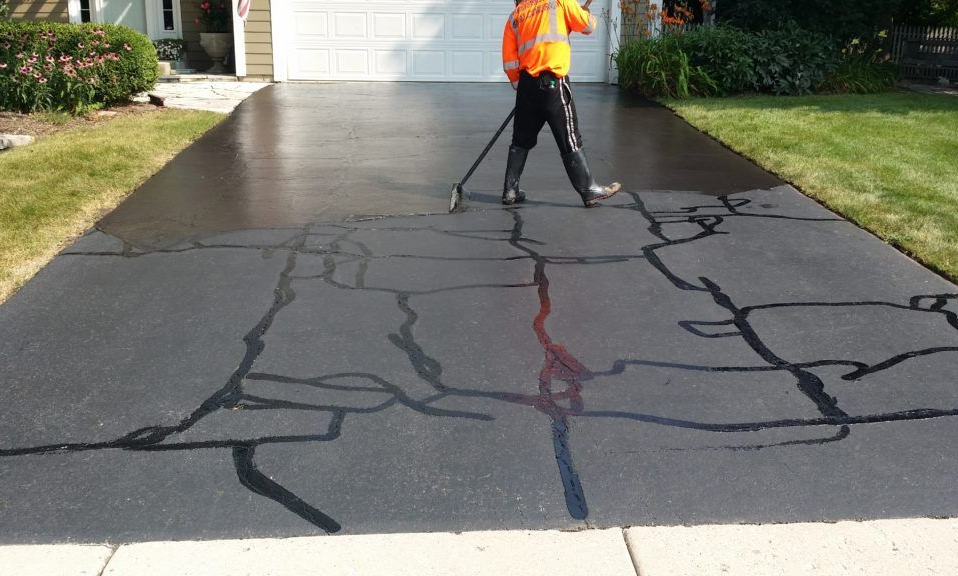
Picture a property owner who wants to replace an old driveway. The surface is cracked, but the bigger problem appears every time it rains. Water collects near the garage, runs along one side of the driveway, and leaves soft muddy areas near the edge. If new asphalt is installed without fixing the slope and drainage first, the same water problem will still be there under a cleaner surface.
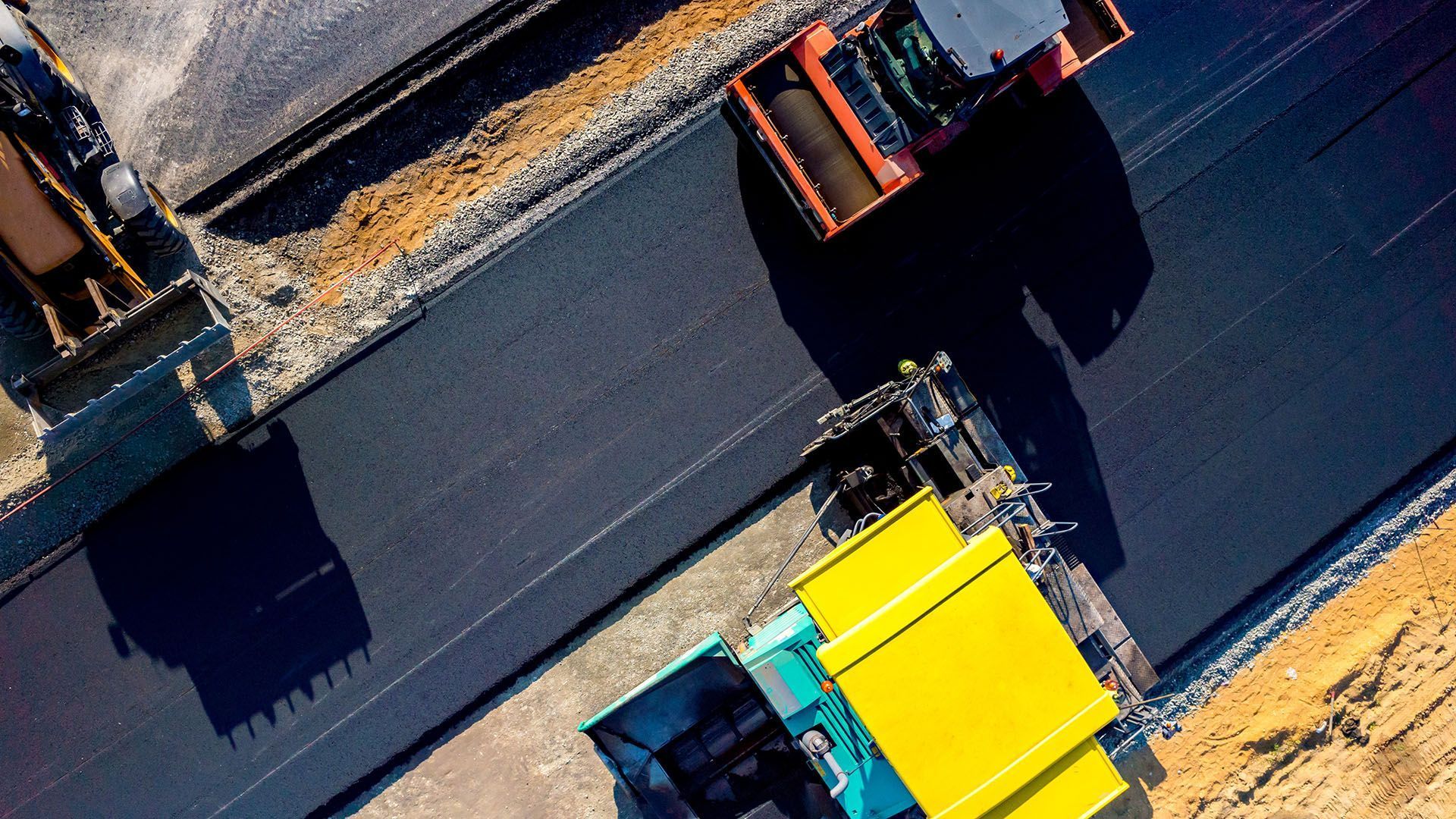
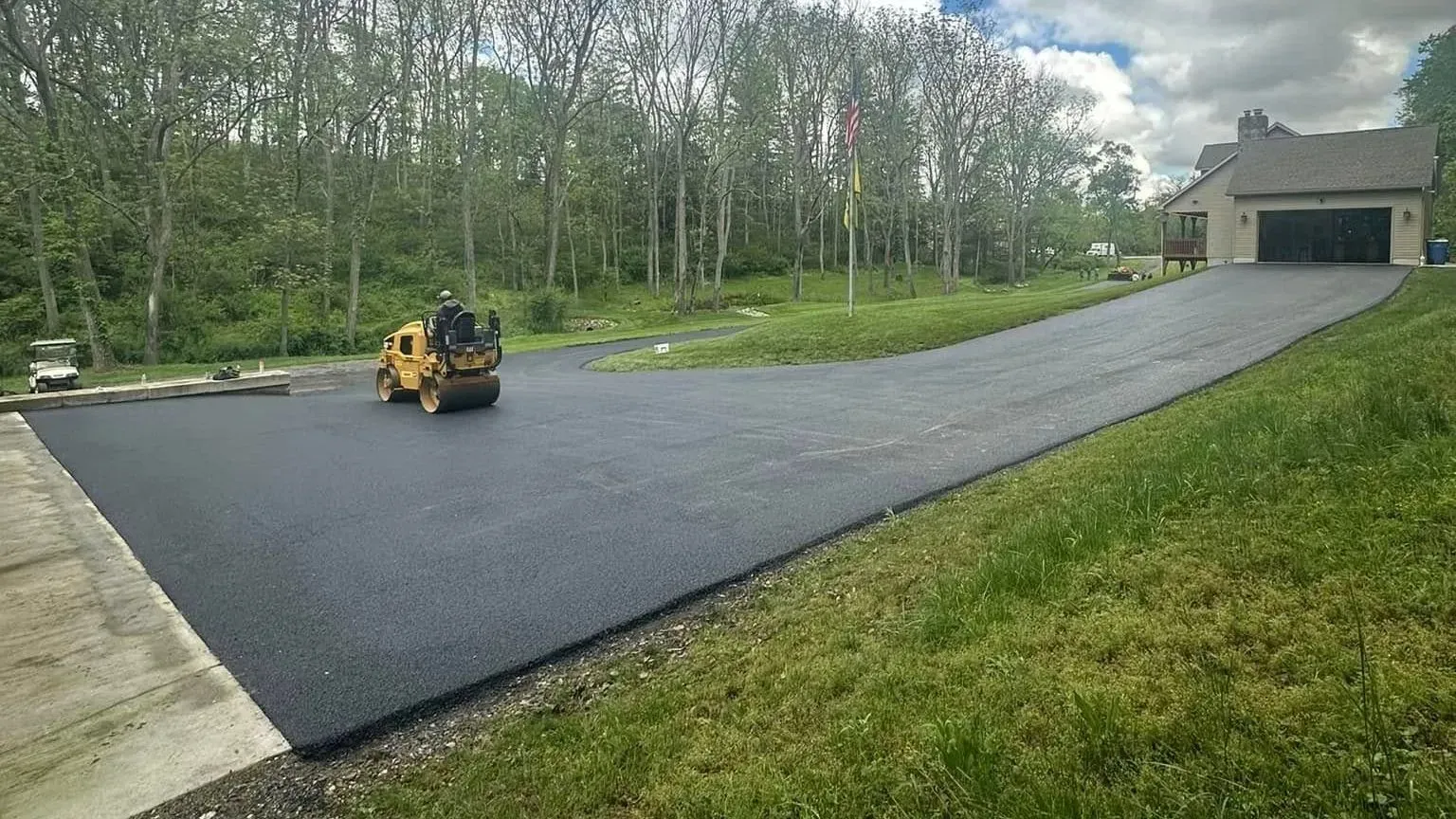
CMAyres helps property owners prepare driveways correctly before paving by reviewing grade, drainage, base conditions, and excavation needs. If you are planning driveway paving or a larger asphalt project, start by learning more about asphalt and paving services.
Why Driveway Grading Matters Before Paving
Driveway grading controls how water moves across and away from the pavement. The goal is not only to make the surface look level. The goal is to create the right slope so rainwater does not sit on the driveway or move toward areas that should stay dry.
A grading contractor looks at the driveway layout, the direction of water flow, the height near the garage or road, and the condition of the surrounding soil. This matters because the driveway needs support from below, not just a fresh surface on top.
If grading is skipped, a new driveway can inherit the same problems as the old one. Water may collect in shallow areas, weaken the base, or erode the edges. Over time, that can lead to cracks, potholes, and uneven pavement.
For property owners, grading is the step that helps the paving investment last longer. It gives the asphalt a stronger starting point before the final surface is installed.
Standing Water Is a Warning Sign
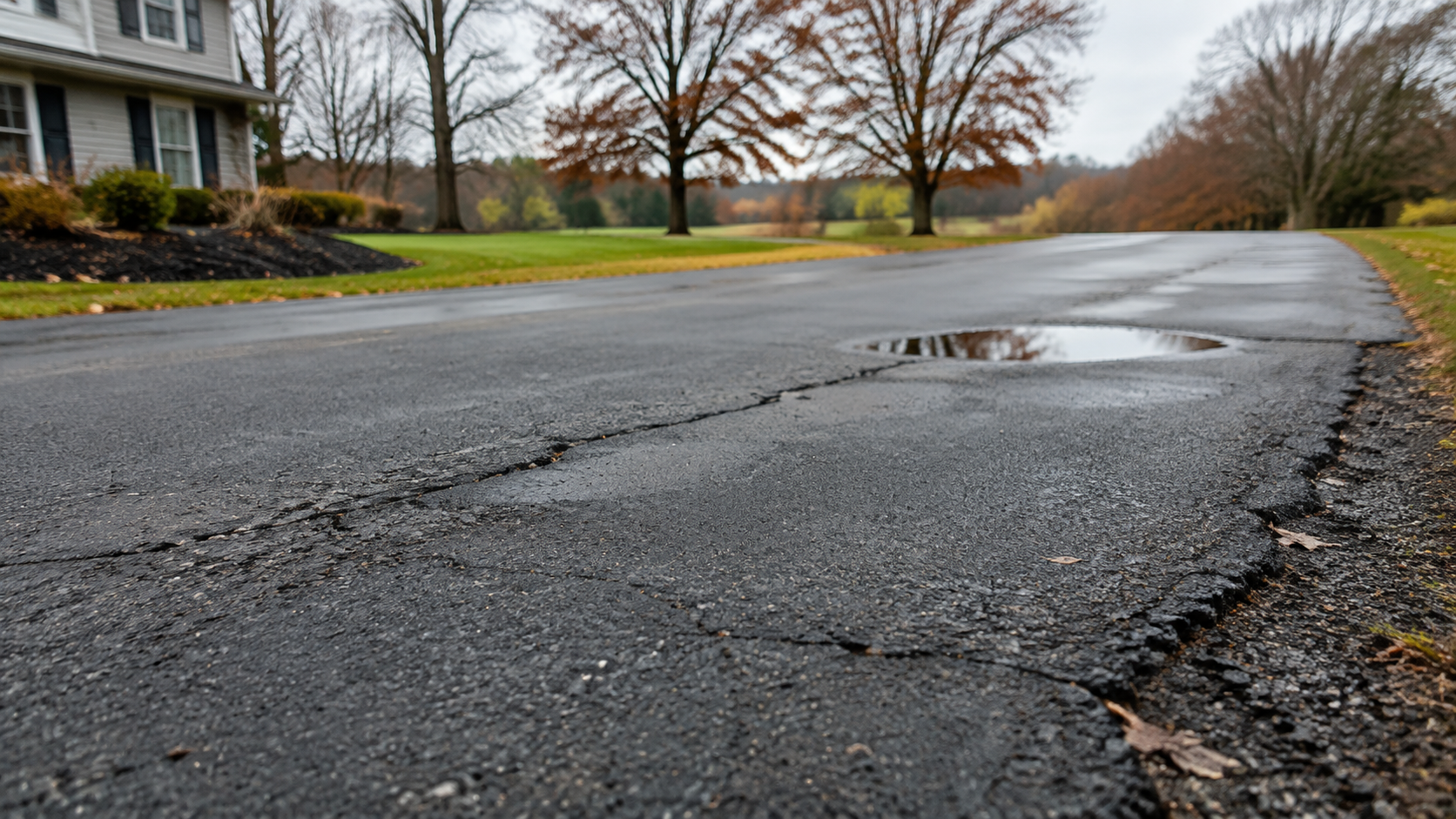
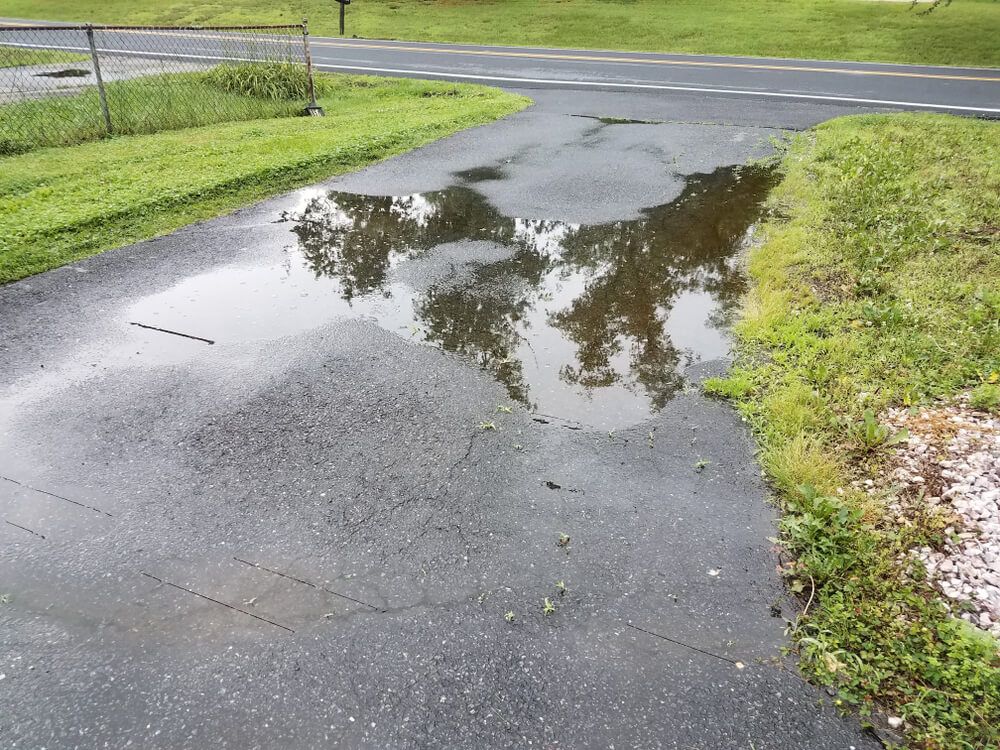
Standing water is one of the clearest signs that driveway grading or drainage needs attention. If puddles remain after normal drying time, the surface may not be shedding water correctly. That water can slowly work into small cracks, soften the base, and create freeze-thaw damage during colder weather.
A common question property owners ask is: can asphalt paving fix standing water by itself? Sometimes minor surface adjustments can help, but if the driveway base or surrounding grade is wrong, paving over the problem may not solve it. The water may return because the land is still directing it to the same low area.
This is why a contractor should look beyond the visible puddle. The real issue may be a low spot, poor slope, compacted soil, clogged drainage path, or driveway edge that needs better support.
If your driveway holds water after rain, CMAyres can review grading and drainage solutions before paving begins.
Base Preparation Supports the Whole Driveway
A strong driveway starts below the asphalt. Base preparation gives the pavement the support it needs to handle vehicles, weather, and daily use. If the base is soft, uneven, or poorly compacted, the finished driveway can settle or crack even if the asphalt was installed neatly.
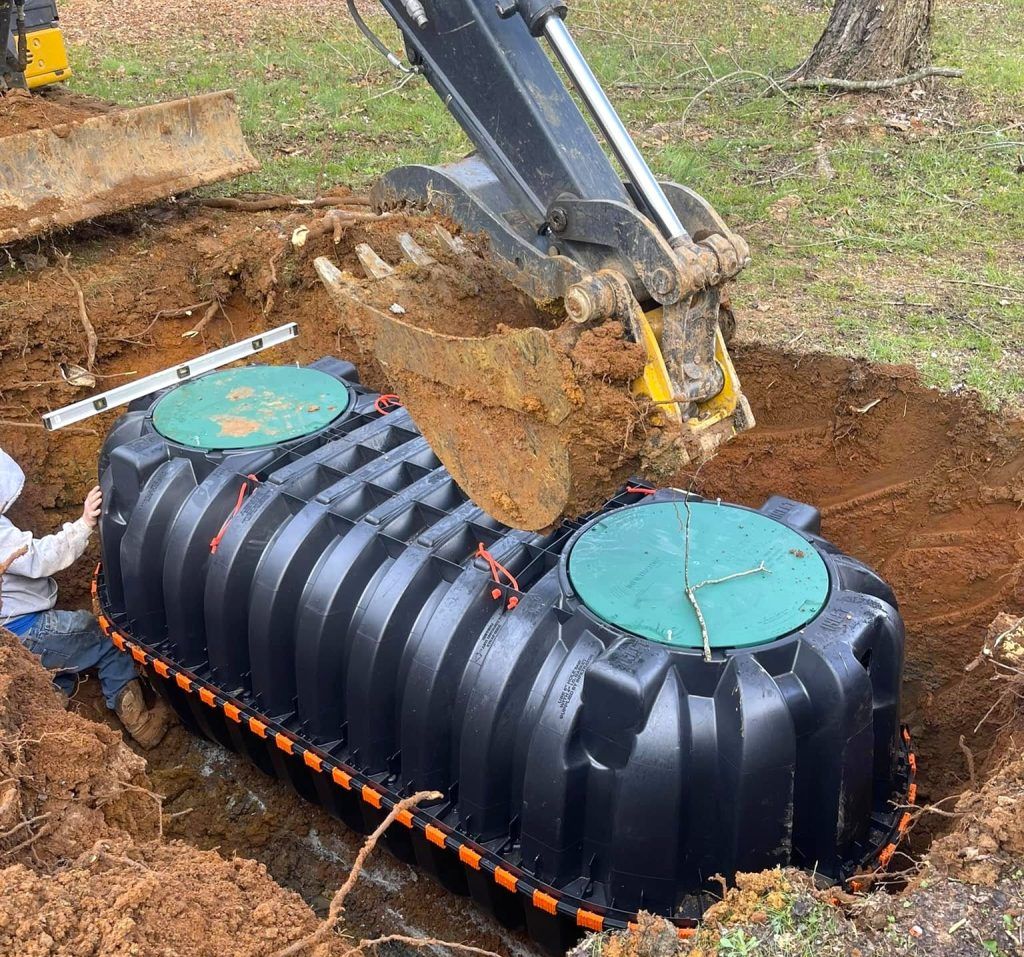
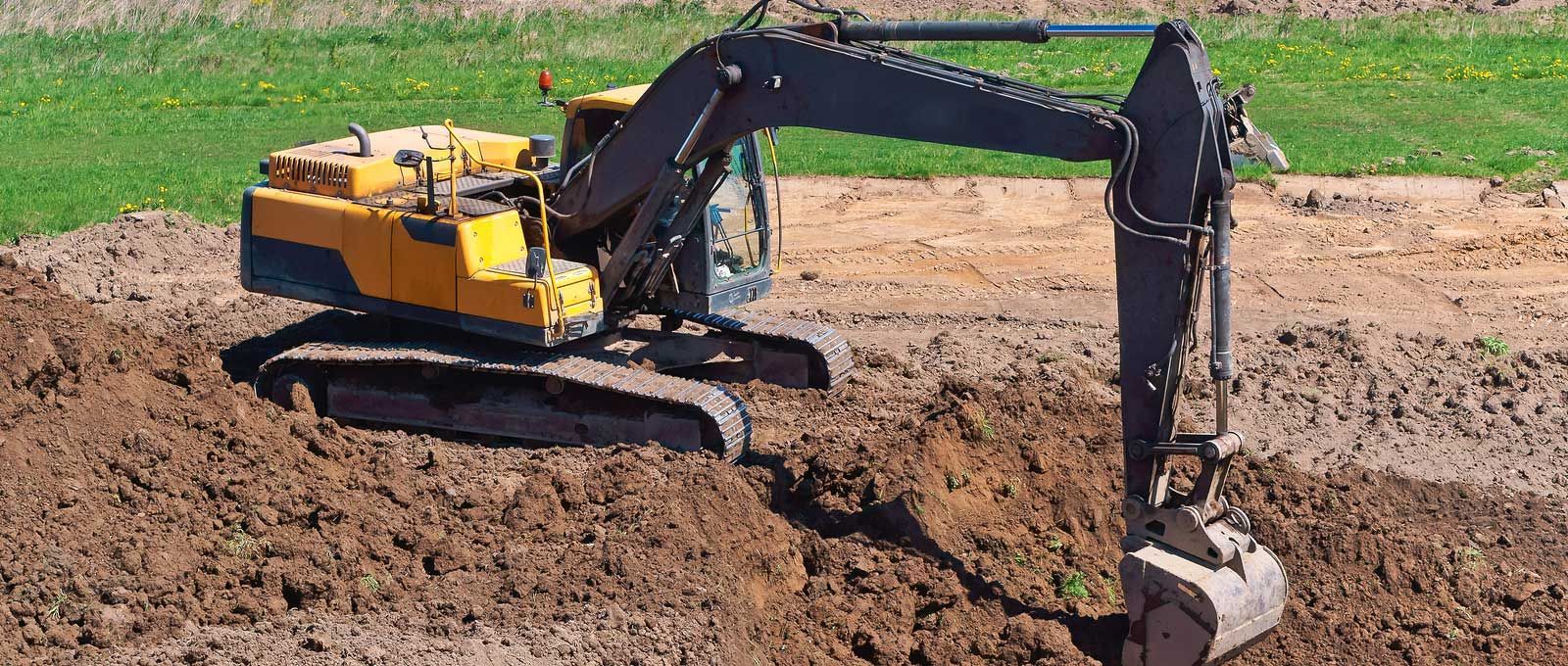
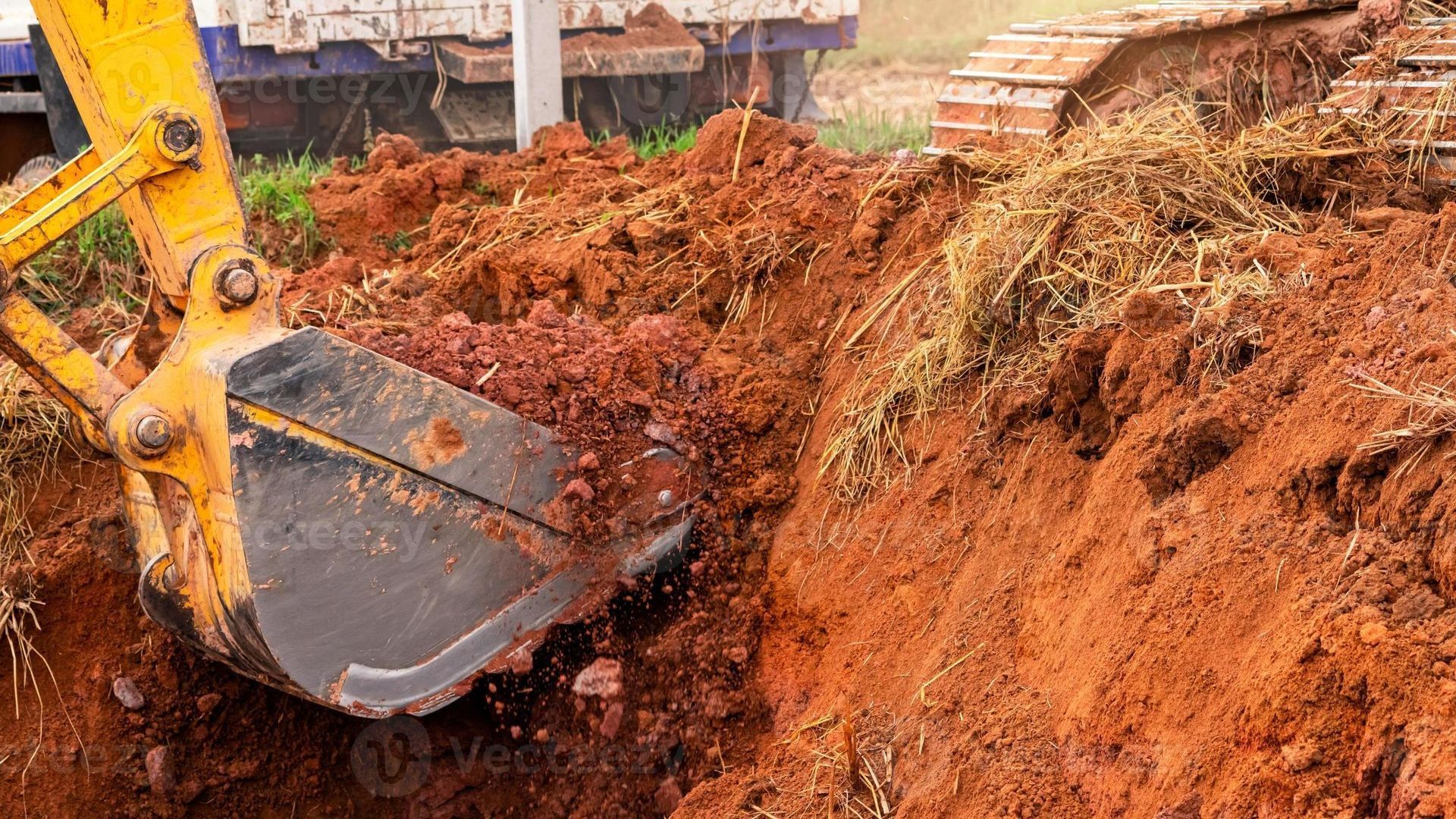
Excavation services may be needed when old pavement, unstable soil, or poor drainage conditions need to be corrected before new paving. In some cases, the driveway area must be shaped, cleared, compacted, and prepared before asphalt can be placed.
Think of the base as the part homeowners do not see but rely on every day. If the foundation under the driveway is weak, the surface above it will eventually show the problem. Proper grading, drainage, and base preparation work together to protect the finished pavement.
How Slope and Drainage Work Together
Slope and drainage are connected. A driveway needs enough slope to move water, but it also needs a safe place for that water to go. Sending water toward the garage, foundation, sidewalk, or neighboring property can create new problems.
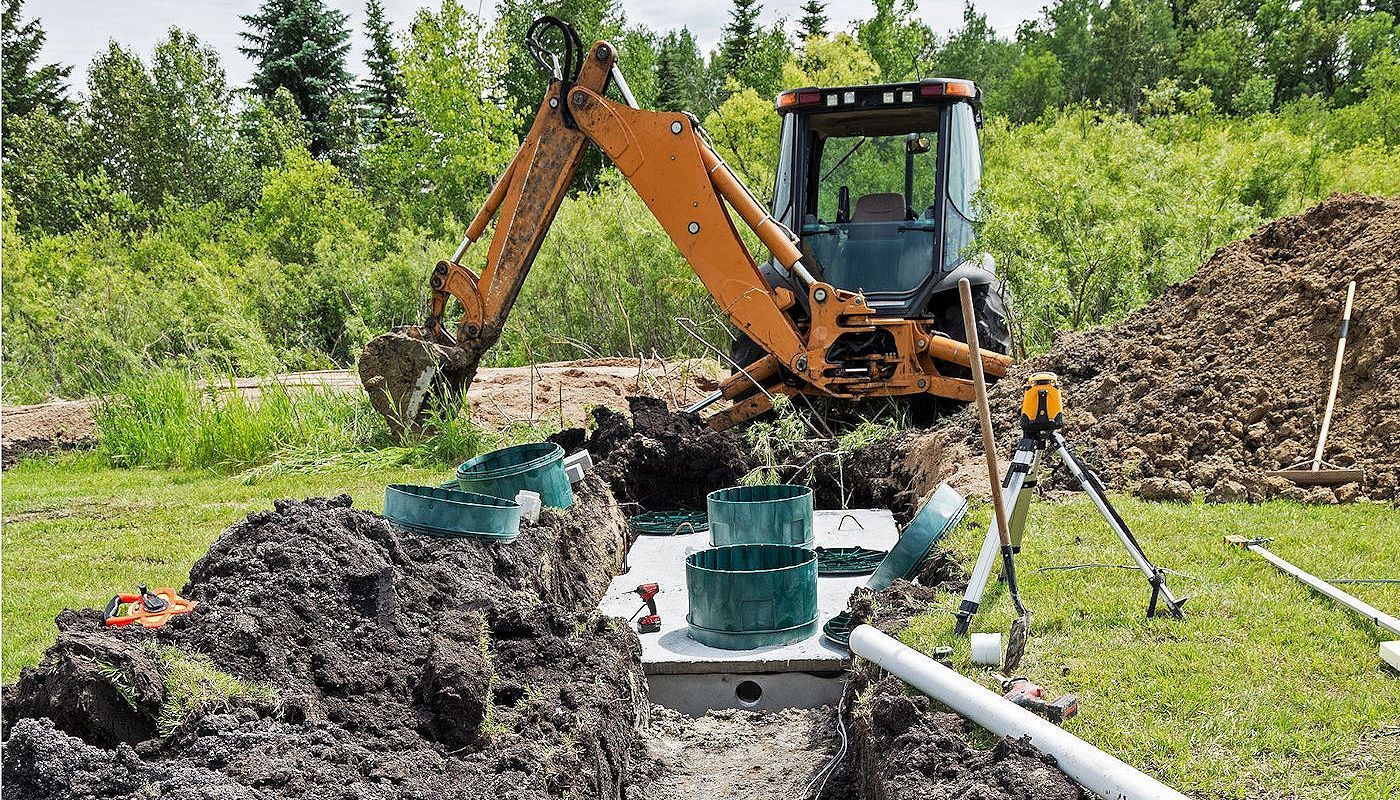
A grading contractor may look at how water moves during rain, where it collects, and whether drainage solutions are needed along the driveway edges. The best approach depends on the property. Some driveways need better grading near the entrance. Others may need excavation around soft areas, swales, or drainage improvements to guide water away from the pavement.
What happens if water flow is ignored? The driveway may start to fail in the same areas again and again. Cracks may widen, edges may crumble, and low spots may become potholes. For property owners, fixing drainage before driveway paving is usually easier than repairing damage after the asphalt has already been installed.
For more complete site preparation support, CMAyres can connect grading, drainage, and excavation services.
Erosion Around Driveway Edges Can Shorten Pavement Life
Driveway edges are often the first areas to show drainage problems. When water runs along the side of the pavement instead of away from it, soil can wash out and leave the asphalt unsupported. Once the edge loses support, it may crack, crumble, or break under vehicle weight.
This can happen slowly. A homeowner may first notice a narrow groove beside the driveway after storms. Later, the edge begins to chip. Eventually, the pavement may break because the base is no longer holding it firmly in place.
Good driveway grading helps reduce that risk by directing water away from weak areas. When needed, drainage solutions and excavation work can also help stabilize the surrounding ground before paving begins.
Why Choose CMAyres for Driveway Grading and Asphalt Paving
CMAyres helps property owners prepare driveways with practical grading, drainage, excavation, and asphalt paving support. The goal is not just to install a new surface. The goal is to understand what the driveway needs before paving so the finished project has a better chance of performing well.
If your driveway has standing water, edge erosion, soft areas, or repeated pavement damage, those signs should be reviewed before new asphalt is installed. A proper evaluation can help determine whether the project needs grading adjustments, base preparation, drainage improvements, or full driveway paving.
Ready to plan a stronger driveway project?
Call CMAyres today or
request service. You can also
learn more about professional paving options.