Septic Tank Installation Planning Before a Fall Construction Schedule
Septic Tank Installation Planning Before a Fall Construction Schedule
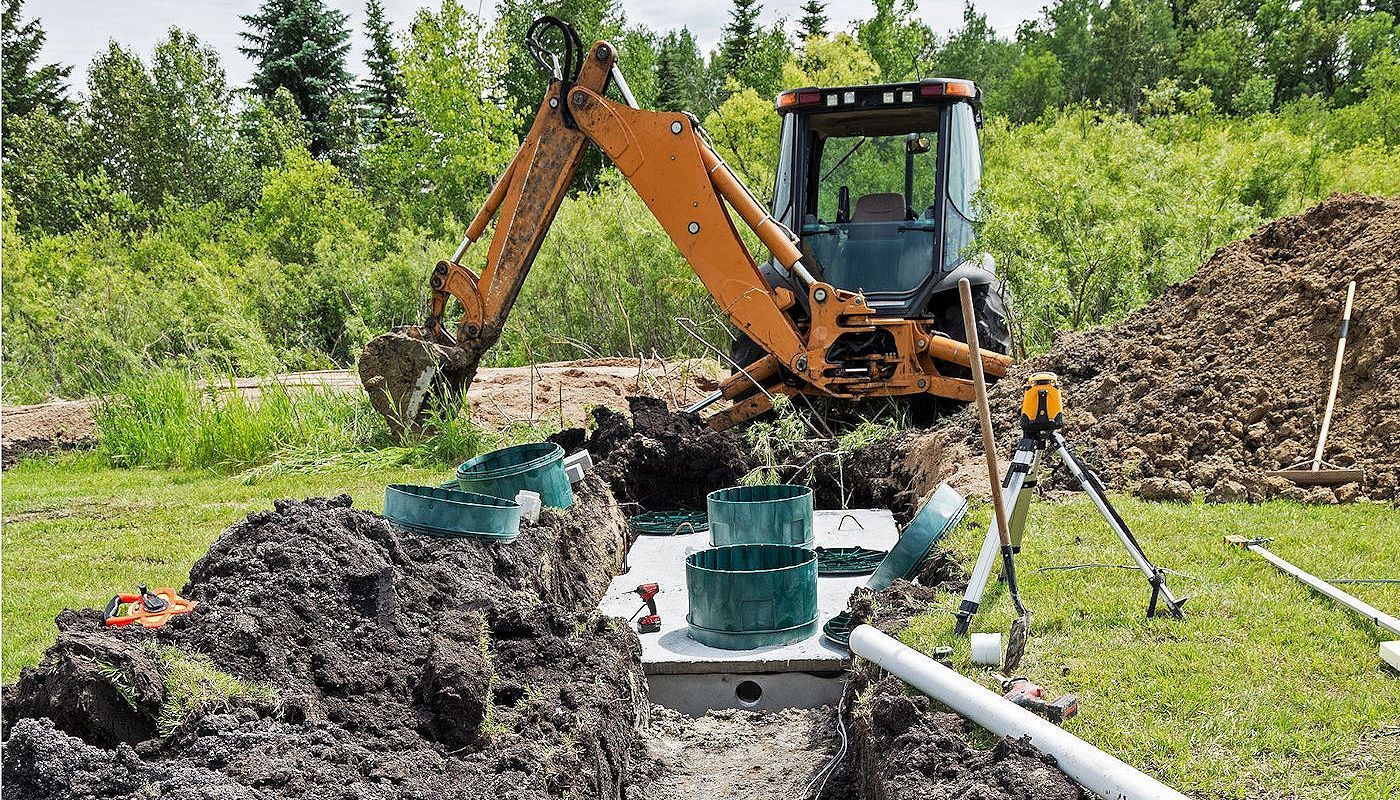
Septic tank installation should be planned before a fall construction schedule begins, especially when the project depends on permitting, excavation, site preparation, equipment access, and coordination with other contractors. Fall can be a practical time to move construction forward, but septic work needs more than an open date on the calendar. The property has to be evaluated, local requirements have to be addressed, and the site needs to be ready before digging begins.
For property owners in Shrewsbury, Southern York County, and nearby Maryland areas, early planning can help reduce avoidable pressure. A septic system contractor may need to review soil conditions, access routes, grading needs, drainage concerns, and where the system can be placed in relation to the home, driveway, utilities, and future construction.
CMAyres helps property owners approach septic work as part of the full site plan, not as a separate task added after the schedule is already crowded. Homeowners who are preparing for this kind of work can review Septic Installation Service while thinking through the larger questions of access, excavation, timing, and site readiness.
Why Septic Planning Should Start Before the Fall Schedule Gets Tight
A septic project affects more than one area of a property. The system location, excavation access, soil conditions, grading, and construction sequence all need to work together. If those details are handled too late, the septic portion of the project can slow down other work that depends on a prepared site.
This is especially important when a new home, addition, driveway, utility trench, or larger site improvement is also planned. Crews may need room for equipment, material staging, spoil handling, and safe movement around the work area. If the site is crowded or the order of work is unclear, the project can become harder to manage once fall weather and contractor schedules are involved.
Should septic planning happen before or after other site work? In most cases, it should be discussed early. Even when the installation happens later in the schedule, septic placement can influence grading, driveway access, excavation paths, and the way the rest of the construction site is organized.
Permitting and Approvals Need Time, Not Assumptions
Septic tank installation often involves local requirements, site evaluations, and approval steps before work can move forward. Property owners should not assume that a contractor can simply arrive and begin digging. The exact process can vary by jurisdiction, property conditions, system type, and the agencies involved.
This is why the planning stage should not promise approvals or fixed timelines without verification. A septic system contractor can help property owners understand what information may be needed, but approvals are handled through the appropriate local or state authorities.
For homeowners still gathering the basics, CMAyres has already covered early septic considerations in What to Know Before Starting a Septic Tank Installation Project. That related article can help frame the questions to ask before the fall schedule becomes urgent.
Site Evaluation Helps Determine What the Property Can Support
Before septic work begins, the property itself has to be understood. Site evaluation may consider soil conditions, slope, drainage patterns, existing structures, utilities, access points, and how the septic system fits into the overall layout. These details help determine what is realistic before excavation starts.
A flat, open property may have different planning needs than a sloped lot, a wooded property, or a site with limited access from the road. In Southern York County and nearby Maryland areas, properties can vary by terrain, drainage, and available work space, so the site should be reviewed instead of handled with a one-size-fits-all plan.
What happens if site conditions are not reviewed early? The project may run into access issues, unsuitable work areas, grading conflicts, or sequencing problems. A better approach is to evaluate the property first, then connect septic planning with excavation and site preparation.
Access Planning Matters Before Equipment Arrives
Septic installation requires room for excavation equipment, delivery vehicles, materials, and safe movement around the work area. If access is tight, blocked, wet, steep, or not planned correctly, the work can become more difficult once the schedule is already underway.
Property owners should think about how crews will reach the septic area, where trucks can enter, and whether other contractors will need the same access during the fall construction schedule. It also helps to consider fences, trees, landscaping, temporary storage, overhead lines, and existing driveways before the project begins.
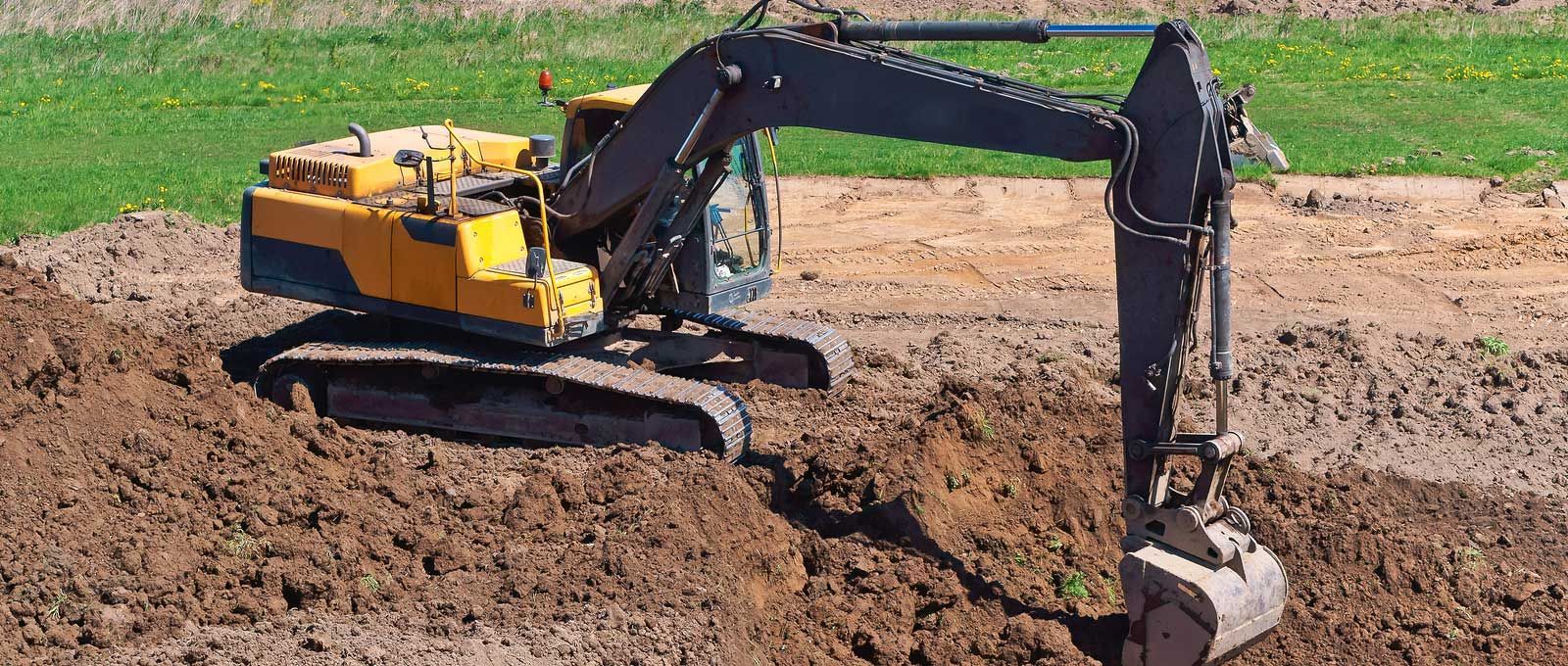
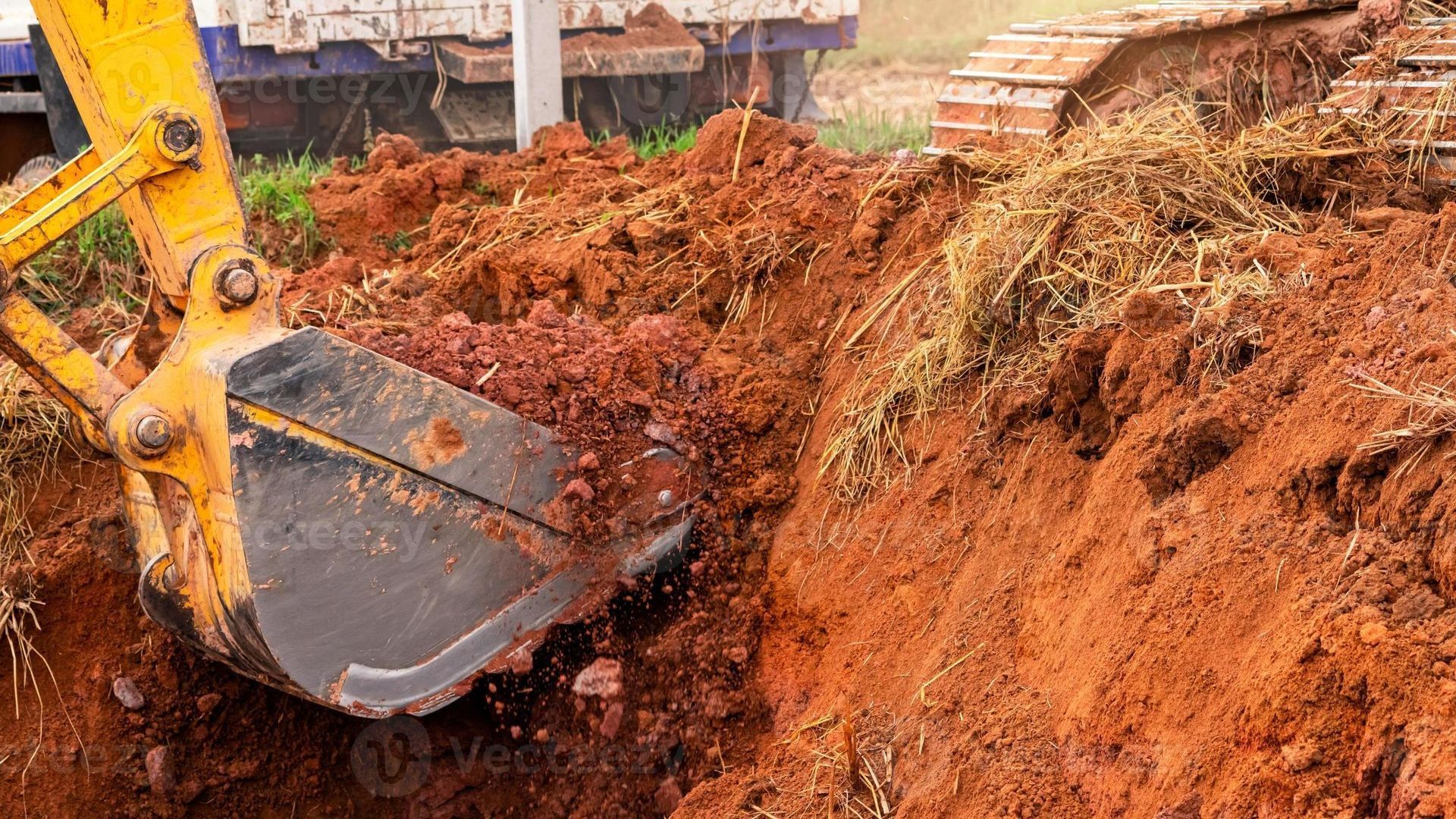
When digging, trenching, or equipment movement needs to be coordinated with other site work, Excavation Service belongs in the same planning conversation as the septic layout. That keeps the focus on how the site will function when crews, materials, and machinery are all present.
Grading and Drainage Can Affect the Long-Term Plan
A septic system should not be planned without thinking about water movement around the property. Grading and drainage influence how the site performs during rain, how construction areas stay usable, and how the finished property handles surface water over time.
A grading contractor may need to review slope, low areas, soil disturbance, and how water moves around the planned work zone. If drainage is ignored, water may collect where crews need to work or create erosion around newly disturbed areas. Site preparation helps reduce those problems before they interfere with the project.
Does grading always happen before septic installation? The answer depends on the project. Some grading may need to happen before equipment can access the area. Other grading may happen after installation to restore or shape the site. The important part is that grading, drainage, and septic work are coordinated rather than treated as separate decisions.
Related site delays often come from small planning gaps, and Site Preparation Problems That Delay Construction Projects gives property owners more context on why preparation should happen before the schedule is already under pressure.
Sequencing Helps Keep Septic Work From Delaying the Project
A fall construction schedule can include several moving parts. Septic work may need to coordinate with excavation, driveway access, foundation work, utility trenches, drainage improvements, or final grading. If those steps happen in the wrong order, crews may have to redo work or wait for another part of the site to be ready.
Sequencing helps answer practical questions. What needs to happen before the septic area is opened? Which areas must stay accessible? Where will excavated material go? When should grading happen? How will weather affect the work area if rain arrives during the schedule?
This is where Site Preparation Service becomes more than a general service page. For septic projects tied to larger construction plans, it helps connect access, grading, excavation, cleanup, and work flow before the project gets too crowded.
Coordination Keeps Contractors Working From the Same Plan
A septic project may involve more than one contractor or decision-maker. Builders, excavation companies, grading crews, utility providers, inspectors, property owners, and septic professionals may all need accurate information. When those conversations happen separately, details can get missed.
The property owner should know who is responsible for each step, what needs approval before work starts, and how site access will be protected during the project. If a driveway, foundation, or utility trench is also part of the fall schedule, those details should be coordinated before equipment arrives.
A simple planning conversation can prevent confusion later. It helps confirm which areas need to stay open, where materials should be staged, and what work must happen before the next crew can move forward.
Why Choose CMAyres for Septic and Site Preparation Planning
CMAyres helps property owners plan septic tank installation with attention to excavation, site preparation, grading, access, and construction sequencing. The goal is not to promise approvals or oversimplify the process. The goal is to help the property owner understand what needs to be reviewed before the fall construction schedule begins.
For projects in Shrewsbury, Southern York County, and nearby Maryland areas, early coordination can make the difference between a project that feels organized and one that becomes stressful once equipment, weather, and contractors are all involved. A clear plan helps septic work fit into the full site, from access and excavation to grading and final preparation.