
What shapes the scope of asphalt paving in Baltimore?
The cost and scope of an asphalt paving project cannot be determined accurately from surface dimensions alone. Two driveways or parking areas of similar size may require very different preparation depending on drainage, soil conditions, existing pavement, access and intended traffic.
For property owners researching asphalt paving in Baltimore, MD, understanding these factors makes it easier to evaluate an estimate and compare proposed solutions. The visible asphalt is only the final layer of a project that may also involve demolition, excavation, grading, base installation and drainage improvements.
A reliable paving proposal should connect the finished surface with the site conditions beneath and around it. That is why an on-site evaluation is usually necessary before the project scope can be finalized.
The type of property establishes the basic requirements
Residential driveways and commercial parking areas are both paved with asphalt, but they do not necessarily require the same design.
A residential driveway may primarily support passenger vehicles and occasional deliveries. A commercial surface may experience frequent traffic, delivery trucks, turning movements or designated parking patterns.
The contractor should understand how the pavement will be used rather than assuming that every paved surface has the same structural needs.
Residential driveway considerations
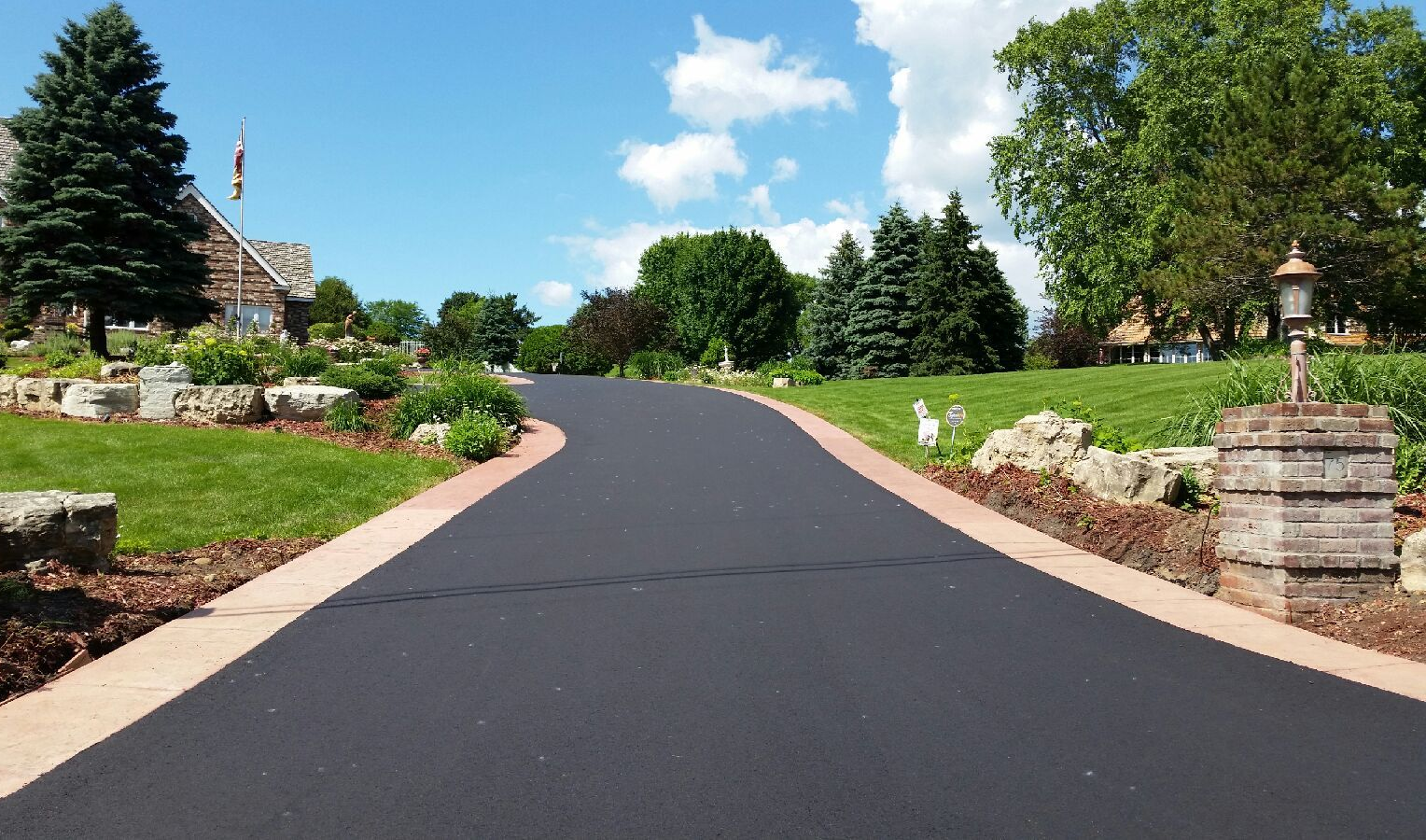
A driveway should provide dependable access between the street, parking area and home. Its width, turning space, slope and connection to the garage can all influence the layout.
The contractor should also consider where vehicles normally park and whether they repeatedly travel over the same sections. Narrow edges and unsupported areas may require additional attention if tires frequently approach the pavement perimeter.
C.M. Ayres’ asphalt driveway installation services explain the preparation, grading, base installation and compaction involved in a new residential driveway.
Commercial paving considerations
Commercial pavement must support the property’s daily operations. Vehicle volume, delivery routes, loading areas, accessibility and traffic flow can all influence the project.
The work may also need to be divided into phases so customers, tenants, employees or delivery vehicles can continue reaching the property.
C.M. Ayres provides commercial asphalt paving for parking areas, driveways, private roadways and other frequently used paved surfaces.
Existing pavement conditions affect the starting point
An asphalt project may begin with soil, gravel, an older paved surface or a combination of materials. Each condition creates a different scope.
A site with no existing pavement may require clearing, excavation and full base construction. An older asphalt surface may need to be removed, milled, repaired or evaluated for possible resurfacing.
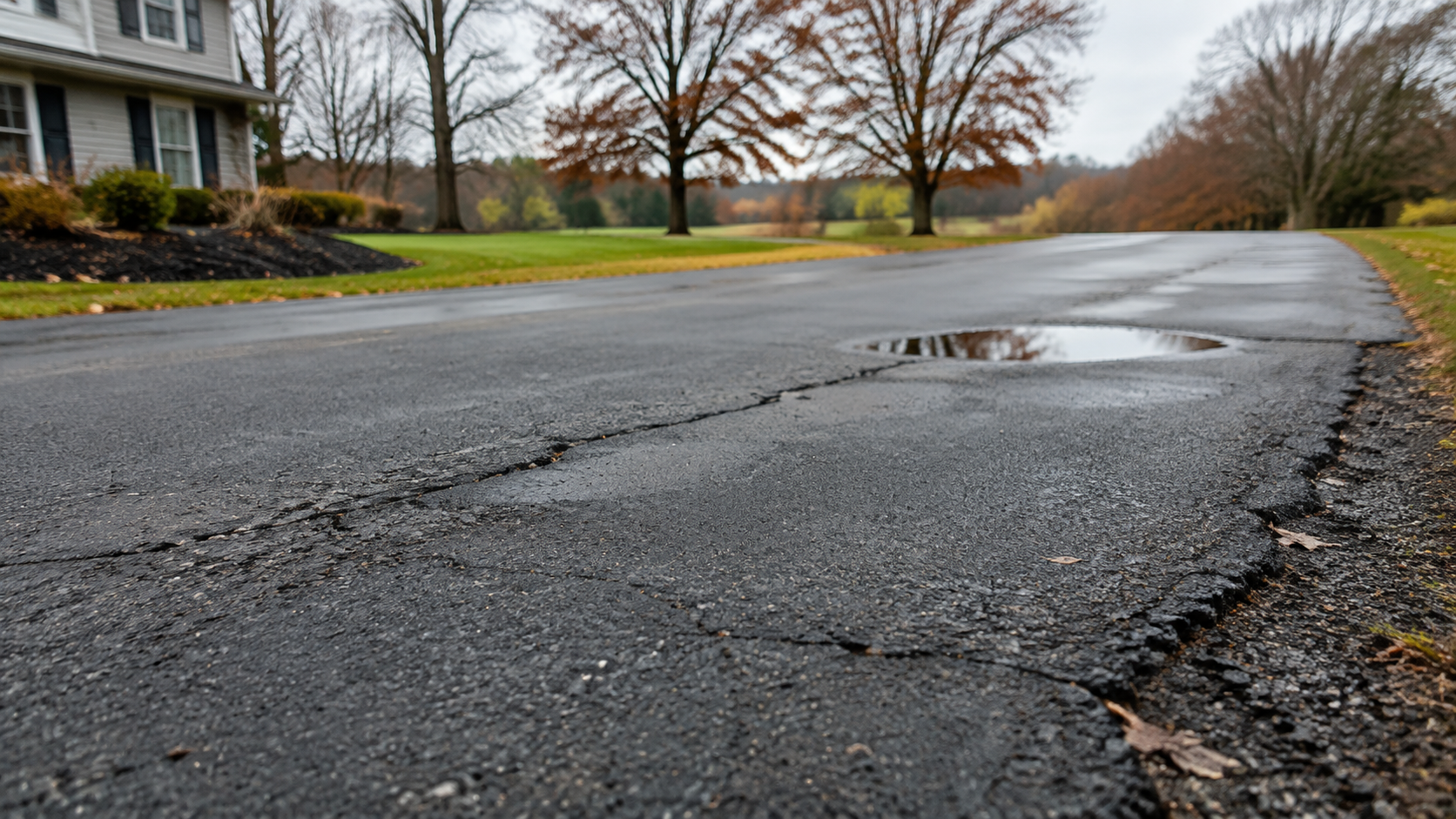
The decision should not be based only on surface appearance. Cracks, depressions and uneven areas can indicate concerns involving the pavement structure, base or drainage.
Covering a weakened surface without addressing the underlying condition may transfer the same problems into the new pavement.
Repair, resurfacing and replacement are different scopes
Property owners sometimes request a new paved surface when a more limited service may be appropriate. In other situations, maintenance or resurfacing may not be enough.
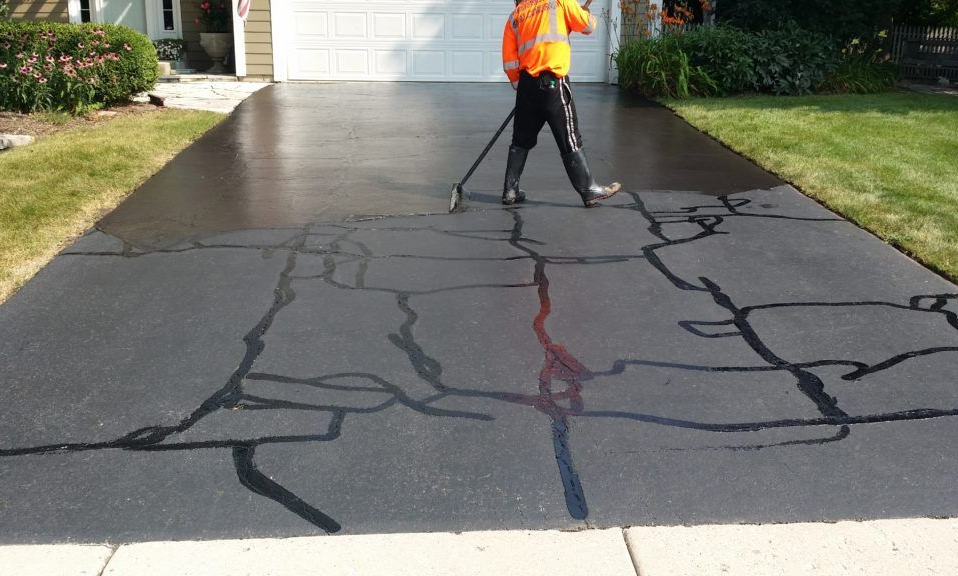
Repairs generally address defined areas. Resurfacing adds a new asphalt layer over an existing pavement structure that remains suitable to support it. Full replacement involves removing the existing surface and rebuilding the pavement as necessary.
A site evaluation helps determine which approach matches the condition of the property. Widespread cracking, movement, repeated failures and drainage problems may point toward a more substantial scope than isolated surface wear.
The estimate should clearly identify the proposed approach so the property owner is not comparing a repair proposal with a full replacement proposal as though they were equivalent.
Excavation can significantly change the project
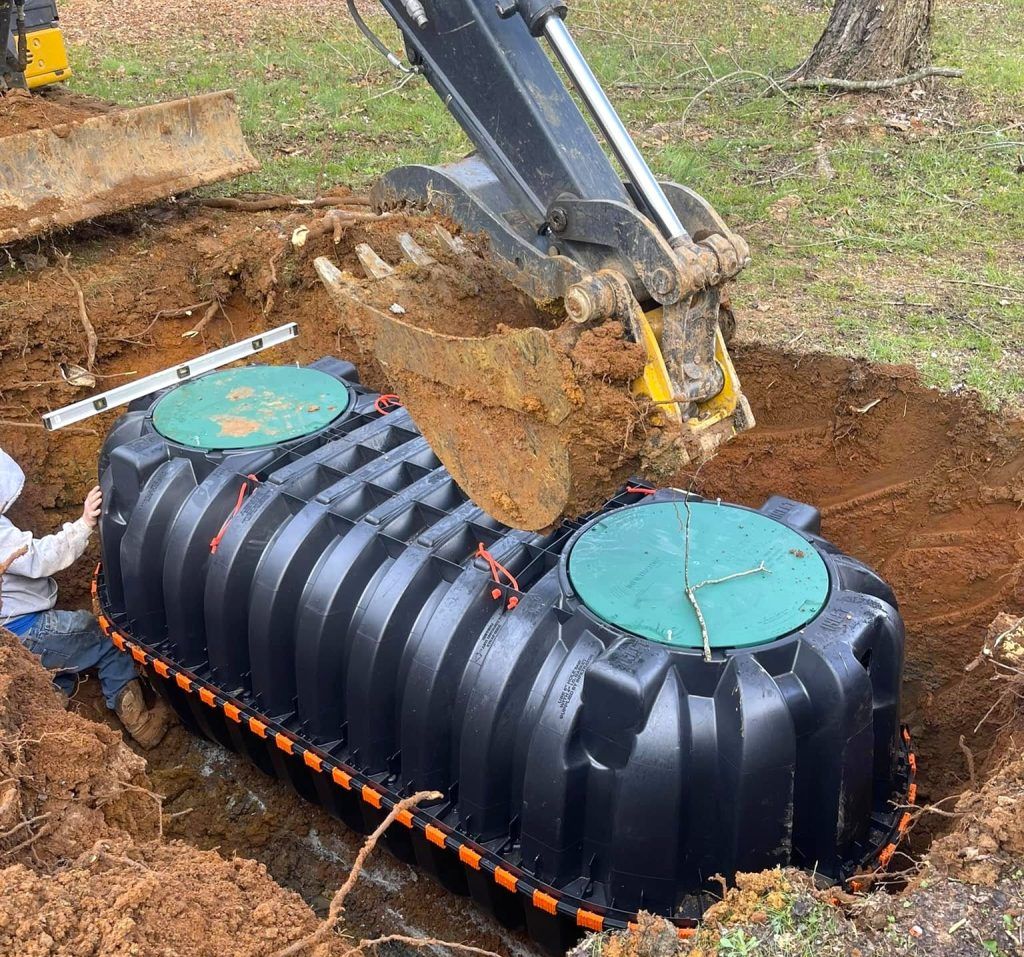
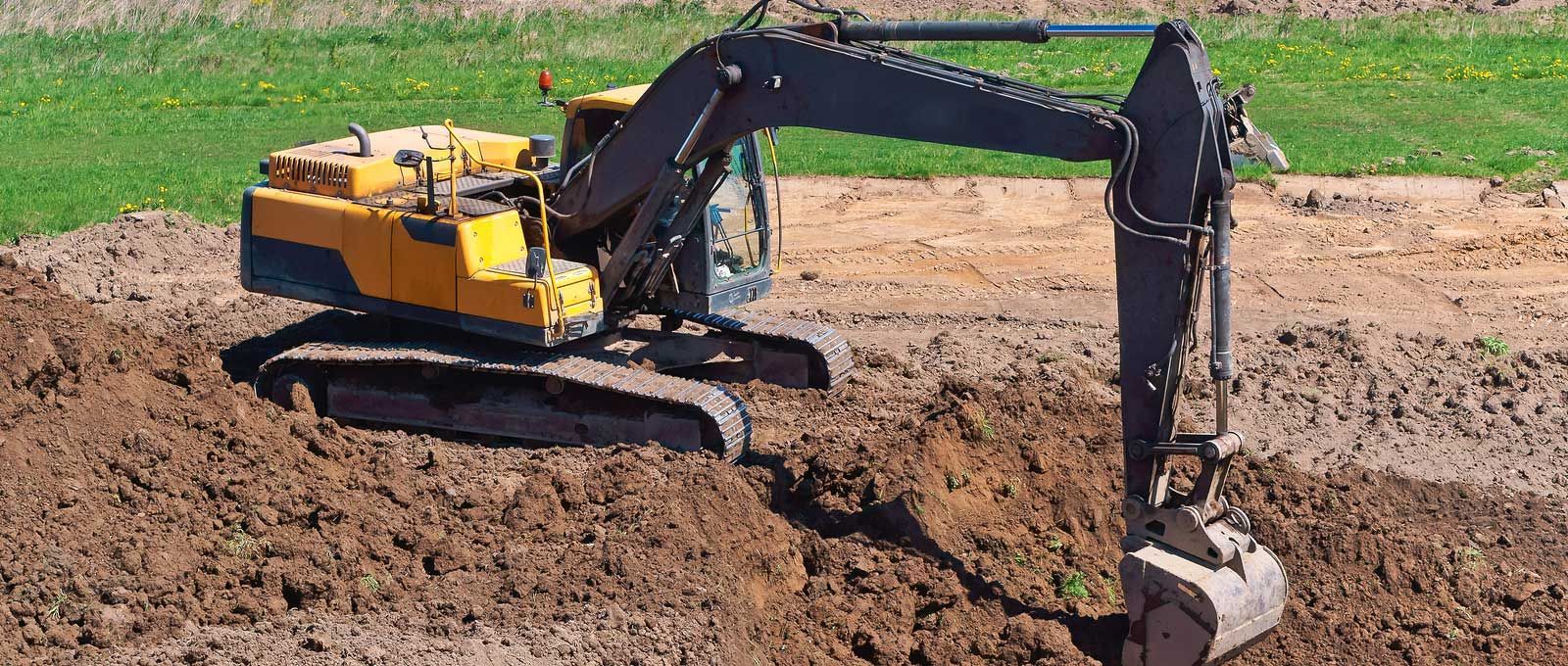
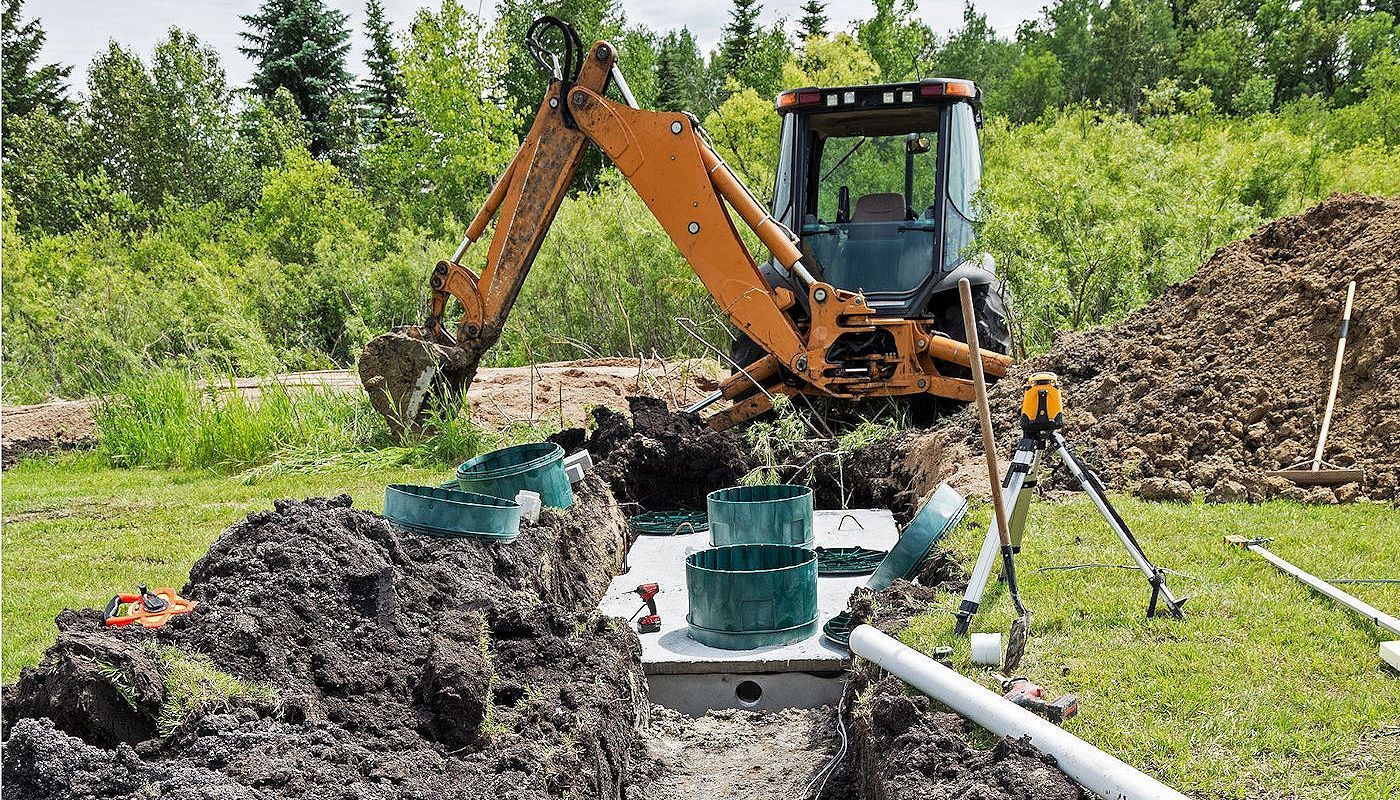
Excavation is required when unsuitable material, vegetation, existing pavement or excess soil must be removed before the base can be prepared.
The depth and extent of excavation depend on the site and planned pavement use. A previously unpaved area may require more preparation than an established driveway with a stable foundation.
Buried concrete, construction debris, undocumented utility work or inconsistent fill can also affect the project after work begins. The contractor should explain how concealed site conditions will be documented and approved if they require work outside the original estimate.
C.M. Ayres offers site evaluation and pavement consultation services to help define these conditions before the project moves forward.
The subgrade must support the pavement
The subgrade is the prepared ground beneath the aggregate base and asphalt. Its stability affects how well the completed surface responds to traffic and seasonal conditions.
Soft, wet or disturbed soil may not provide dependable support without additional preparation. If the subgrade moves or settles unevenly, the pavement above it can develop depressions, cracks or other visible problems.
A contractor may need to remove unsuitable material, improve drainage or adjust the base design. These decisions can change the amount of labor and material required, but they are important to the pavement’s long-term performance.
Stone base preparation shapes durability
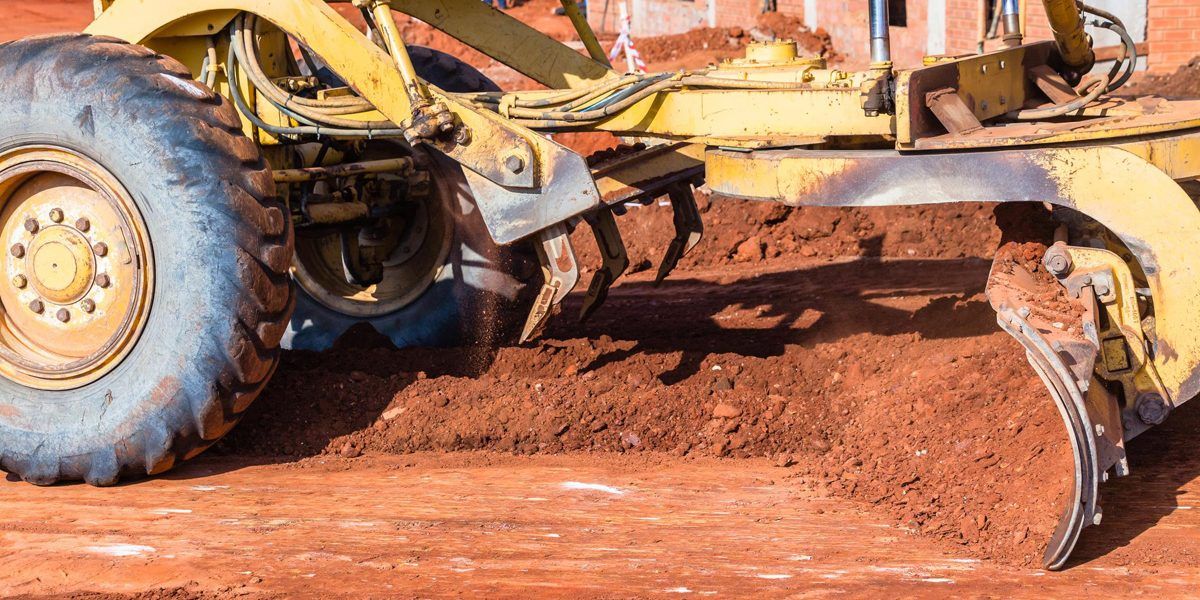
The stone base distributes loads and creates a stable platform for the asphalt layers. Its depth, aggregate, placement and compaction should reflect the property and expected use.
A commercial area supporting heavier vehicles may need a different base design from a residential driveway used by passenger vehicles. Existing base material should also be evaluated rather than automatically assumed to be reusable.
C.M. Ayres’ stone base installation services address site assessment, excavation, grading, aggregate placement and layered compaction.
The estimate should explain whether the project includes a new base, improvements to an existing base or preparation limited to selected areas.
Planning a driveway, parking area or other asphalt surface in Baltimore?
Request an asphalt paving estimate from C.M. Ayres
Grading determines how water moves
Water should not remain on the pavement or repeatedly collect along its edges. The project must establish elevations and slopes that direct runoff toward an appropriate location.
The contractor should evaluate how water currently moves across the property, including runoff from buildings, adjoining pavement, lawns and neighboring higher areas.
A new surface can change those patterns. Correcting one low spot without considering the surrounding site can send water toward another vulnerable area.
Drainage near residential driveways
Residential driveways often connect several elevations: the street, garage, yard and nearby walkways. The paving plan must manage those transitions without directing water into the garage or toward the home.
Downspouts and roof runoff should also be reviewed. Water repeatedly crossing the driveway or entering pavement edges can contribute to maintenance concerns.
Drainage across commercial pavement
Commercial sites may include larger paved areas, storm drains, curbs and adjoining loading zones. The grading plan should support traffic while directing water away from entrances and frequently used pedestrian routes.
If drainage improvements or curb work are required, those responsibilities should be identified before paving begins.
Driveway size and layout influence more than material quantity
A larger surface generally requires more material, labor and equipment time, but total square footage is not the only layout consideration.
Long narrow driveways, irregular parking areas and tight turning zones may require different installation planning. Transitions to garages, roads, walkways and other paved surfaces must also be finished appropriately.
The design may need additional width where vehicles turn or park. A driveway that is too narrow for normal vehicle movement can lead drivers to travel over unsupported edges or surrounding lawn.
Layout decisions should therefore reflect how vehicles enter, turn, park and leave—not simply the smallest area that can be paved.
Site access affects equipment and material delivery
Paving requires coordinated access for trucks, grading equipment, compactors and paving machinery. A site with open access may be more straightforward than one reached through a narrow drive, restricted entrance or active commercial area.
Overhead wires, gates, parked vehicles, landscaping and neighboring property can also affect equipment movement.
The contractor should identify the planned access route and any areas that need to remain clear. Commercial properties may need temporary traffic control or phased work to maintain essential access.
Restricted access does not necessarily prevent paving, but it can influence labor, equipment selection and scheduling.
HAsphalt thickness should reflect pavement use
Asphalt is installed and compacted according to the intended design. The appropriate pavement structure depends on expected traffic, base conditions and other site requirements.
A residential driveway does not automatically need the same asphalt configuration as a parking area serving delivery vehicles. Likewise, a frequently used commercial entrance may require different planning from a lightly traveled section.
Rather than comparing estimates only by the amount of asphalt listed, property owners should ask how the proposed pavement design corresponds with actual use.
The contractor should be able to explain whether the estimate includes one or more asphalt courses and how the completed thickness will be achieved after compaction.
Demolition and material removal affect the estimate
If an existing surface must be removed, the proposal should identify what will happen to the old material.
Breaking, loading, hauling and disposing of asphalt, concrete or unsuitable base material add work to the project. The amount and type of material can affect equipment needs and trucking.
The proposal should also clarify whether existing curbs, borders, drainage components or adjoining surfaces will remain. Removing only the asphalt while leaving other features intact requires careful coordination around those boundaries.
Clear demolition details reduce the risk of discovering that one estimate excludes work another contractor included.
Edges and transitions require deliberate planning
Asphalt edges can be vulnerable when they lack support or meet unstable soil. The contractor should explain how the perimeter will be finished and whether adjoining material will provide support.
Transitions at the street, garage, sidewalk or existing pavement should also be included in the scope. These areas affect how vehicles enter the driveway and how water crosses from one surface to another.
Commercial projects may require additional coordination around curbs, gutters, drainage structures and pavement markings.
A smooth main surface does not compensate for poorly planned edges or abrupt transitions.
Project scheduling depends on more than the paving day
The on-site installation may appear to be the primary event, but the complete schedule can include evaluation, proposal approval, utility coordination, demolition, excavation, base work and asphalt placement.
Weather and material conditions can affect paving schedules. Commercial properties may also need work completed in phases or during lower-traffic periods.
Property owners should ask when vehicles must be removed, how long access will be restricted and when the finished surface can be used.
These details should be confirmed near the scheduled date because site and weather conditions may change after the original estimate.
What should a paving estimate explain?
A useful estimate should identify the project boundaries and major construction responsibilities. It should explain whether the work includes removal, excavation, grading, base preparation, asphalt installation and cleanup.
The proposal should also describe important assumptions about drainage, access and existing conditions. If pavement markings, curbs or restoration are required, confirm whether they are included.
Property owners should compare the actual scopes rather than choosing an estimate based solely on the final number. One contractor may be pricing a new base and drainage correction while another assumes the current foundation can remain.
How paving priorities affect the investment
Not every project needs every available improvement. The goal is to address the conditions that affect use and performance while aligning the scope with the property owner’s priorities.
A residential homeowner may focus on reliable garage access, appearance and drainage. A commercial owner may prioritize traffic capacity, operational phasing and clearly organized parking.
If the complete project must be divided, the contractor should explain which work needs to happen first. Drainage, grading and base concerns generally should be resolved before surface improvements intended to last.
Financing may also be considered for larger projects. C.M. Ayres provides information about available paving project financing.
Review the completed pavement
At project completion, confirm that the paved boundaries match the approved scope and that transitions and edges have been finished as agreed.
The contractor should explain any initial-use restrictions and provide relevant maintenance guidance. Keep the proposal, approved changes, invoice and project documentation together.
Observe how water moves during future rainfall, but do not attempt to test or alter the new surface before the contractor says it is ready for normal use.
Any unresolved items should be documented during the final review rather than left as general verbal promises.
Plan asphalt paving in Baltimore with C.M. Ayres
The scope of an asphalt project is shaped by more than area and material quantity. Existing pavement, subgrade stability, stone base preparation, drainage, traffic, access and demolition can all influence the appropriate solution.
C.M. Ayres provides residential and commercial asphalt paving services for Baltimore County and surrounding Maryland areas. The team evaluates the property and intended use before developing a paving recommendation and estimate.
Request a free estimate from C.M. Ayres
Related asphalt paving resources
- Residential paving services
- Asphalt driveway installation
- Commercial asphalt paving
- Stone base installation
- Pavement consultation services
- Why grading and drainage matter before paving