
Towson Driveway installation: A Planning Timeline From Consultation to Completion
A new asphalt driveway requires more planning than selecting a paving date. The contractor must evaluate the property, define the layout, determine how water will move, prepare the foundation and coordinate equipment access before the asphalt is installed.
For homeowners researching driveway installation in Towson, MD, understanding this timeline makes it easier to prepare for the project and evaluate the proposed scope.
The complete schedule will depend on the driveway’s size, existing surface, drainage, soil conditions and property access. A new driveway on an unpaved area may require different preparation from replacing an older asphalt surface.
The following timeline explains the decisions that generally occur between the initial consultation and final project review.
Begin by defining what the driveway needs to accomplish
Before the consultation, consider how the driveway is currently used and what needs to improve.
A homeowner may need more parking, a safer approach to the garage, better drainage or a smoother connection to the street. Another property may need a turnaround area because backing into traffic is difficult.
These priorities affect the layout. The smallest paved area is not always the most functional option if vehicles cannot turn, open doors or move around parked cars comfortably.
Homeowners should also mention expected changes. A future garage, home addition, gate or walkway could influence the driveway’s placement and dimensions.
C.M. Ayres provides residential paving services that include driveway design, installation, resurfacing and maintenance.
Schedule the consultation and site evaluation
The contractor needs to see the property before confirming the installation scope. Photographs and approximate measurements can start the conversation, but they may not reveal grade changes, access limitations or underlying conditions.
During the site visit, show the contractor where water collects, where vehicles currently travel and whether sections of the existing surface have settled or cracked repeatedly.
The evaluation should consider:
- Current driveway dimensions and condition
- Connections to the street and garage
- Property slopes and drainage
- Soil or existing base conditions
- Construction access and nearby features
These observations help the contractor determine whether the project requires a completely new installation, replacement of existing pavement or another paving service.
Decide whether the existing driveway can remain
If the property already has an asphalt driveway, the contractor must determine what can be retained.
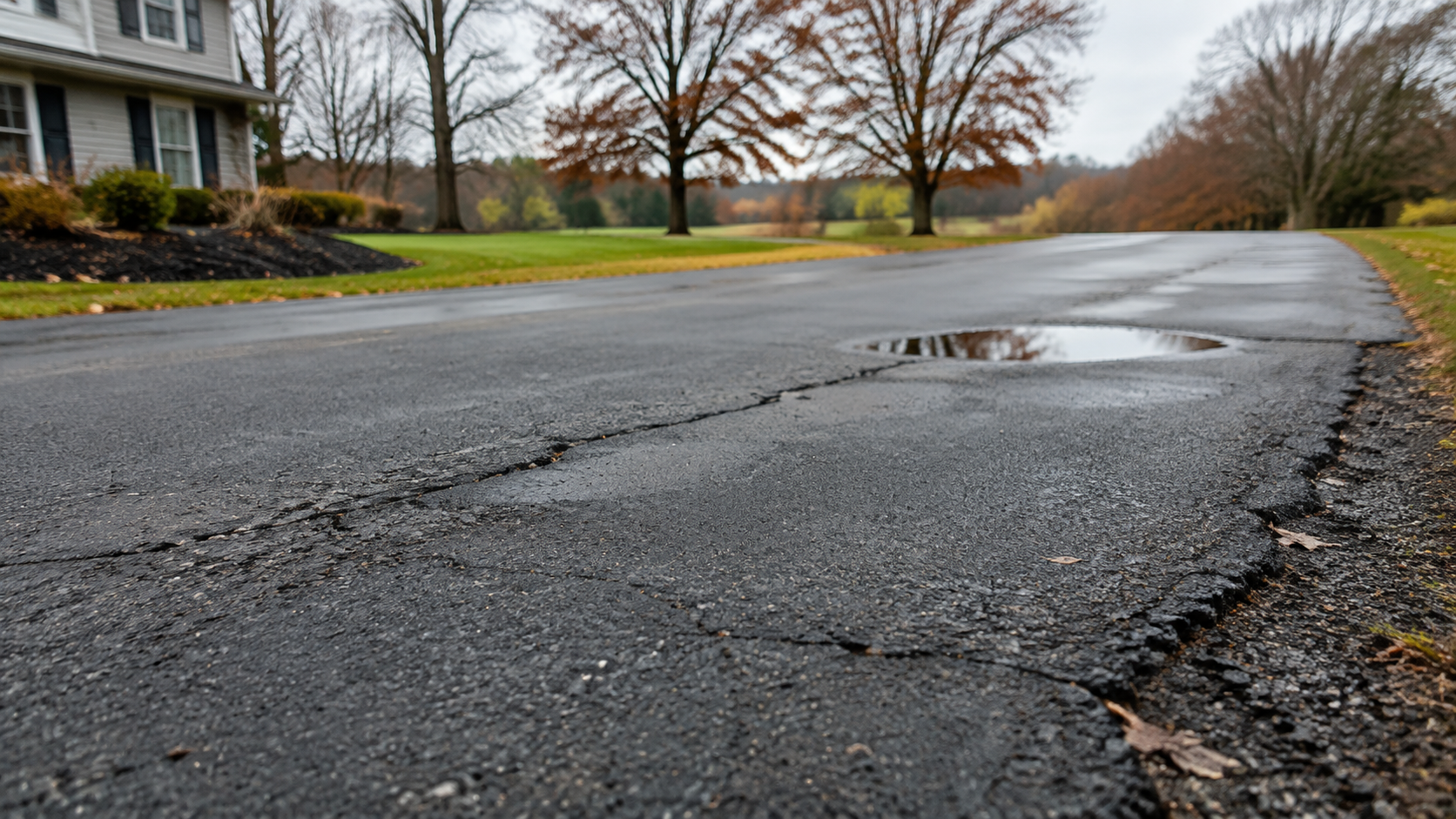
A worn surface does not always require complete removal. If the underlying structure remains suitable, resurfacing may be considered. However, widespread cracking, depressions, movement or repeated failures can indicate that the pavement or base needs more extensive work.
When resurfacing may be considered
Resurfacing generally adds a new asphalt layer over an existing pavement structure. The current driveway must be capable of supporting that improvement.
Drainage, elevations and existing deterioration all influence whether resurfacing is appropriate. Covering unstable pavement will not correct movement beneath the surface.
When replacement may be more appropriate
Replacement may be recommended when the existing surface is significantly deteriorated or when the layout and drainage need substantial changes.
The proposal should explain whether the project includes removal of the old pavement, improvements to the base or complete reconstruction of selected areas.
Finalize the driveway layout
Once the site has been evaluated, the contractor and homeowner can confirm the driveway’s dimensions and shape.
The layout should accommodate normal vehicle movement without creating unnecessary paved area. Width is especially important near garages, parking zones, curves and turnaround areas.
The design must also address transitions to walkways, sidewalks, patios and the street. These connections affect both drainage and how comfortably vehicles enter the property.
If borders or edging will be added, they should be included in the layout before excavation begins. Their dimensions may affect the total paved area and surrounding landscape.
Develop the grading and drainage plan
Drainage should be resolved before the driveway surface is installed. Asphalt must be graded so water moves away from the garage, home and frequently used walking areas.
The contractor should review runoff from the roof, lawn, neighboring higher ground and the public roadway. Downspouts that discharge near the driveway may also affect the plan.
A driveway with a smooth surface can still perform poorly if water remains in depressions or repeatedly enters unsupported edges.
Towson properties with older landscaping, established trees or grade changes may require careful planning to direct water without creating new problems elsewhere on the site.
C.M. Ayres’ guide to driveway grading and drainage explains why water movement should be addressed before paving begins.
Review the estimate and included responsibilities
After the property and layout have been evaluated, the contractor can prepare a site-specific proposal.
The estimate should define the project boundaries and explain the principal construction steps. It should identify whether the work includes demolition, excavation, grading, stone base preparation, asphalt installation and cleanup.
Ask which surfaces or features will remain and how areas disturbed during construction will be handled. Lawn restoration, border installation and adjustments to adjoining walkways should not be assumed unless they are included.
The proposal should also explain how unexpected site conditions or homeowner-requested changes will be documented and approved.
Planning a new driveway for your Towson home?
Request a driveway installation estimate from C.M. Ayres
Confirm the project schedule
There is no universal duration for every driveway installation. The schedule depends on the amount of removal, excavation, base preparation and paving required.
Weather can also affect outdoor work. Heavy rain may delay excavation or prevent base preparation from proceeding under appropriate conditions.
Ask when the start date is expected to be confirmed, how long vehicle access may be restricted and when the completed driveway can be used.
Homeowners should also mention upcoming travel, deliveries, events or other construction. This helps the contractor identify access conflicts before the schedule is finalized.
Prepare the property before construction
Once the installation date is confirmed, remove vehicles, trailers, portable equipment and decorations from the driveway and nearby work areas.
The crew may need more space than the final driveway footprint. Equipment and trucks must be able to reach the site, turn where necessary and remove excavated materials.
Discuss any features that require protection, including:
- Gates and fences
- Irrigation components
- Landscaping near the driveway
- Walkways and garage thresholds
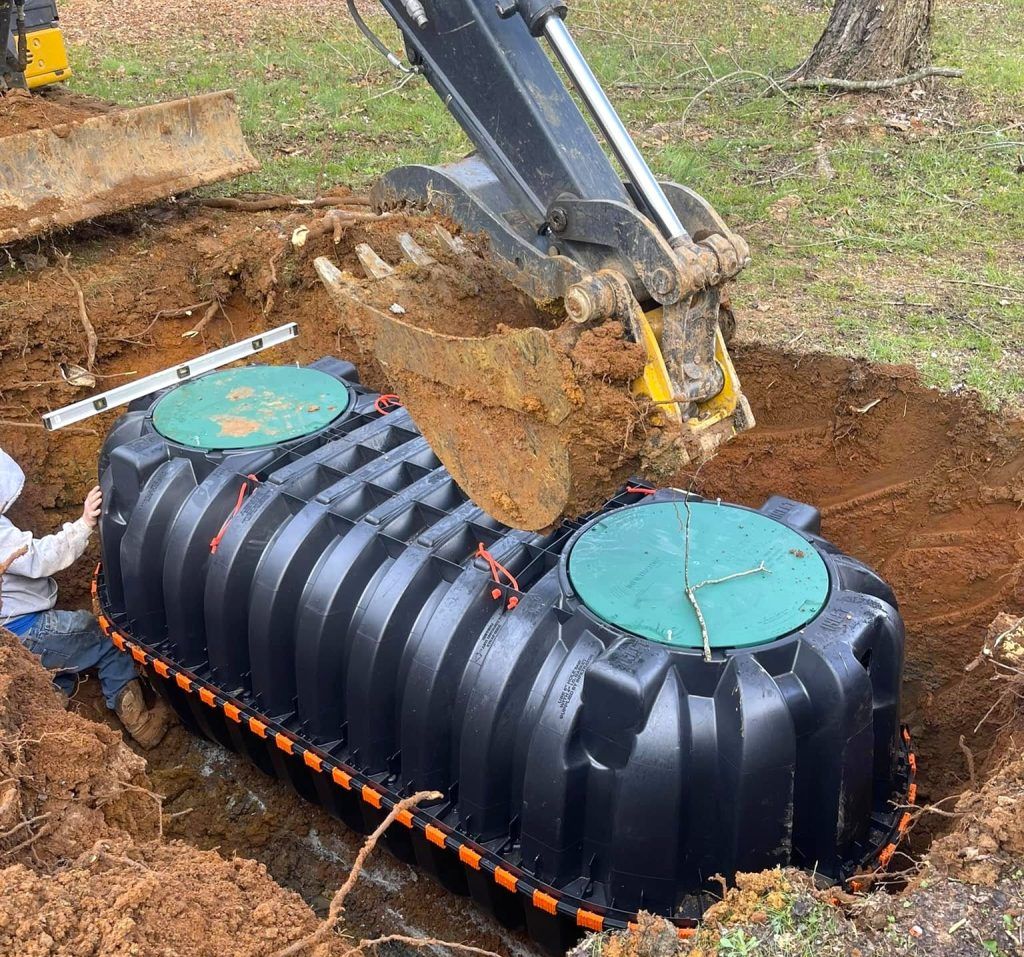
- Utility or septic areas
The contractor should explain where equipment will enter and whether any part of the lawn or surrounding property may be temporarily affected.
Remove the existing surface when necessary
If the project includes driveway replacement, the existing asphalt, concrete, gravel or other material must be removed as specified in the proposal.
The contractor should separate material that can remain from areas requiring deeper preparation. An older driveway may contain sections with different construction histories, especially if it has been widened or repaired over time.
Removal exposes conditions that were not visible during the initial evaluation. Buried concrete, weak fill or inconsistent base material can change the amount of preparation required.
If an unexpected condition affects the approved scope, the contractor should explain the finding and recommended solution before proceeding with additional work.
Complete excavation and subgrade preparation
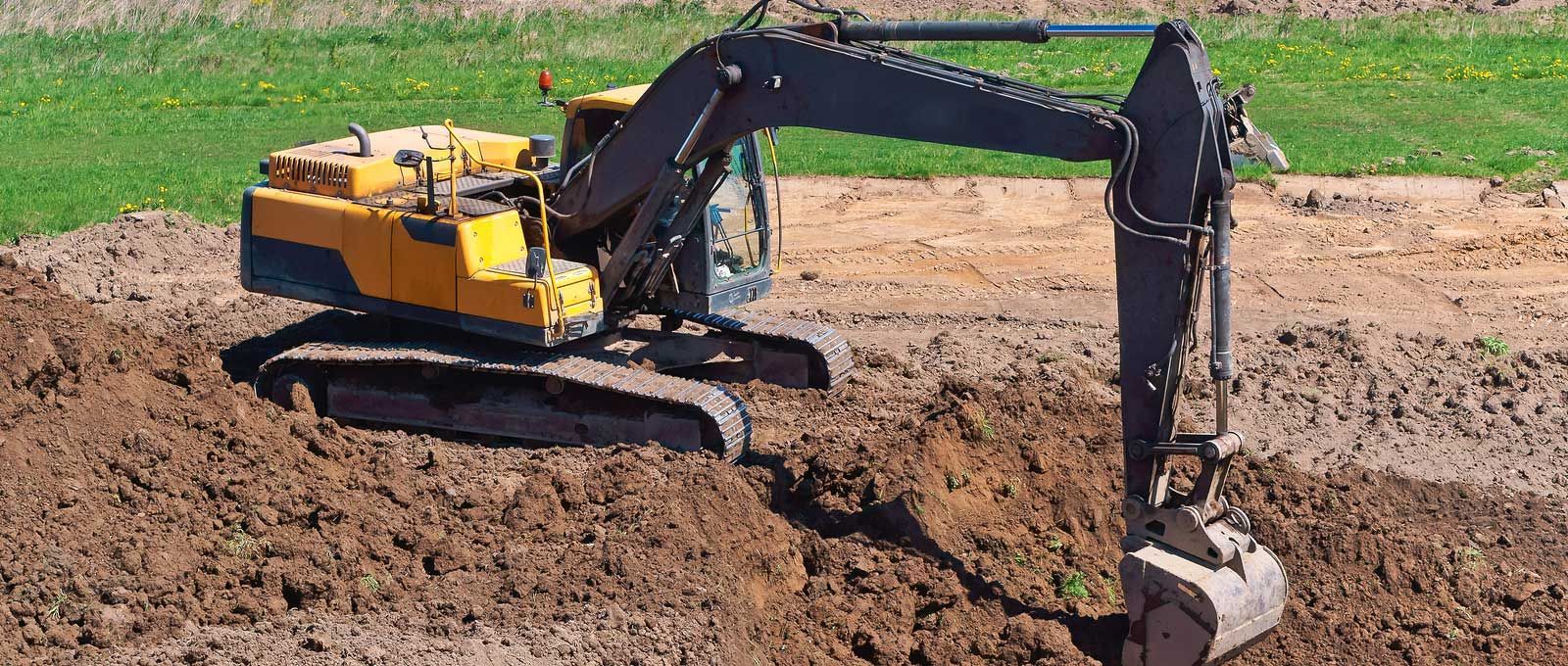
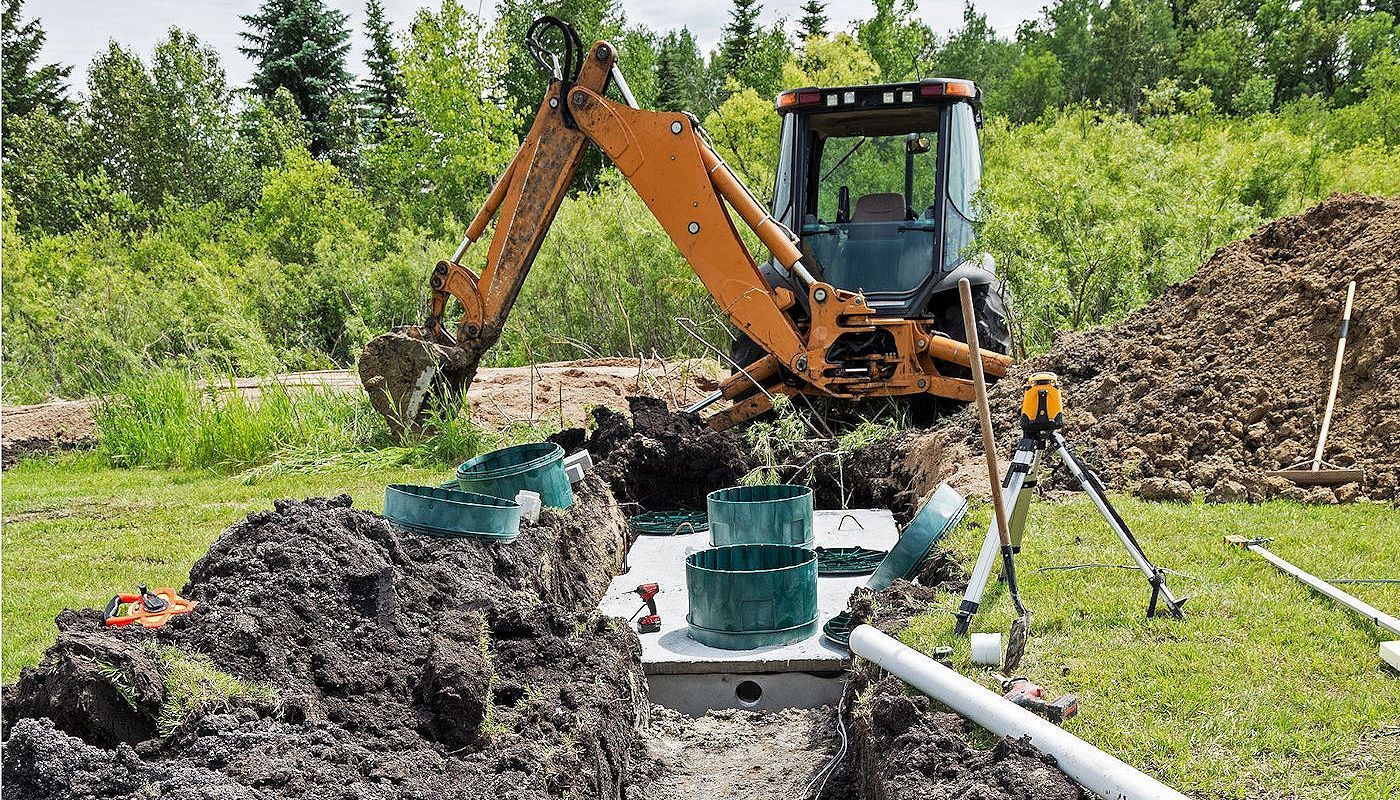
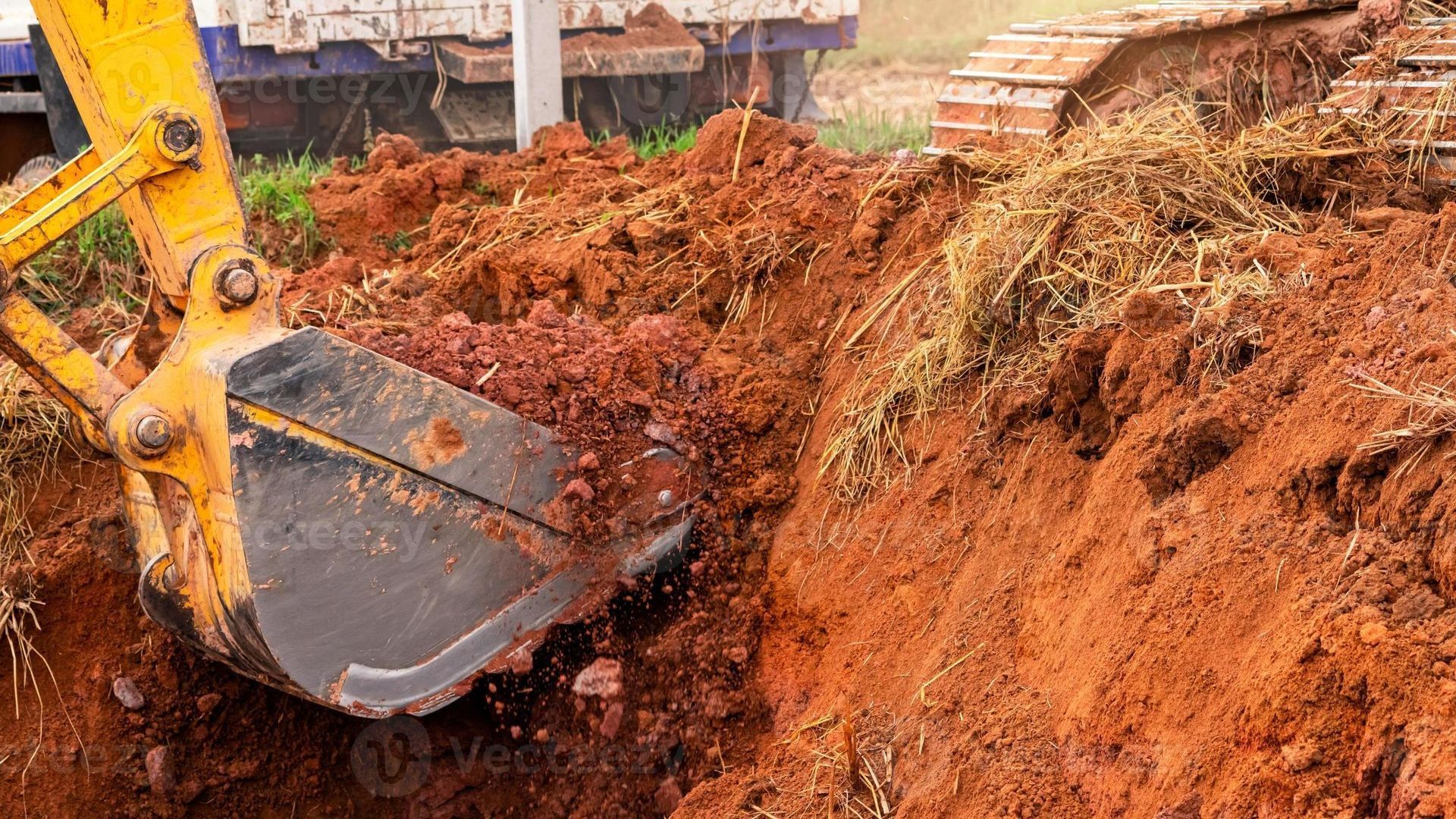
The crew excavates the driveway area to the depth required for the planned pavement structure.
After unsuitable material is removed, the subgrade is shaped and prepared. This ground layer must provide stable support for the aggregate base and asphalt above it.
Soft or wet areas may require additional attention. Installing pavement over unstable ground can contribute to settlement, movement or cracking.
The contractor should also confirm the planned elevations during this stage. The driveway must connect appropriately with the road, garage and adjoining surfaces while maintaining the intended drainage.
Install and compact the stone base
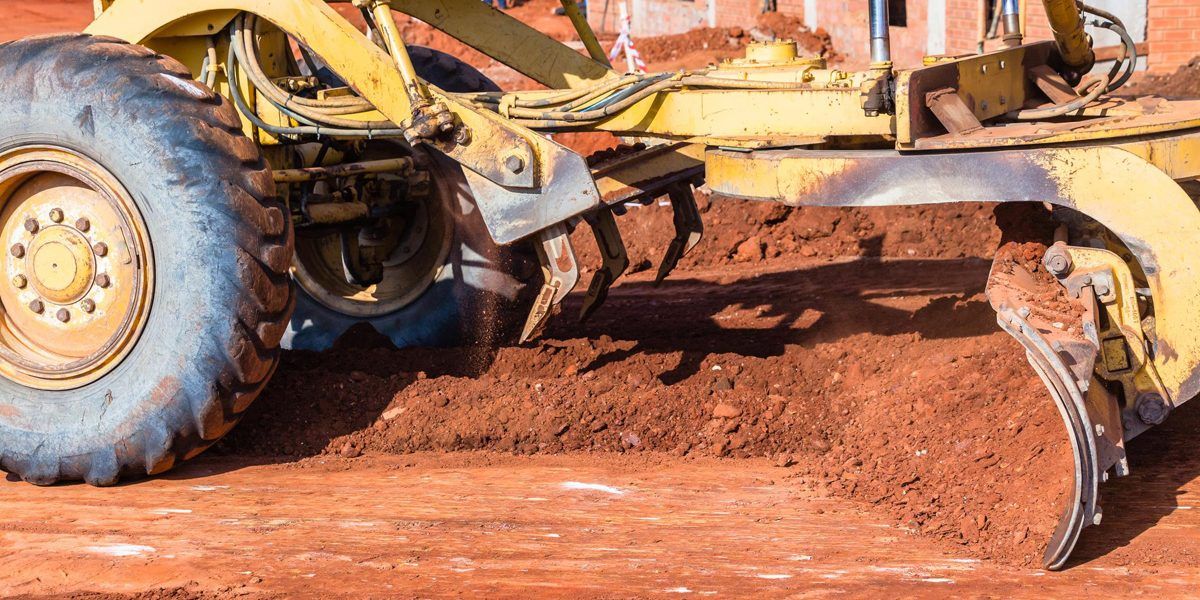
The stone base creates the foundation for the asphalt driveway. Aggregate is placed, graded and compacted to establish a stable surface with the required slope.
Compaction is essential because loose base material can settle unevenly under vehicle traffic. The appropriate base design depends on soil conditions, expected use and the project specifications.
C.M. Ayres provides stone base installation for paving projects requiring excavation, grading, aggregate placement and layered compaction.
Before asphalt is placed, the base should be evaluated for stability, elevations and drainage.
Allow for base adjustments when site conditions require them
Not every project moves directly from stone placement to asphalt installation.
If the base contains soft areas or does not meet the required grade, adjustments may be necessary. The crew may need to add, remove or recompact material before paving.
These corrections protect the finished surface from problems that would be more difficult to address after asphalt is installed.
The homeowner does not need to direct these technical decisions, but the contractor should communicate when a significant condition changes the original timeline or scope.
Install and compact the asphalt surface
After the foundation is prepared, asphalt can be delivered, placed and graded across the driveway.
The crew must coordinate delivery and installation so the material can be placed and compacted under suitable conditions. Heavy rollers or other compaction equipment create the density and smoothness required for the finished surface.
The asphalt must also follow the planned slope. Compaction should not eliminate the elevations needed to direct water properly.
Edges and transitions are finished as part of this stage. The contractor should pay particular attention to the garage, roadway and any areas connecting to existing pavement.
Finish the edges and adjoining areas
A driveway’s edges need appropriate support. Unsupported asphalt can be vulnerable when vehicles repeatedly travel close to the perimeter.
The project scope should explain how the edges will be finished and whether surrounding soil, aggregate, borders or other materials will provide support.
Areas disturbed during excavation and equipment movement should also be reviewed. Confirm whether cleanup and basic restoration are included and whether additional landscaping will be completed separately.
If decorative borders are planned, their alignment and transitions should match the approved layout.
Follow the contractor’s initial-use instructions
Fresh asphalt requires an initial period of care. The contractor should explain when vehicles can return and whether any temporary restrictions apply.
Avoid assuming that the driveway can be used immediately because the surface appears firm. Temperature, pavement design and project conditions can affect the guidance.
Once normal use begins, avoid concentrating heavy loads in one small area without discussing them with the contractor. Sharp turning movements while a vehicle is stationary can also place stress on newer asphalt.
Keep the contractor’s instructions with the final project documents so everyone using the property understands the recommendations.
Complete a final project review
Before closing the project, compare the completed driveway with the approved proposal.
Confirm that the overall dimensions, transitions, edges and included borders match the agreed scope. Ask the contractor to explain how the final grading directs water.
The contractor should also review maintenance recommendations and clarify when any future protective services may be appropriate. A new driveway does not generally receive every maintenance treatment immediately.
Retain the estimate, approved changes, invoice and care information. These records can be useful when planning future maintenance or other property improvements.
How residential driveway planning differs from parking lot work
Residential and commercial paving share important construction principles, but their planning priorities are different.
A residential driveway is typically designed around household vehicles, garage access, parking and property drainage. A commercial parking lot may need to support more frequent traffic, deliveries, designated parking, pedestrian routes and pavement markings.
Commercial projects may also require phased work so portions of the property remain accessible. Vehicle load and turning patterns can influence the pavement design and base preparation.
Property owners planning a larger paved area can review C.M. Ayres’ commercial asphalt paving services for parking lots, access roads and other high-use surfaces.
Plan the driveway around future property improvements
Tell the contractor if you expect to add a garage, gate, walkway, parking area or other exterior improvement later.
A new structure could change how vehicles travel across the property or where water needs to move. Planning for those possibilities can prevent the new driveway from limiting future work.
Some homeowners may also choose to divide the project into phases. If so, the contractor should explain how the initial section will connect with a future extension.
A clear long-term layout helps each phase feel intentional rather than added without considering previous work.
Plan your Towson driveway installation with C.M. Ayres
A successful driveway installation begins with the conditions beneath and around the asphalt. Layout, drainage, subgrade preparation, stone base, compaction and access all contribute to the completed surface.
C.M. Ayres provides asphalt driveway installation and residential paving services for Towson and surrounding Baltimore County communities. Each project begins with a property evaluation and an estimate based on the required preparation and intended use.
Request a free estimate from C.M. Ayres
Related driveway and paving resources
- Residential asphalt paving services
- Asphalt driveway installation
- Stone base installation
- Pavement consultation services
- Commercial asphalt paving
- Why driveway grading and drainage matter before paving